




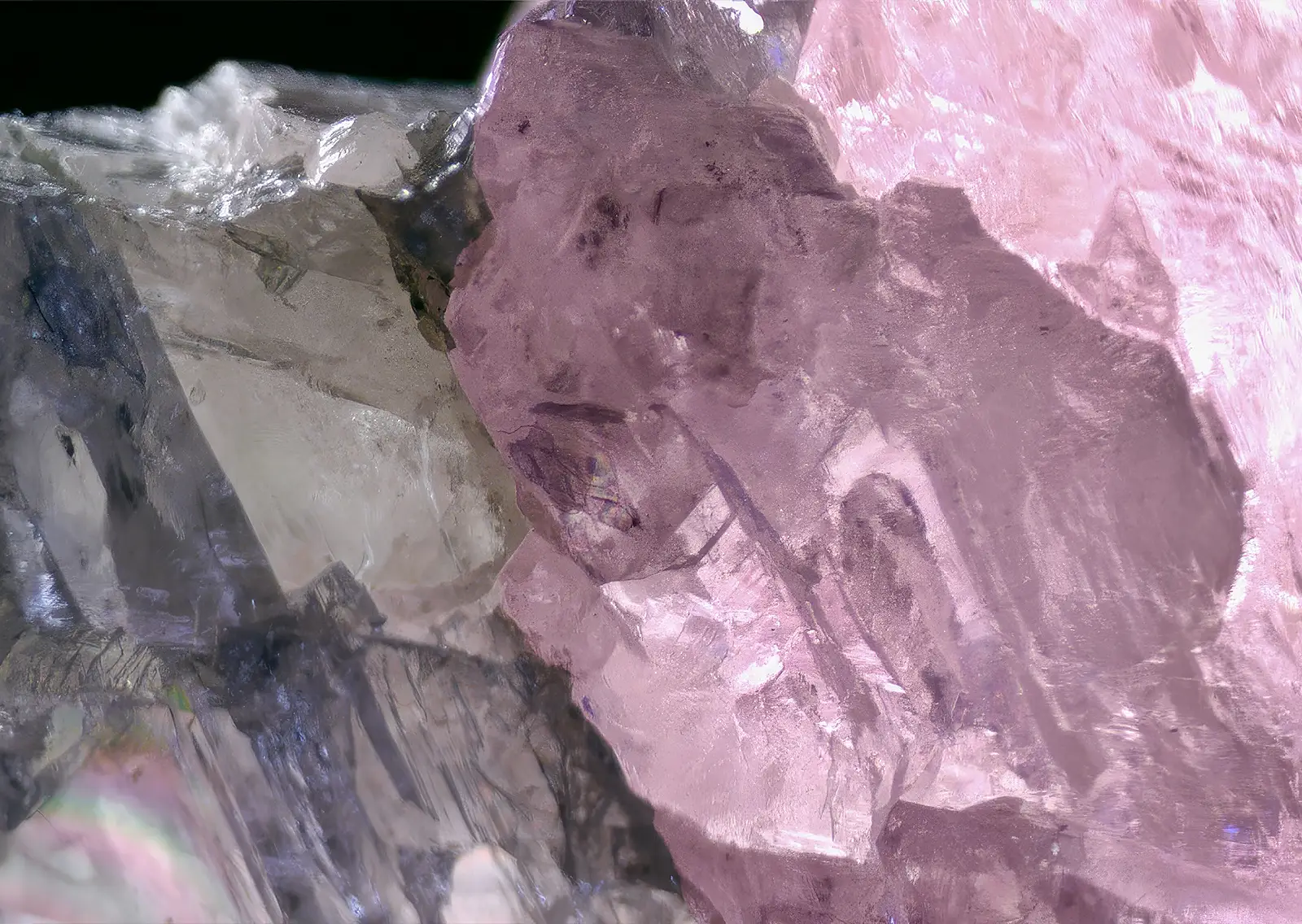
A uniquely colored diamond specimen has been unearthed at the Karowe mine in Botswana, Africa. It’s of exceptional size (37.4 cts) and bicolor, with one pink and one colorless part. A distinct color border is observed, which is unusual for stones of such a size.
The unique color is caused by the extreme geological influences called “plasticity deformation”. Gemology expert Sally Eaton from the laboratory in Carlsbad believes the pink section was most likely originally without a color. The gemstone was under great pressure for millions of years during mountain building, which formed a crystalline lattice and the pink-coloring effect. However, the white section was formed many years later under more favorable conditions.

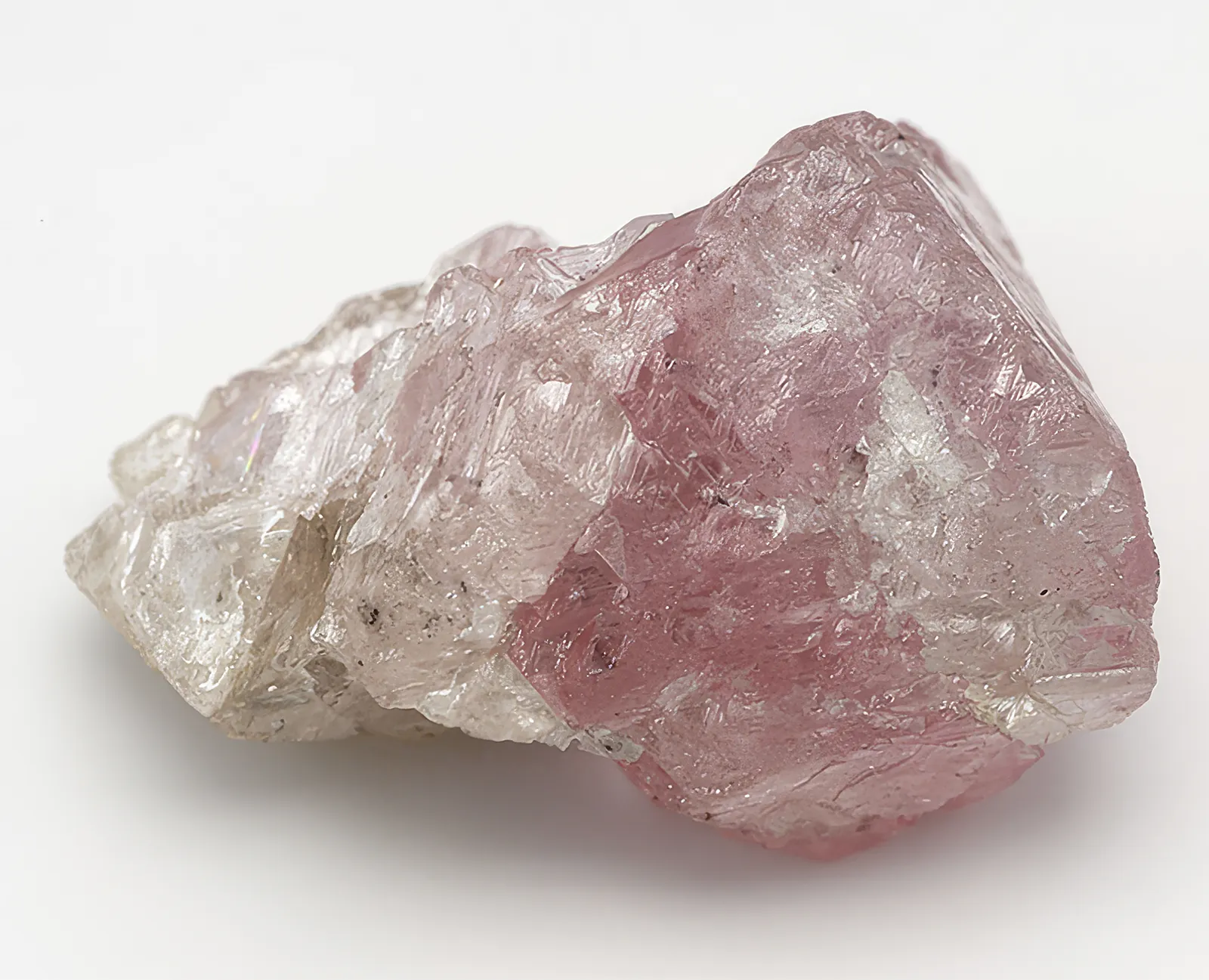
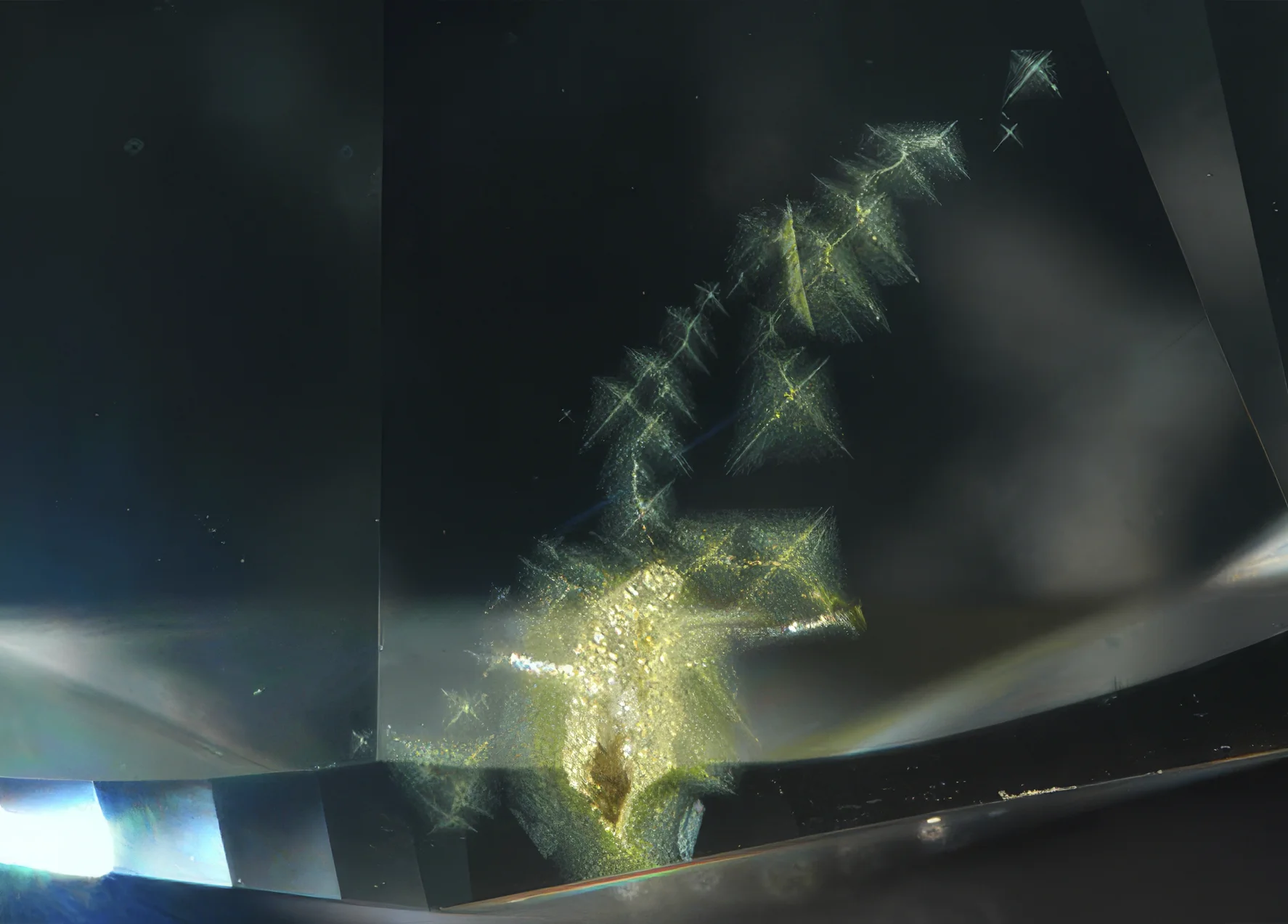
Photo courtesy of GIA.
Scientists from GIA believe gemstones are sort of “organic archives” telling the story of what happened over billions of years. Sally Eaton says their structure may tell a lot about the conditions inside the planet’s crust, such as the immense pressures and temperatures under which the gems were formed.
The GIA says these unusual stone hues provide more information about the distribution of pink diamonds, which helps scientists better understand the geological processes that influence the gem color.
Similar bicolor specimens were found and analyzed before, but mostly in Australia, and they were at least 15 times smaller than the recently discovered one. Currently the Karowe mine is run by Lucara Diamond Corporation and has famously brought some of the rarest diamonds ever mined.
To name just a few such discoveries, let’s remember the 2,449.5-ct giant Motsvedi and the 63.46-ct Boitumello (a purely pink gem of type IIa). As of now, almost 10 diamonds over 1,000 cts were sourced here, for example, a white diamond weighing 1,020.5 cts found several years ago. Of course, it’s hard to imagine someone wearing a custom pendant or any other jewelry with that size of diamond in a single piece. Therefore, such giants are often reserved for exhibitions or are used for making whole sets of exclusive jewelry.
The Olertis team hopes to hear about more astounding stone discoveries in the future. Do you want to know what the next unusual gem will be? Stay tuned with Olertis and the official GIA website to find out!