

A Divergence Is Emerging in the Platinum Market
While the overall demand for platinum jewelry weakens in 2026, one area of the industry is headed in the opposite direction.
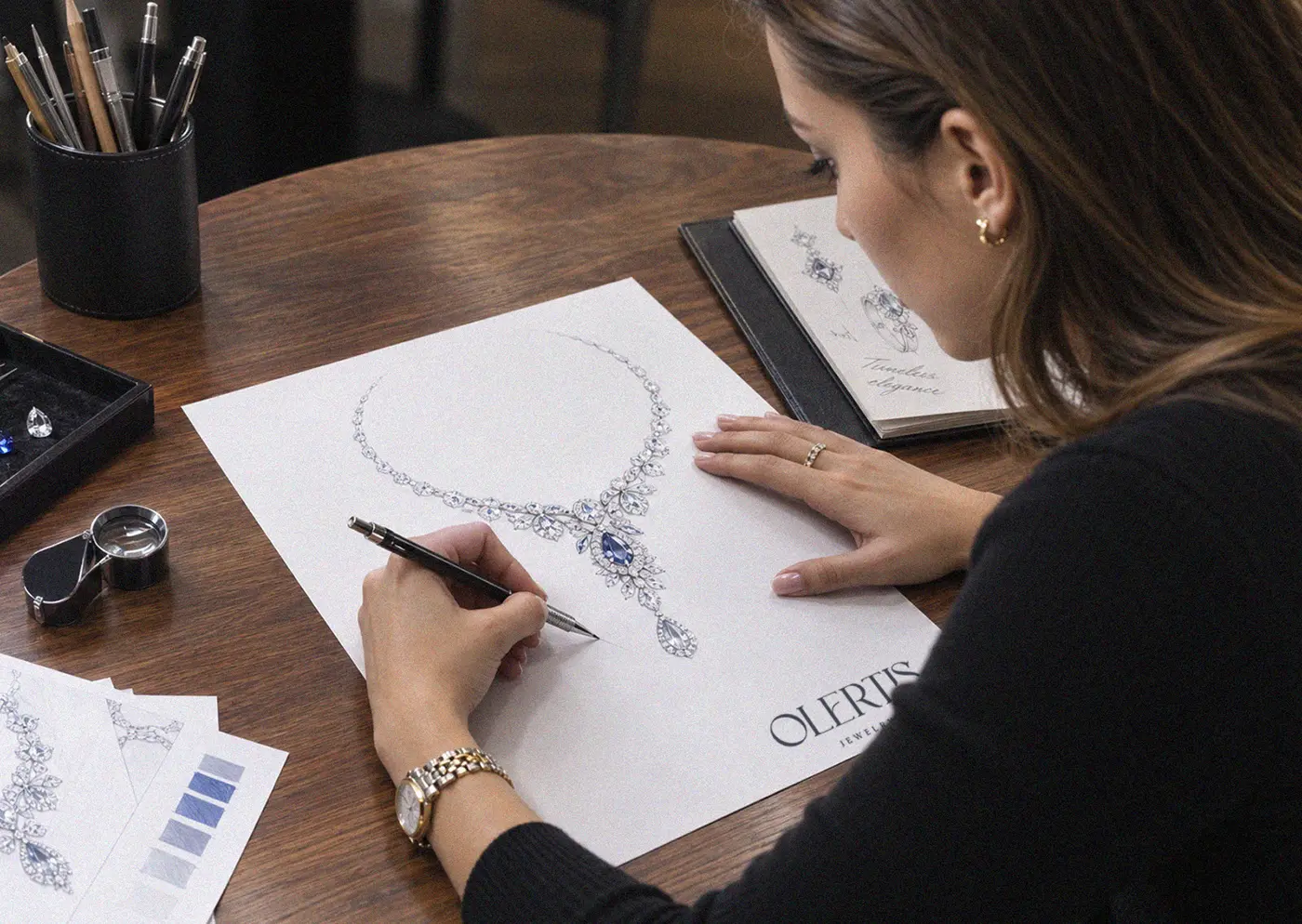
The World Platinum Investment Council (WPIC) anticipates that the demand for platinum jewelry globally will decrease by 12 percent in 2026. Similarly, demand for platinum jewelry in North America is anticipated to decrease by 7 percent. However, according to Olertis, custom platinum jewelry orders increased 8 percent during the first six months of 2026 versus the first six months of 2025.
The numbers don’t compare exactly. The WPIC number refers to the wider platinum jewelry market. The Olertis number refers to custom-made items ordered from a single U.S. jewelry studio. Although both are related, they represent two different areas of the industry. Nonetheless, the comparison highlights a potentially important shift in where platinum demand will hold up.
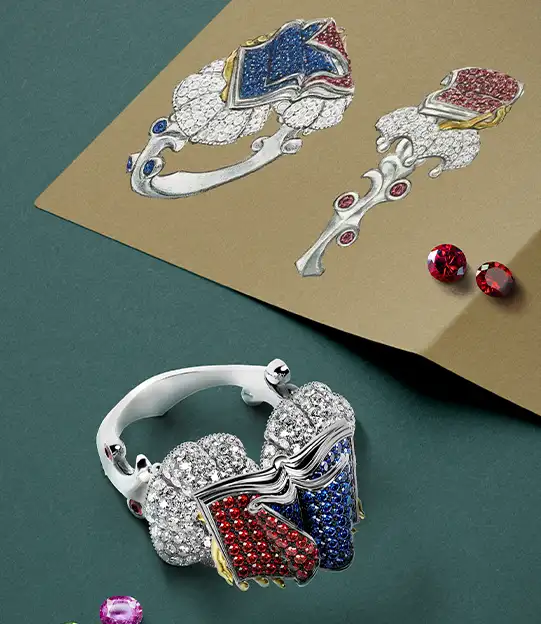
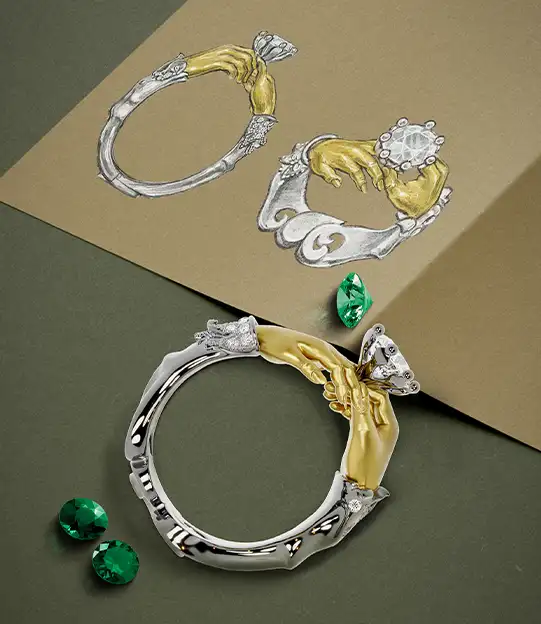
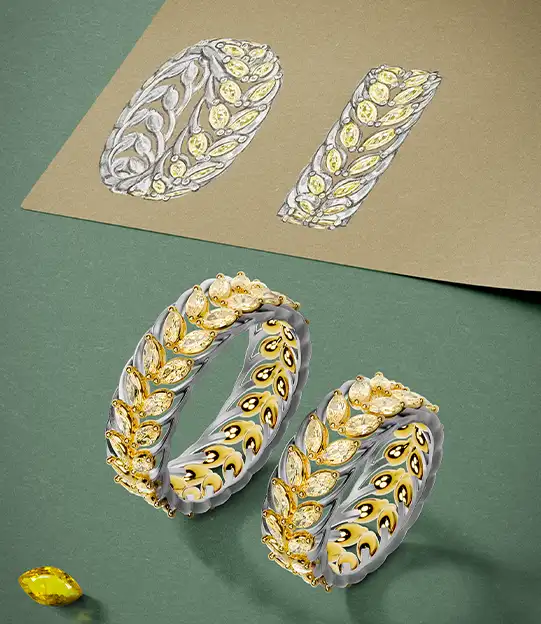
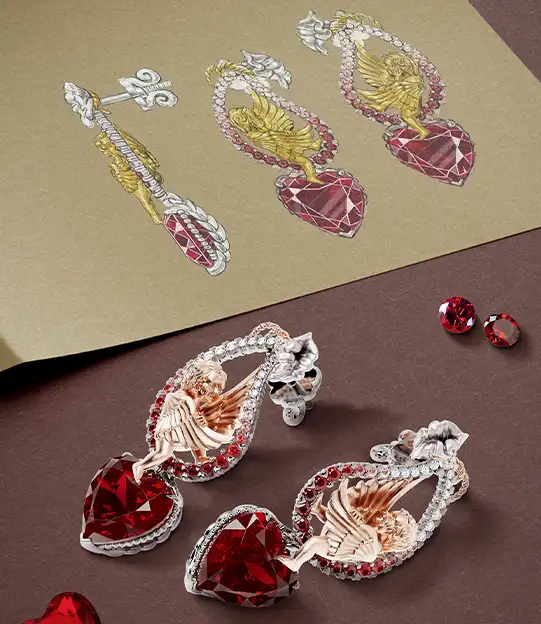
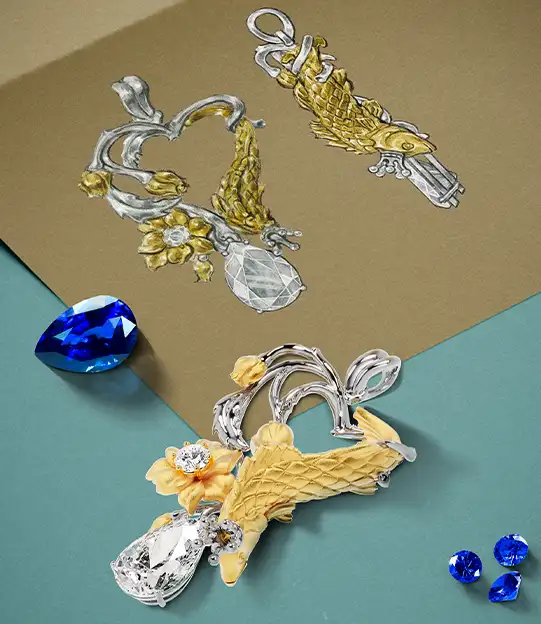
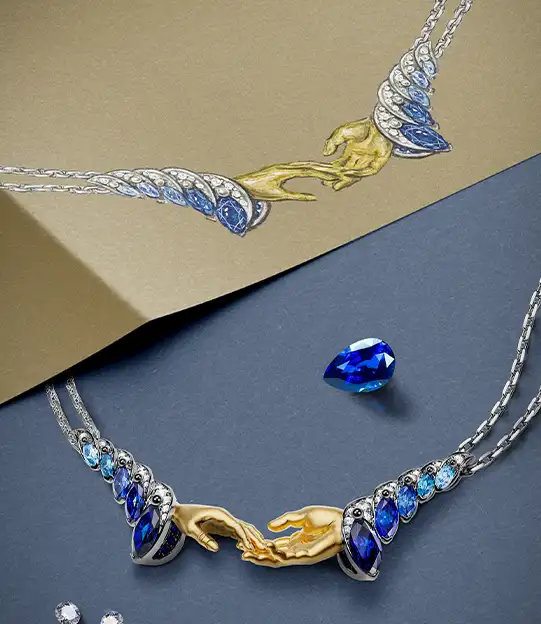
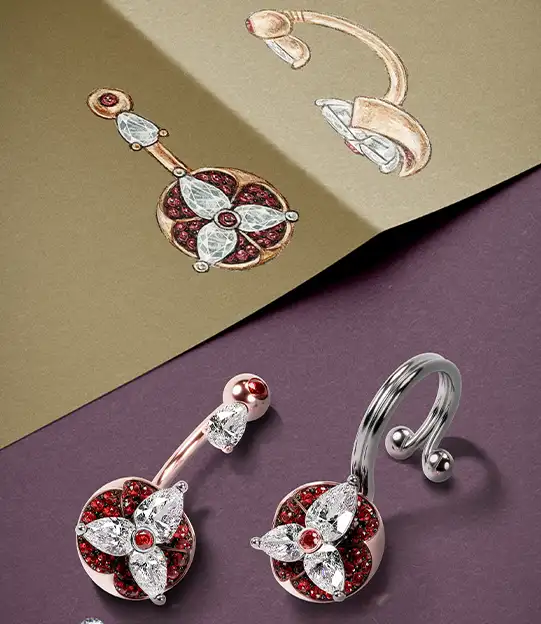
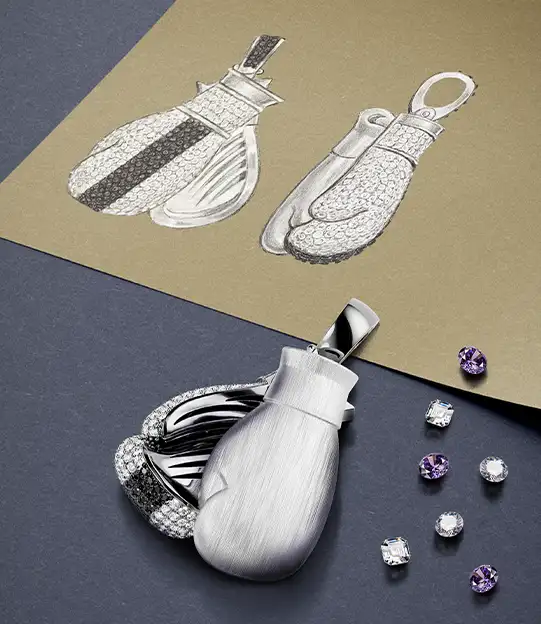
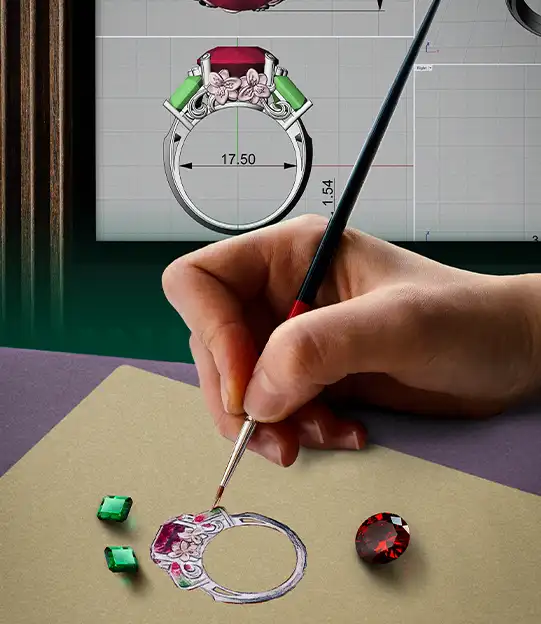
Rather than being about making platinum more available or more affordable, the difference may be more about what customers ask their jewelers to make. Custom-made jewelry begins with a specific design concept, allowing the materials’ physical characteristics to play a more direct role in the design.
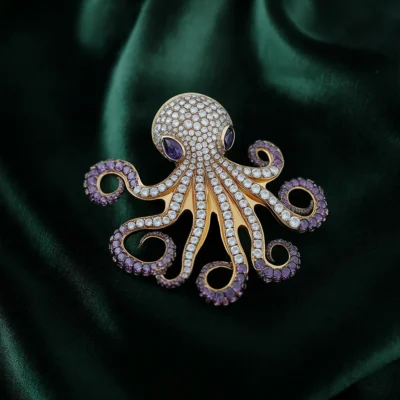
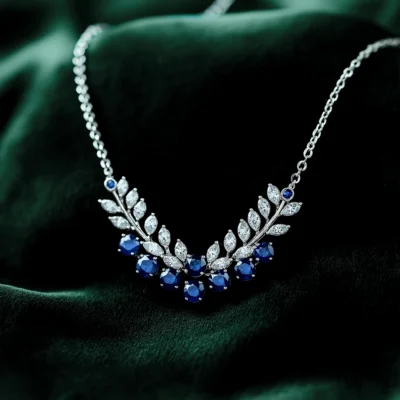
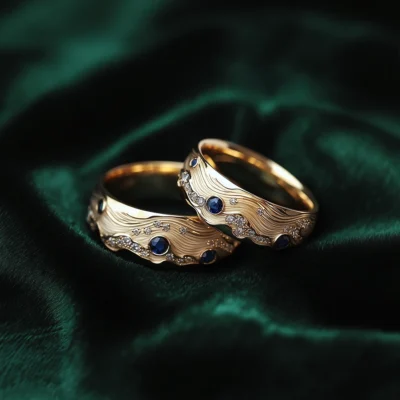
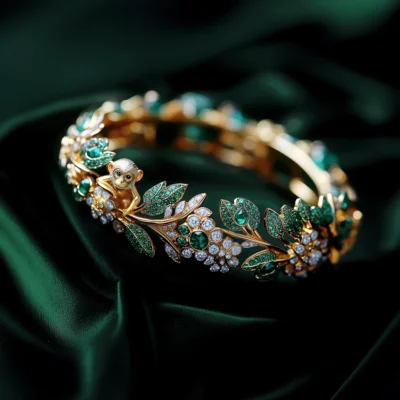
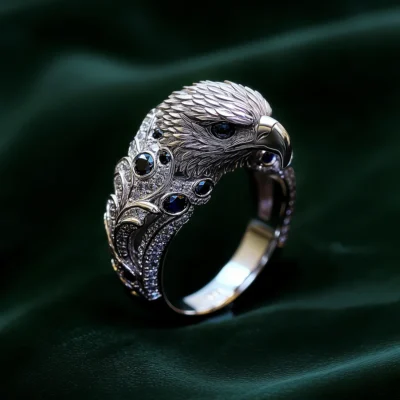
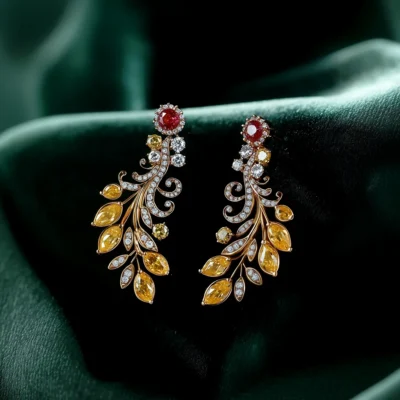
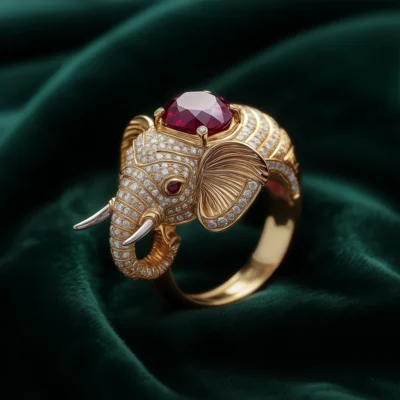
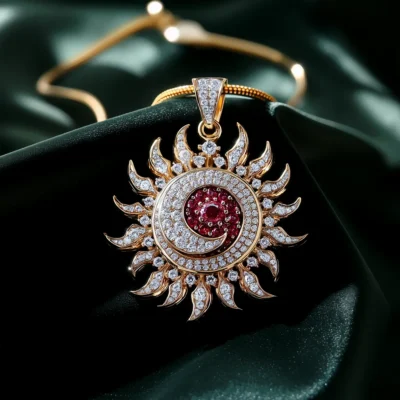
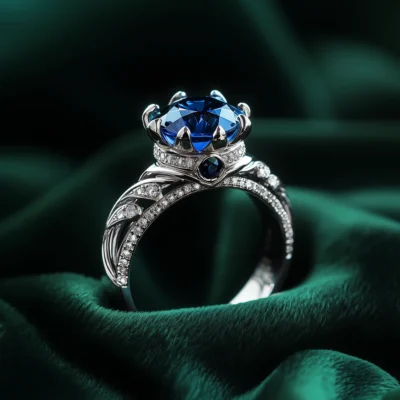
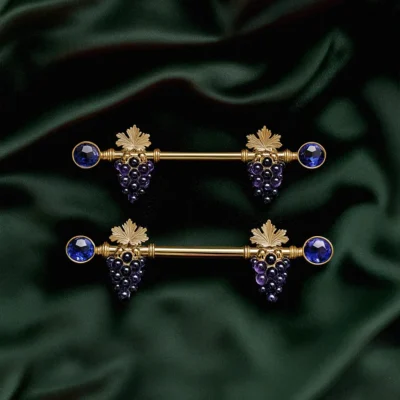
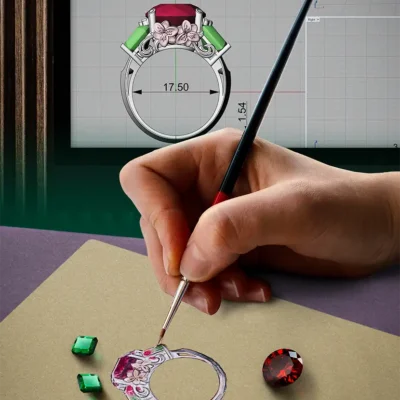
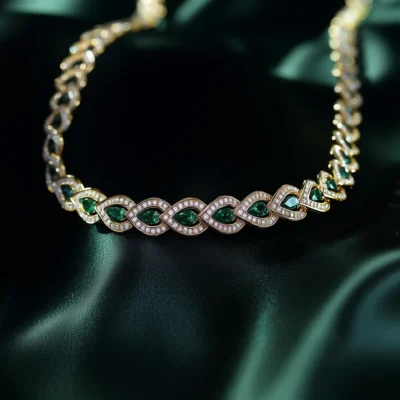
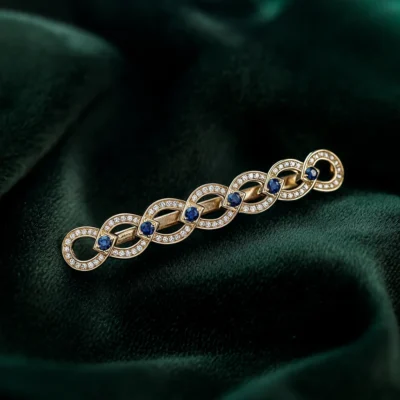
How Platinum’s Properties Shape Custom Jewelry Design
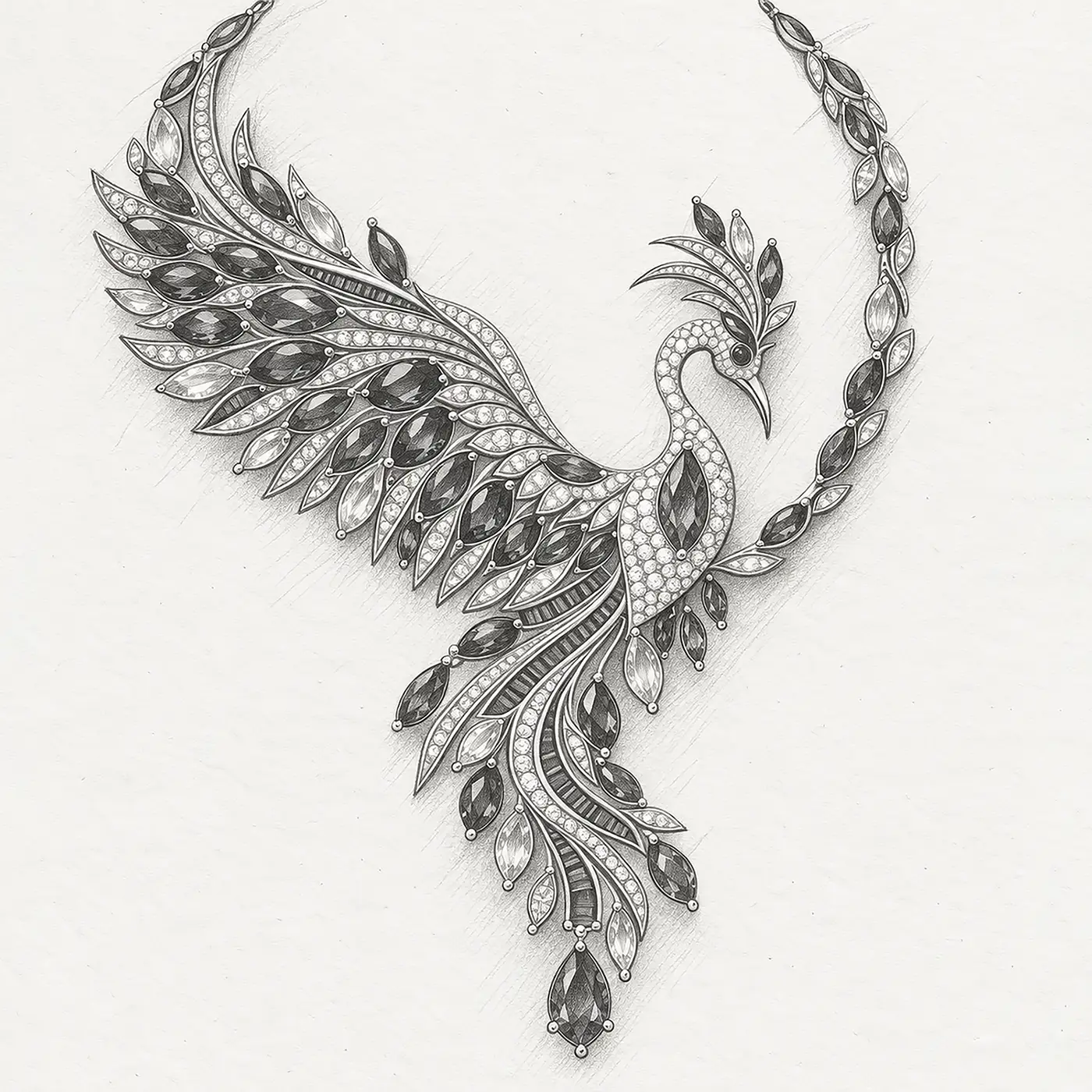
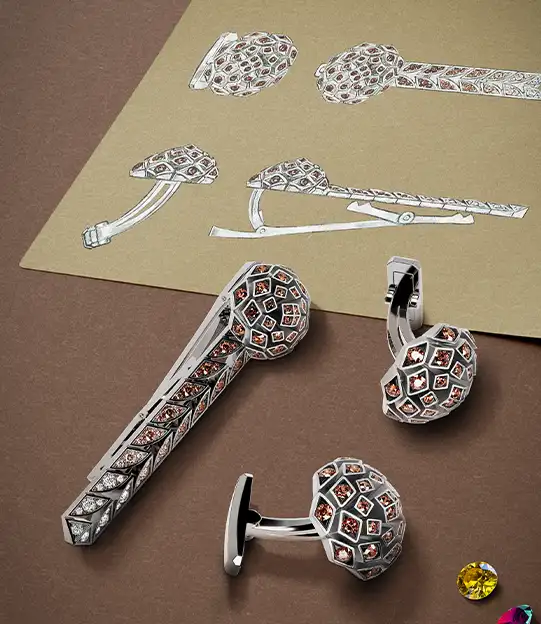
One of the key attributes of platinum is weight. Because platinum is denser than gold alloys, a similarly sized piece made from platinum has more weight. With custom jewelry, this characteristic becomes part of how the design looks and feels rather than just a technical attribute.
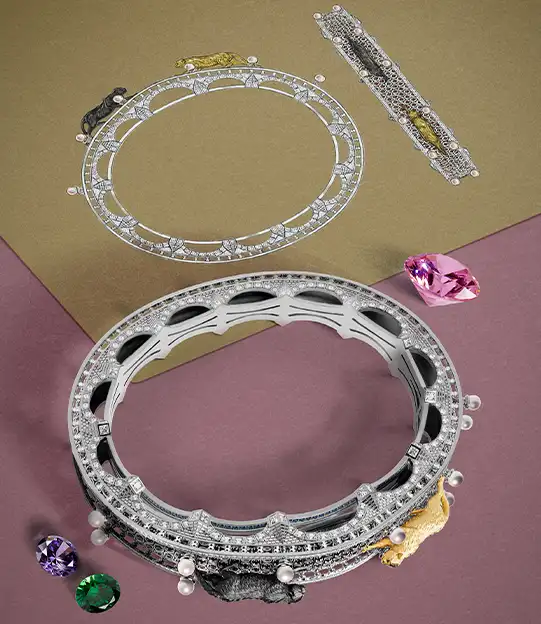
As consumers begin to commission custom designs that include larger forms and sculptural silhouettes, as well as stronger proportions, substantial custom pieces can provide a deliberate feeling of solidity. Since the customer is designing an object, this feeling of solidity can be incorporated into the initial plan.
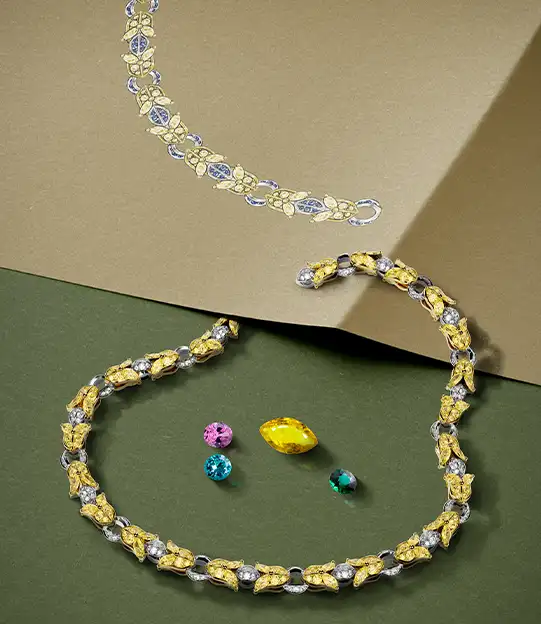
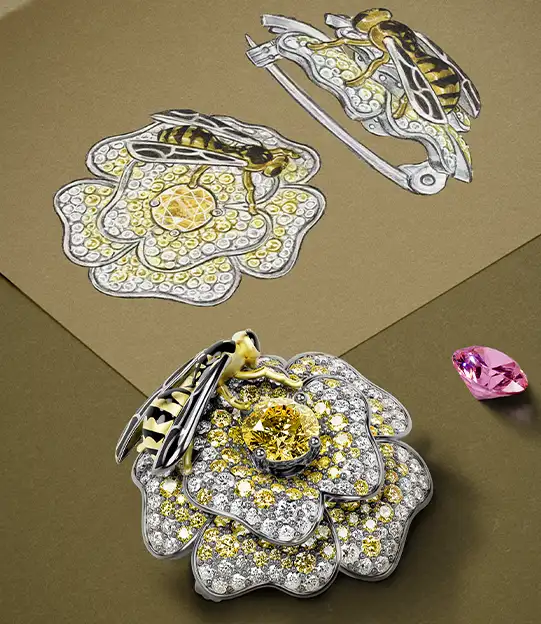
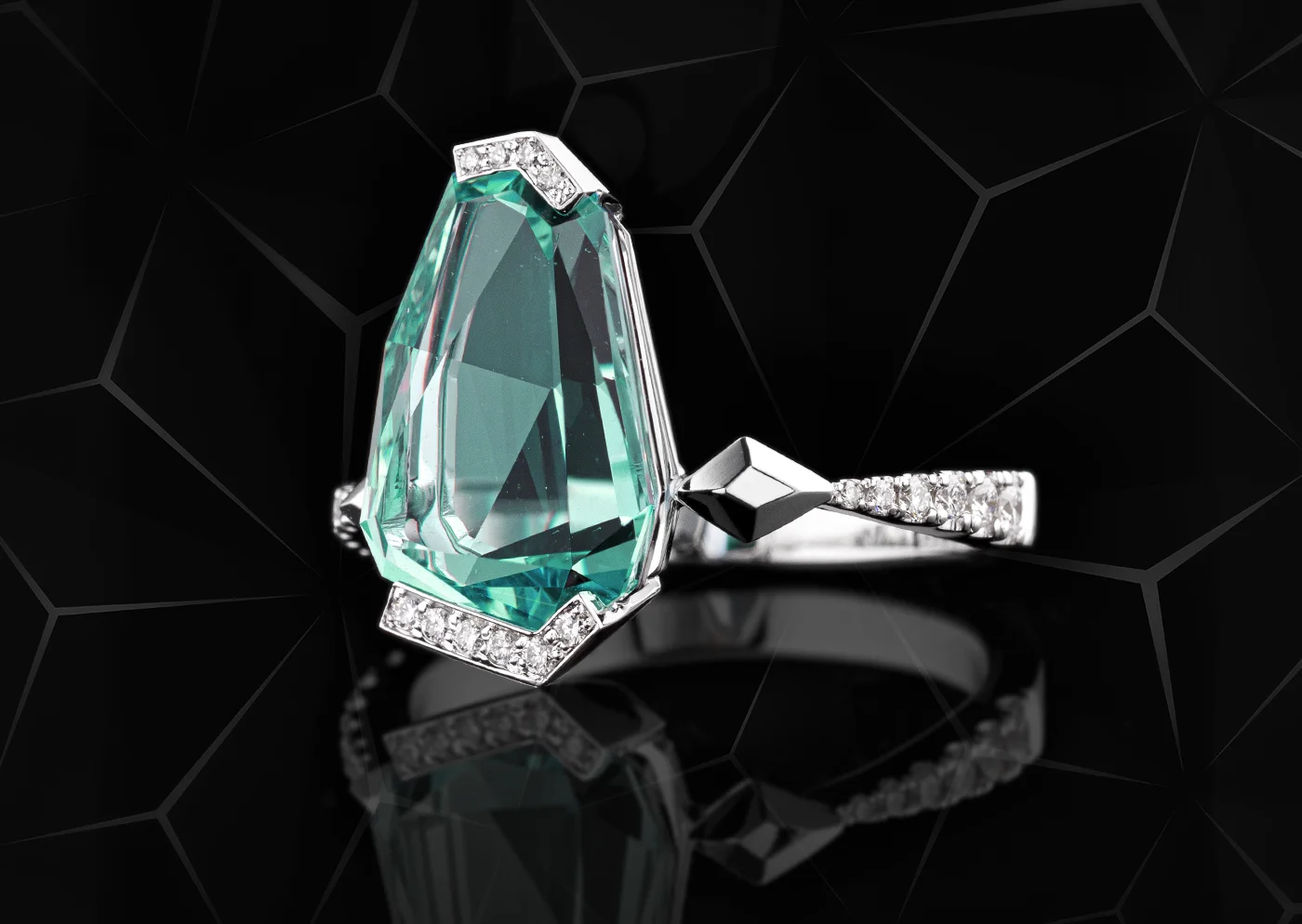
In addition, platinum provides a natural white color, allowing the customer to see the metal as part of the desired appearance. This aspect is most important when creating a clean, continuous look around diamonds or colored gemstones.
These qualities may help explain why platinum is gaining traction in Olertis’ custom orders even as the overall category decreases in terms of demand. Consumers are using platinum as part of their custom design process, not simply as a choice off the retail shelf. As such, the consumer is ordering a product in which the metal can impact both the size and weight, and ultimately the character of the completed product.
Olertis says it expects demand for its custom platinum jewelry to continue increasing in 2027. If that continues, its custom order data could offer an early indication that platinum’s strongest growth opportunity may be emerging not throughout all areas of jewelry production, but specifically within the increasingly personalized custom segment.