
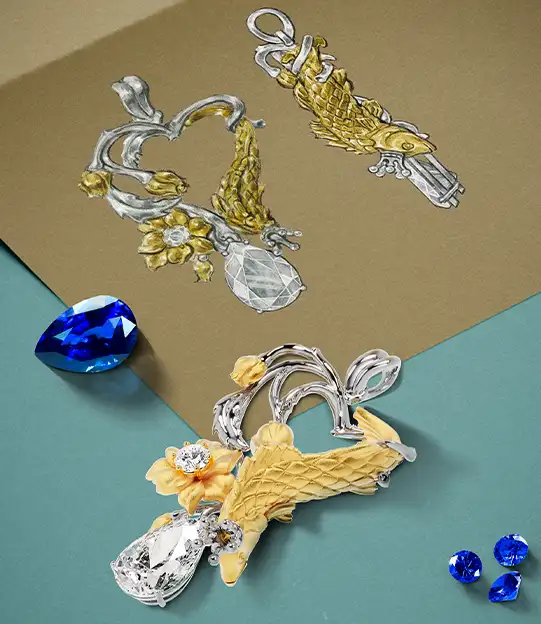
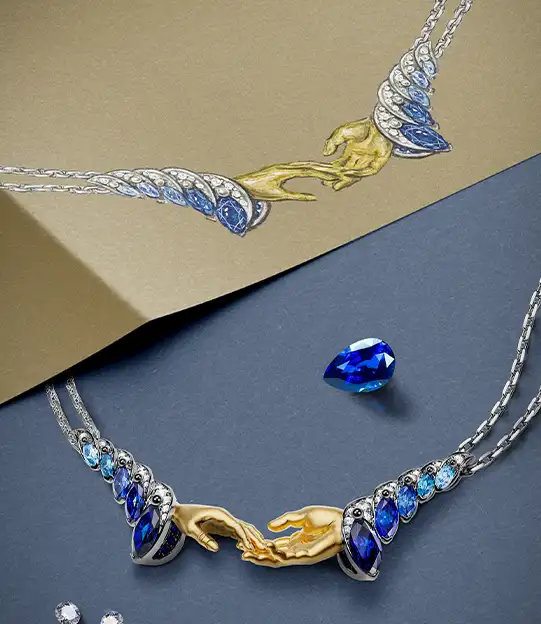
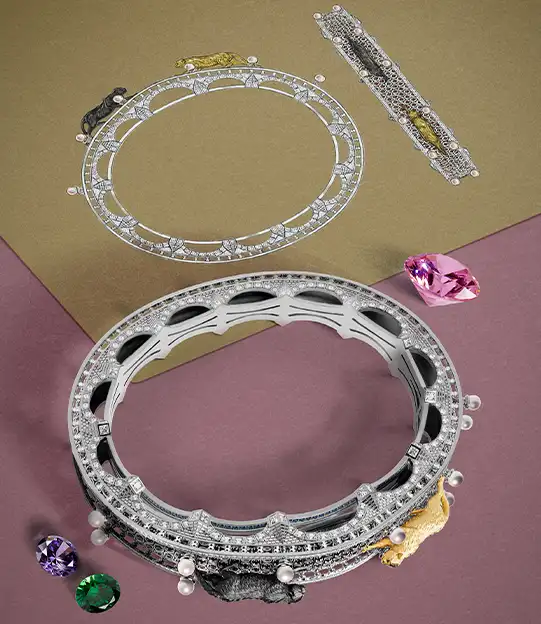
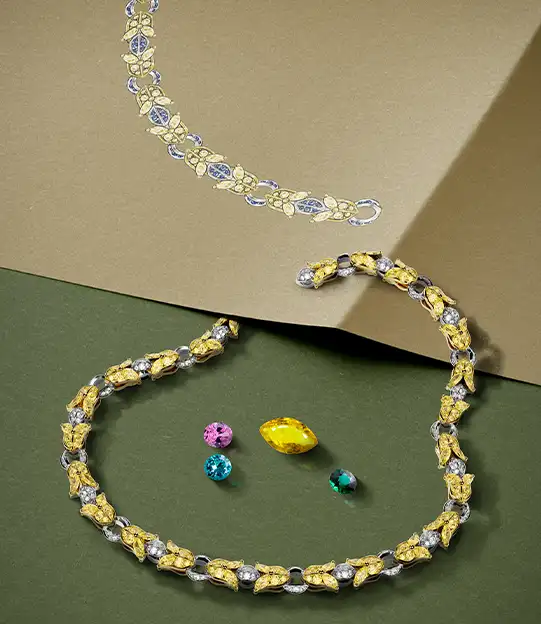
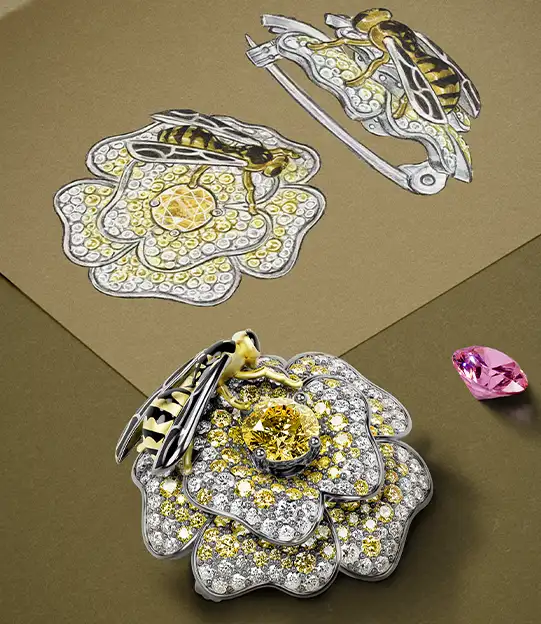
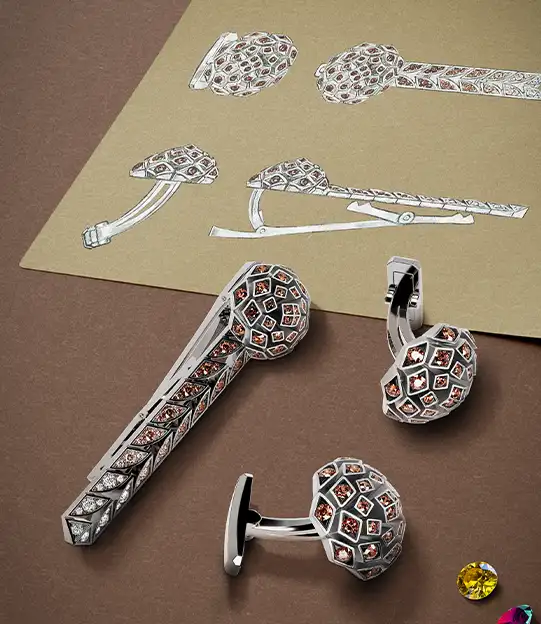
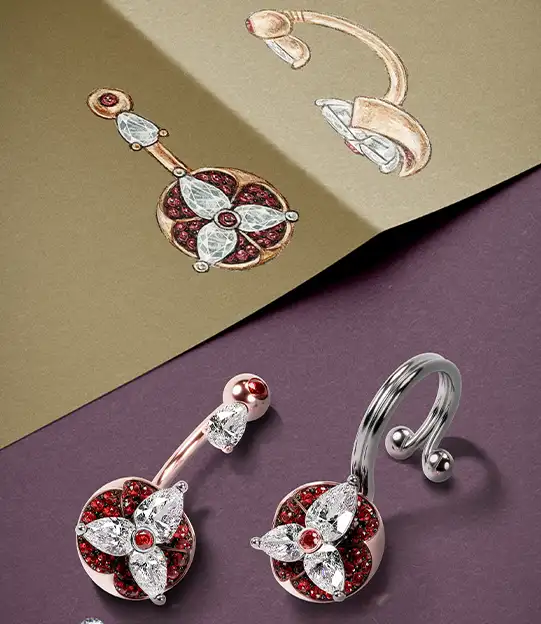
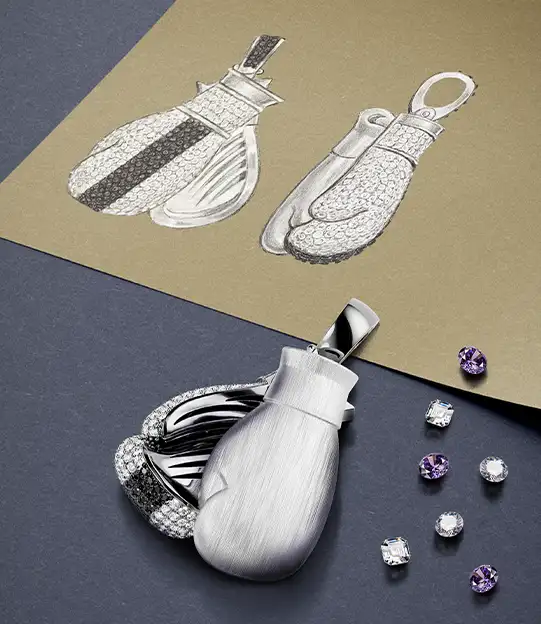
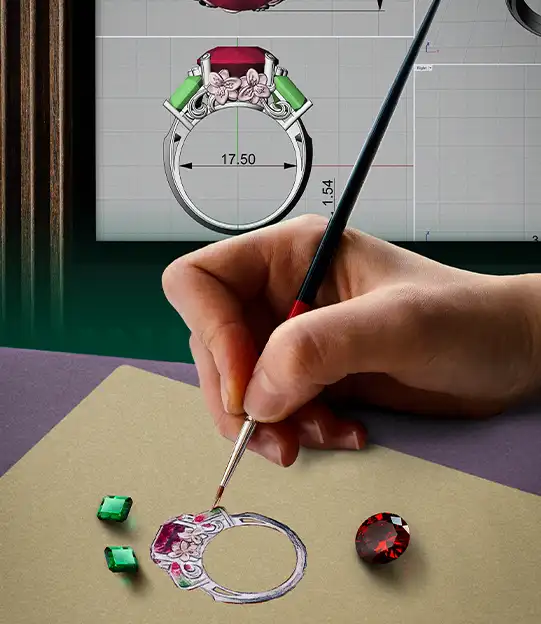


If you think you know everything on how to store your gemstones, you may as well be right. But many people can’t begin to understand that stones are gentle creatures deep within, even in spite of their hard exterior. In this small guide, we have prepared a list of just a few physical factors that may damage your gemstones, leaving them cracked, chipped, corroded, or faded in color.
Sunlight
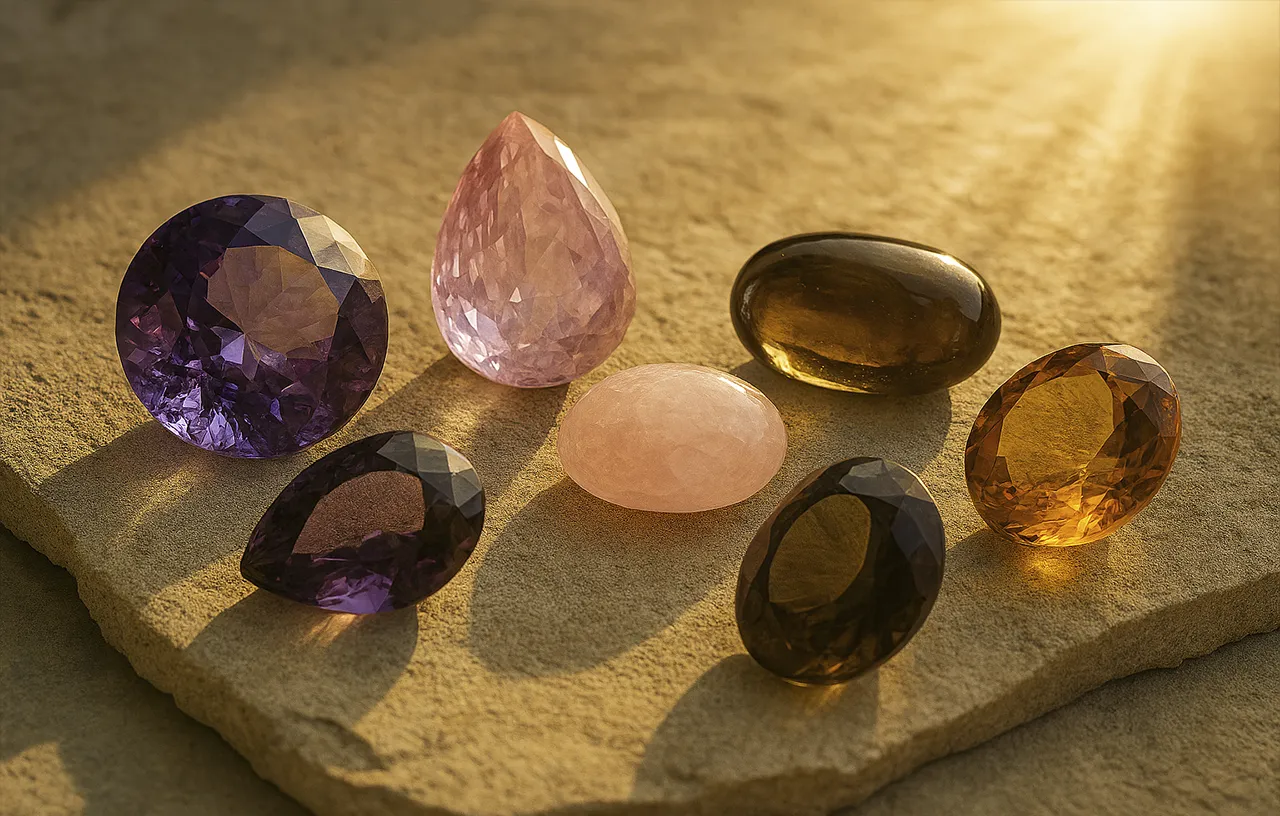
On the surface of things, it might seem like sunlight enhances beauty. Jewelry sparkles and shimmers in its rays, creating an illusion of magic. However, when you’re done wearing it and it comes to storing it, avoid direct sunlight. Amethyst, kunzite, rose quartz, and smoky quartz are particularly sensitive to long-term ultraviolet radiation. They may fade with such exposure. Amber darkens and may even crack in the weakest places. Topaz may lose its luster. A box lined in soft cloth kept in a cool, dark place away from windows is ideal for storing custom pendants and other pieces from these stones.
Water
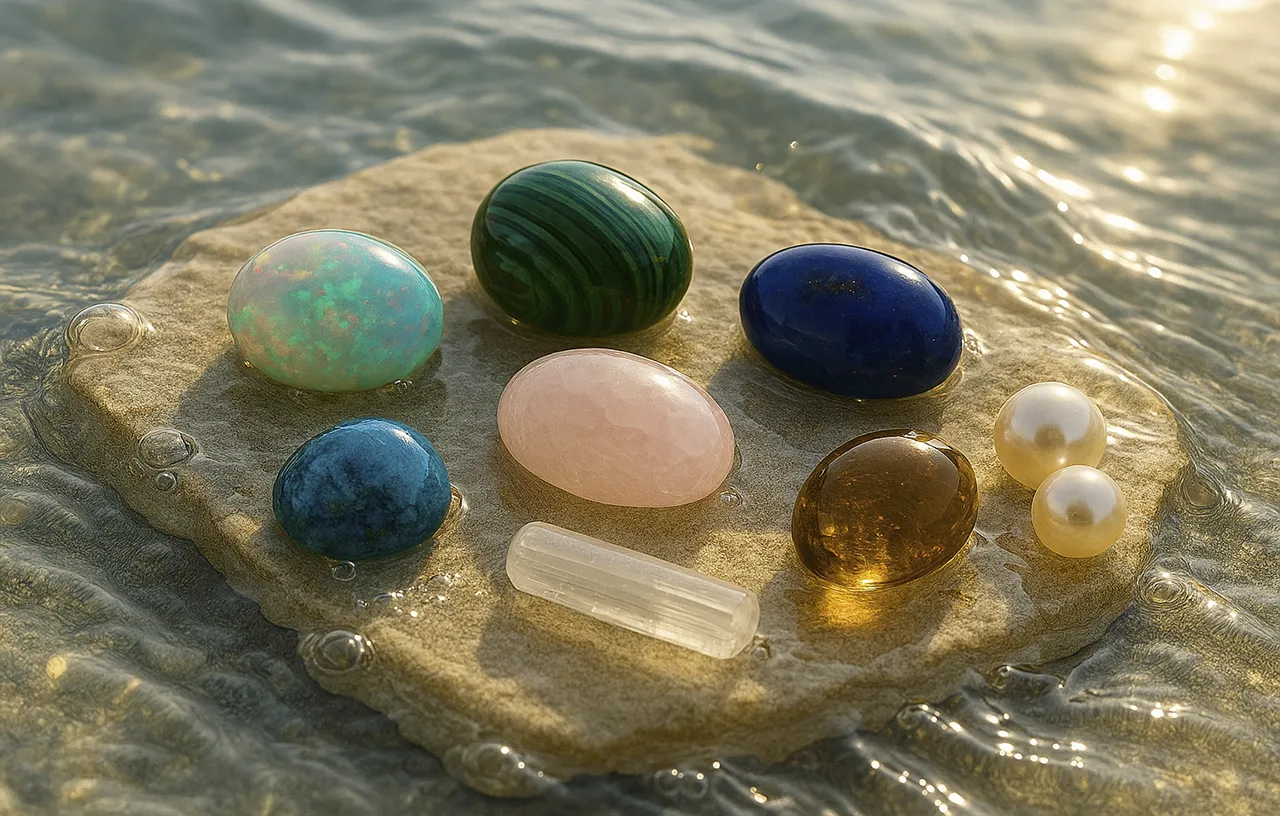
It can damage porous and absorbent gemstones. Opal is especially sensitive due to such a structure. Excess moisture sometimes causes cracking and color fade in fire opals. Turquoise, malachite, lapis lazuli, and selenite can absorb water, oils, and perfume. So be especially careful not to use any additional cosmetics and chemicals around these stones. Pearls can lose their luster when wet (the effect will subside once they are dry). Thus, avoid using them in the shower, swimming pool, or any other humid environment. Harsh cleaning products are also not suitable, be it for river or sea pearls. It’s better to wipe them out with a dry or damp soft cloth.
Temperature and heat fluctuations
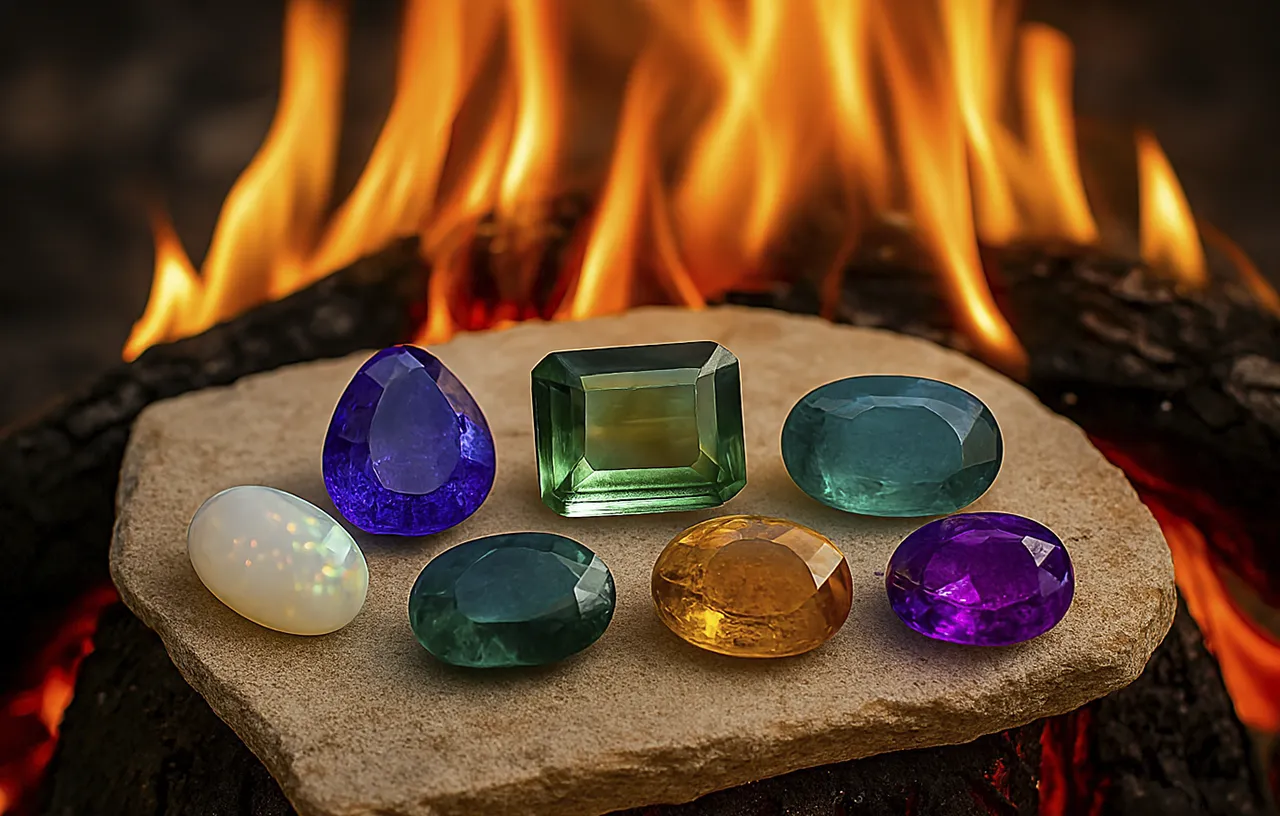
They can cause cracking, color loss, and structural changes in gemstones. Opals may develop internal cracks in case of sudden temperature fluctuations. Heat might cause brittleness and loss of color in tanzanite, fluorite, apatite, and some other minerals. Also, high temperatures poorly affect citrine and amethyst, causing them to change color. To avoid this, store jewelry away from heat sources such as driers, radiators, fans, stoves, etc. Dry at the room temperature after cleaning with gentle care.

Chemicals and cosmetics
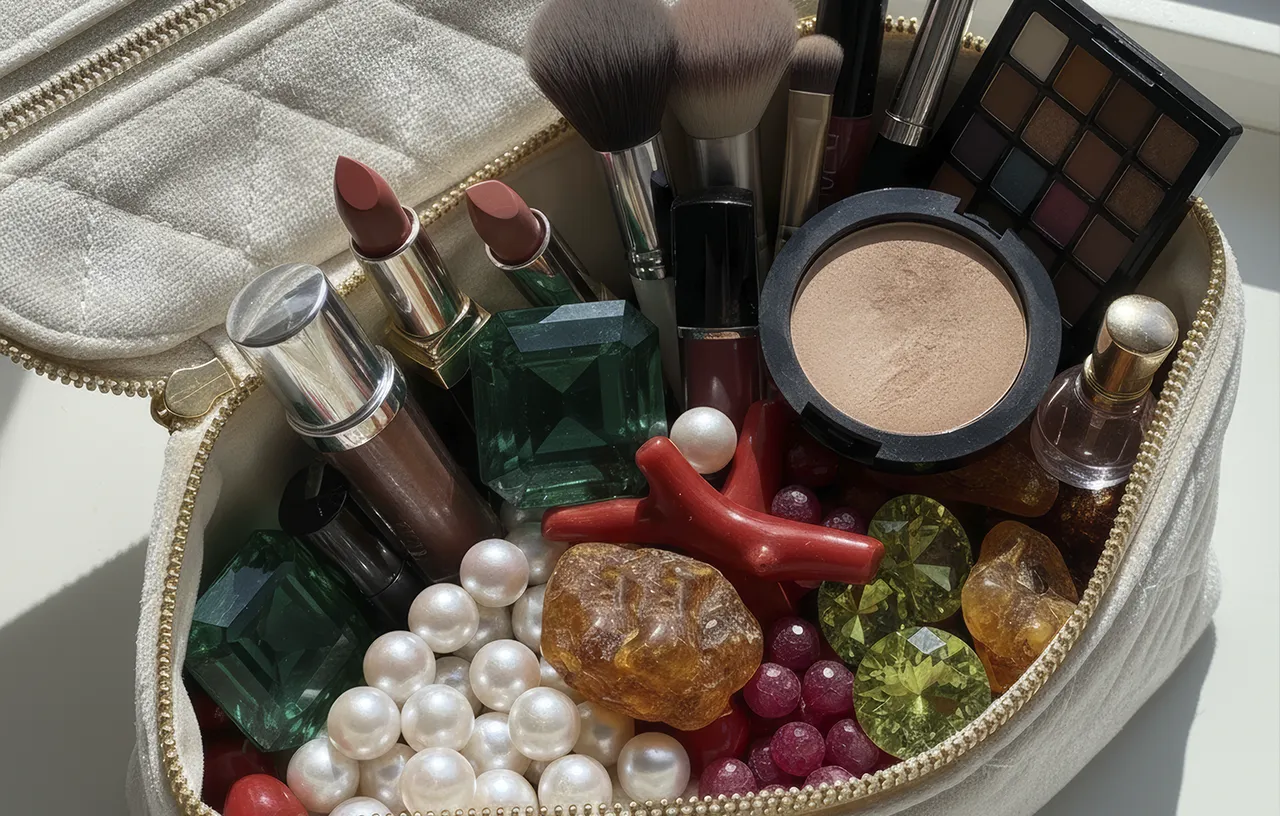
Unfortunately, household chemicals and cosmetics might cause corrosion and discoloration, leaving marks and dulling the stone’s natural hues. Especially, emeralds can be damaged by detergents, alcohol, or ultrasonic cleaners. Acids and solvents could damage pearls, red coral, and amber. Harsh cleaning agents will dull the luster of rhodolite and green peridot.
Physical Impact
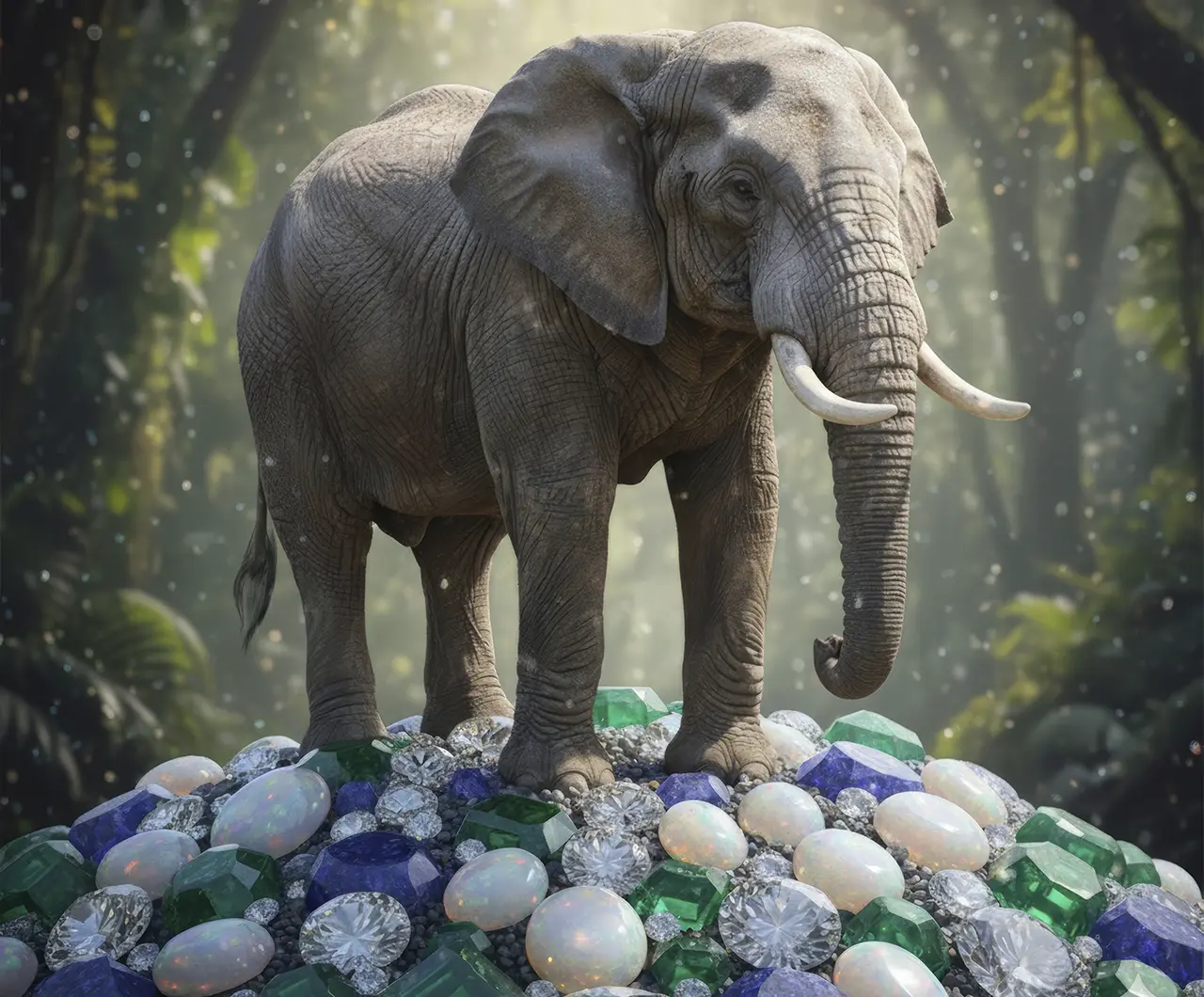
Gemstones will often chip or crack upon impact (even though we may only be talking about microchips). Emeralds and opals are particularly vulnerable in this regard, while tanzanite and moonstone require caution. Diamonds are the hardest stones, but sometimes could split along cleavage lines. Therefore, avoid wearing jewelry while playing sports, gardening, doing aerobics, or engaging in other physical activity. It is also recommended to store jewelry pieces separately from each other to avoid scratches and microcracks.
Of course, these are the most basic factors dangerous to gems. But they are purely physical in nature. And if you want to be a real pro in storing your stones, consider also what energies you transfer to your jewelry. Are those positive vibes? If not, consider cleansing them with moonlight and divine energies. In any case, that would be the topic for one of our next, more mystically inclined articles. The Olertis team wishes you to treat the stones with utmost care and hopes you can easily avoid the five most dangerous factors.