



On November 10, 2025, Phillips will auction 12 prized treasures that once belonged to Gladys Vanderbilt Széchényi, the youngest daughter of “Corneil” Vanderbilt II. The pieces represent what’s known as the Gilded Age style, which came about at the end of the 19th century (right after the Reconstruction era).
The auction’s centerpiece will be the renowned Vanderbilt sapphire brooch by Tiffany & Co. This legendary piece features a deep blue Kashmir sapphire encircled by diamond flowers. Its estimated value is anywhere between $1.1 million and $1.55 million. The sapphire brooch was once given to Gladys by her mother, Alice Claypoole Vanderbilt.

Cartier, Magnificent diamond brooch, circa 1905.
Another valuable brooch with a floral motif is the diamond lily piece. It reminds us of Gladys’s marriage to Laszlo Széchényi (the Hungarian Count). At first, the brooch was a part of a diamond tiara by Cartier, which was also given to Gladys by her mother Alice. Now, as a brooch, the piece is expected to fetch no less than $151,000.
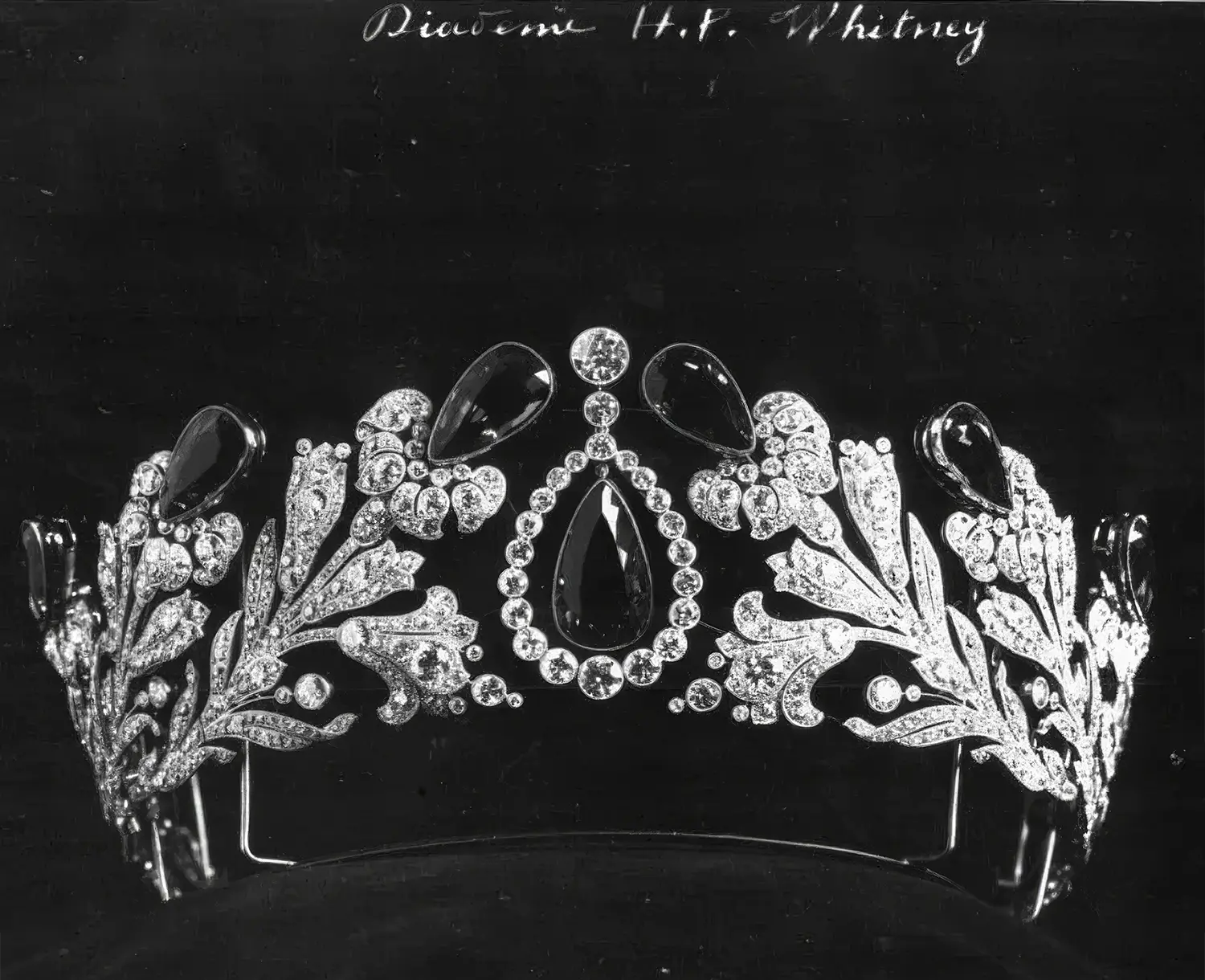
Cartier Tiara.
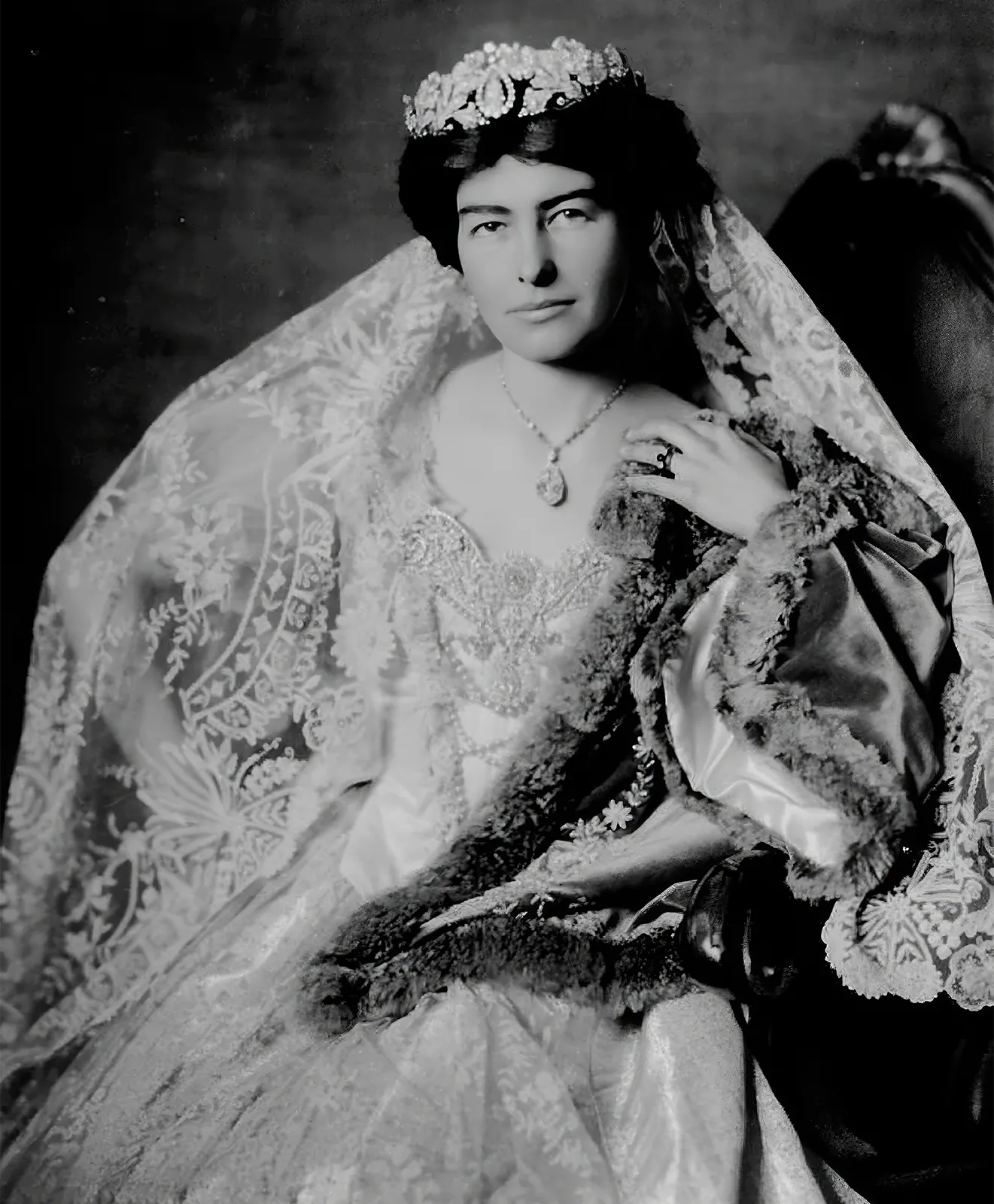
Gladys Vanderbilt, Countess Széchényi, wore the tiara at the 1916 Coronation of Emperor Charles and Empress Zita of Austria.
Back in 1908, Gladys’s wedding made quite a splash in the news. Almost every noble person in New York knew what celebration was going on on Fifth Avenue. Dozens of news reporters, America’s entire business elite, and even Pope Pius X all congratulated the happy couple. Her ascent to the highest ranks of European aristocracy was accompanied by a dignified ceremony and no less exclusive jewelry, and luckily, many of those pieces will be presented at the coming auction.

Cartier vanity case in gold, ruby, and diamond, bearing Gladys Vanderbilt’s monogram.
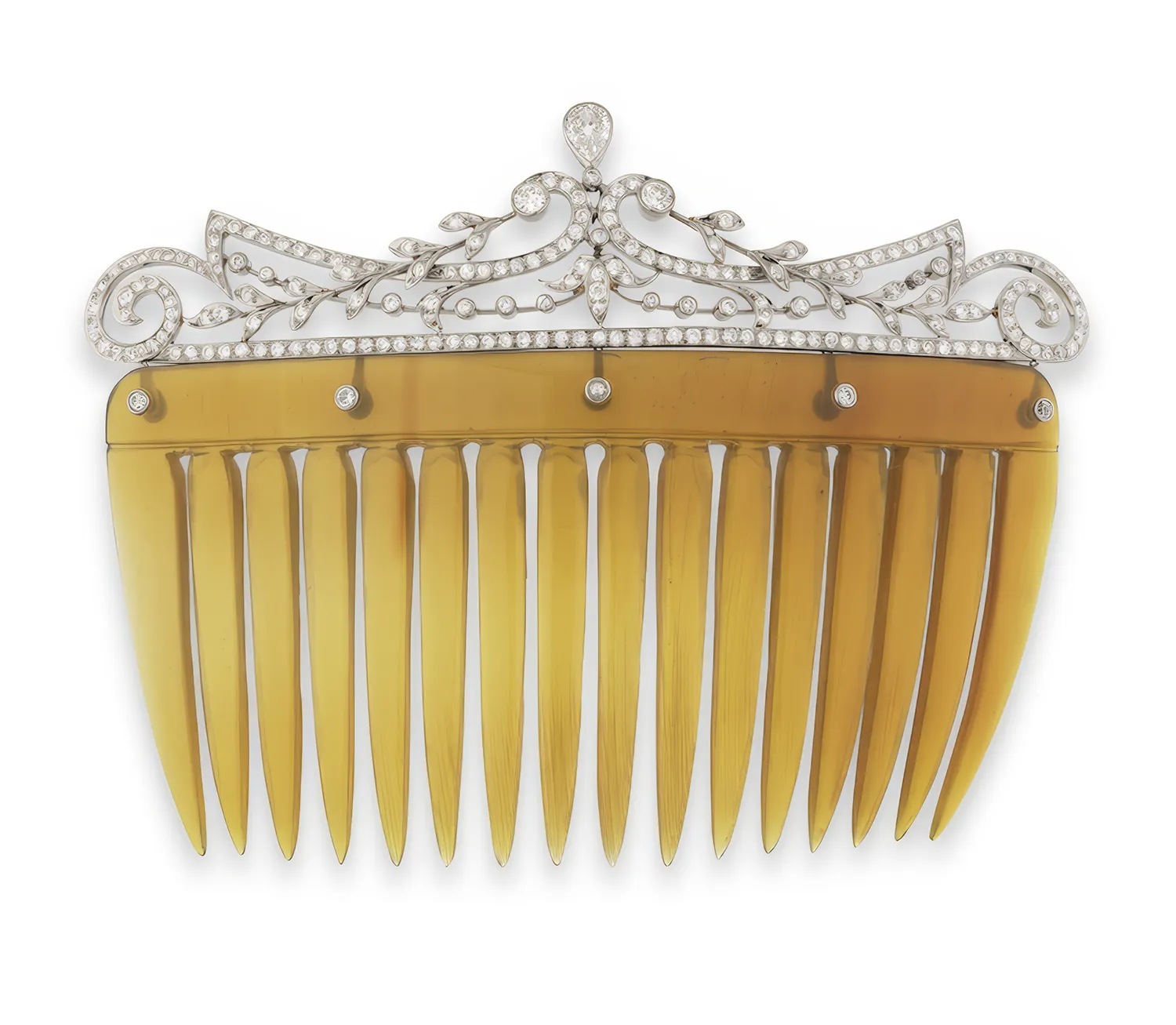
Early 20th-century diamond hair comb.
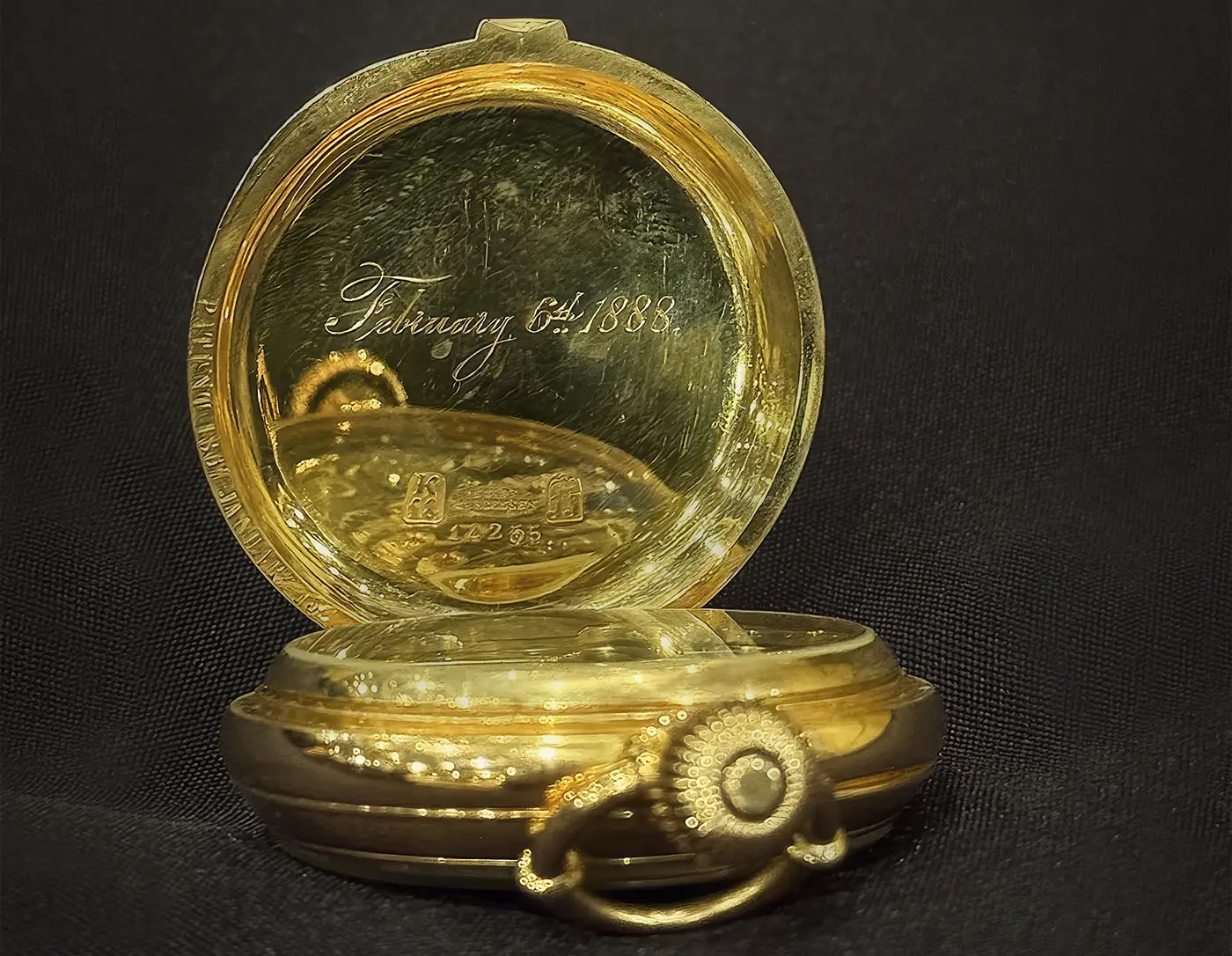
Gladys’s lifestyle as a countess and simply as a noble woman was reflected in some of her most valued pieces. Those include a gold wristwatch with ruby-encrusted lugs (around $4,000) by Cartier, a traveling clock by the same company, which was given as a family Christmas gift in 1914 ($6,000-$7,000), and a vanity case by Cartier adorned with a monogram, a diamond crown, and a bright ruby clasp (estimated at $10,000).
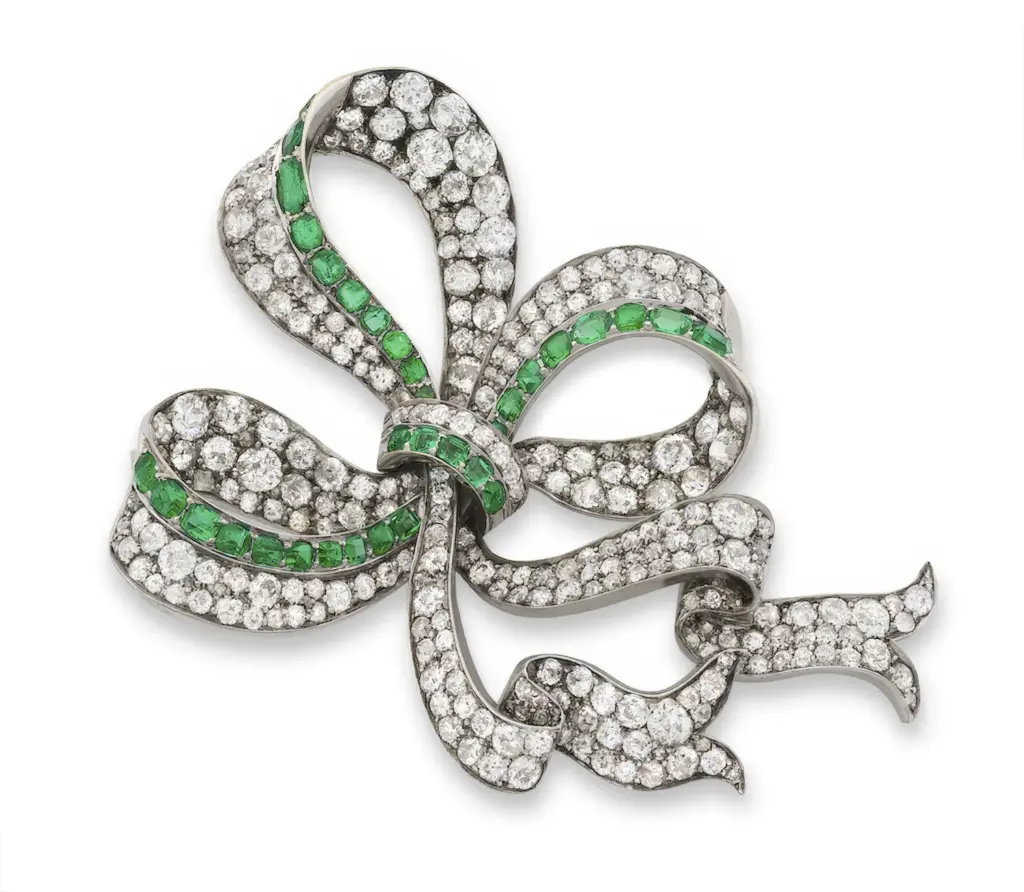
Late 19th-century emerald and diamond brooch.

Cartier 8-day travel clock with GS monogram, gifted to her Christmas 1913.
Gladys’s life bridged the cultural gap between America’s capitalism and intensive industry development and the European aristocratic traditions. She grew up in an impressive family house on Fifth Avenue in New York and also inherited the Vanderbilt Newport estate. Gladys had five children with her husband and was captured in John Singer Sargent’s portrait at the start of the 20th century.
According to the Head of Jewelry at Phillips Benoit Repellin, the Vanderbilt Jewels fully represent the elegance of the Gilded Age. He notes that nowadays the market has a strong demand for early 20th-century pieces and Belle Epoque jewelry. In fact, in the last couple of years, their sales have roughly doubled from $29 million to $60.5 million last year.
Just recently, the name Vanderbilt has become popular due to another auction. Gladys’s three-step cousin Emily Vanderbilt Wade had her jewels sold a few months earlier this year at Sotheby’s. A custom necklace with rubies and diamonds was the most valuable lot, which was sold for $1.81 million.
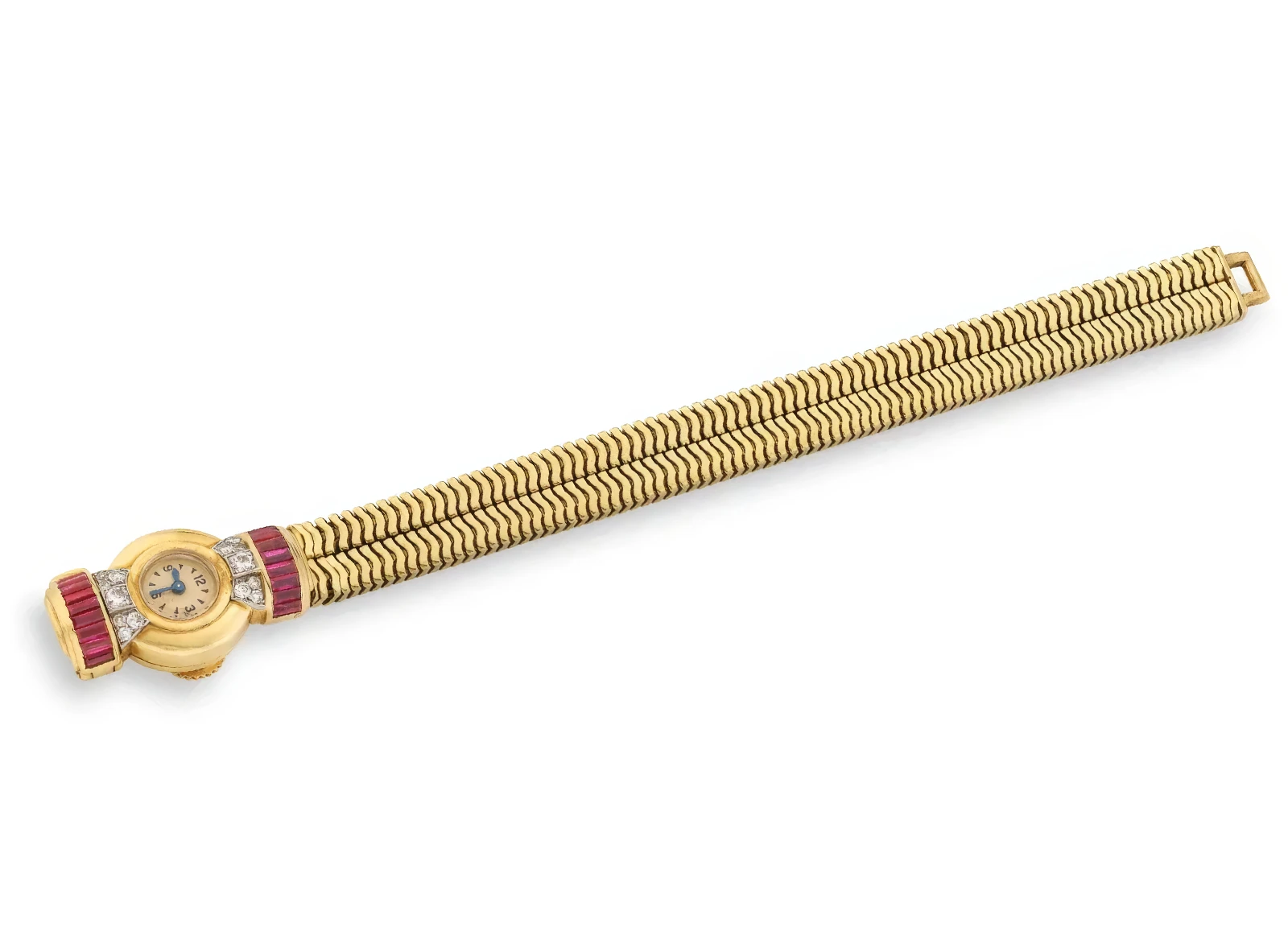
Cartier gold wristwatch adorned with rubies and diamonds.
The next auction of Phillips will bring jewelry enthusiasts a new chance to buy pieces that were once owned by Gladys Vanderbilt Széchényi. This jewelry was worn in the shiny salons of Europe and America in the Gilded Age. The Olertis team hopes this historic auction will not only become a great financial success but also a dignified tribute to this great American socialite.