






Did you know that landfills have quite real economic benefits for the jewelry market? Some believe that there is literally gold buried under layers of trash… And yes, not just in a metaphorical sense!
$114 billion. Just think about this number. That’s the amount buried under layers of garbage in the American landfills. Or at least, this is how Travis Wagner, a professor at the University of Southern Maine, estimates this number. And we’re not talking about a thrown out laptop with a million bitcoins, but about real gold! More precisely, not just gold, but different precious metals contained in the garbage (especially, ash).
For example, gold and other metals are being “hunted” by Ecomaine, a company that mines minerals from landfills in southern Maine. Since 2011, they have managed to mine 27 thousand tons of metals worth more than 2.2 million dollars! But don’t get too excited, as this publicly reported figure includes both precious and non-precious metals, not just gold.






Ecomaine represents a relatively new business of mining minerals from landfills. What comes to mind when you hear this name? Perhaps, you are thinking of prospectors who at the beginning of the last century went to Alaska with shovels in search of gold, and now they will go to landfills in the same way? But no, there are few such daredevils, and landfill mining is more of a complex engineering business than banal digging in garbage.
The exact tonnage of gold extracted from landfills is probably much lower than other metals. Unless, of course, you are thinking of only processing e-waste, such as circuit boards from your old devices. One ton of circuit boards may easily contain 250 g of gold, compare that to about 1-10 g from gold mines. Ash-based extraction will yield dozens of times less, but this doesn’t make it less impressive!
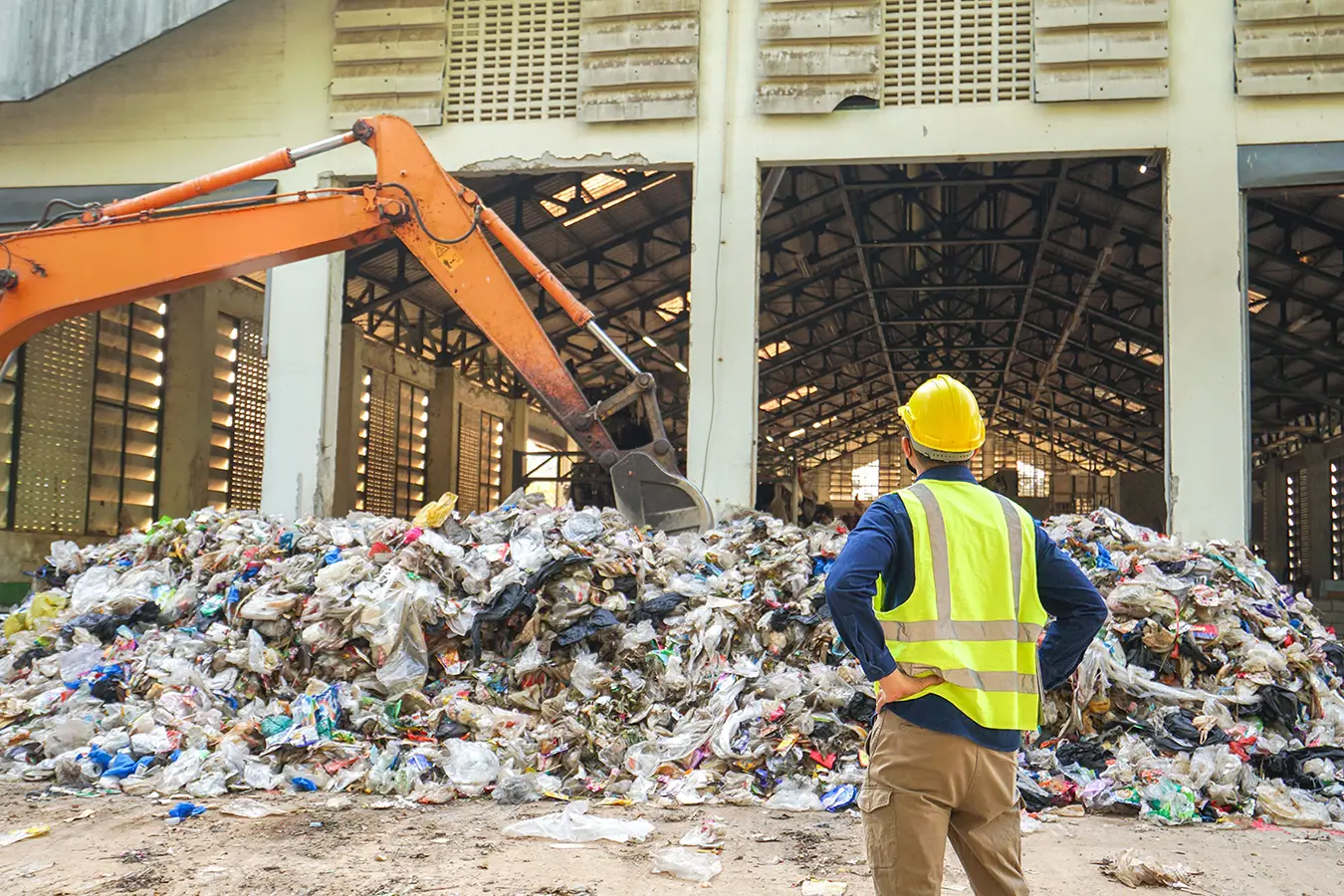
If you want to know what the extraction looks like, let’s see. First, an excavator takes out mountains of waste, then they pass them through a drum sorter, send them to conveyor belts and extract the metal with rare-earth magnets and other metal-sorting systems. And gold is often separated using special chemical solutions.
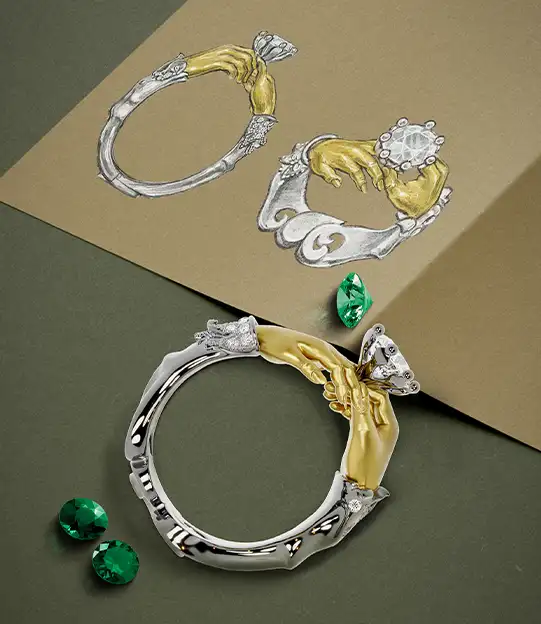
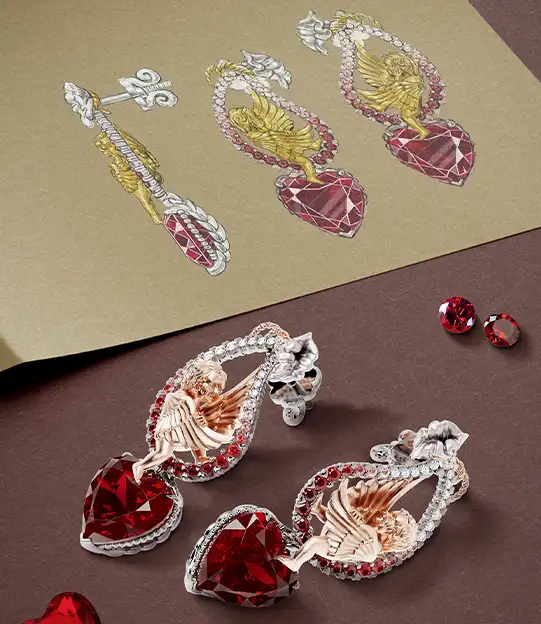
It’s hard to imagine what extracting gold from garbage means for the jewelry industry. Will this method ever outperform traditional prospecting as the old mines continue to deplete? We don’t know yet. But it surely can be a wonderful eco-friendly solution for anyone wishing to make a custom engagement ring or a pair of earrings!
In addition to practical purposes, the process of landfill mining has another function. A scientific one, because trash can be studied! And this is what a discipline called “garbology” does. Today’s landfills contain information about our modern society that can be useful for ecologists, sociologists, economists and marketers. As the saying goes, “a person is what they throw away”.