

As you know, there are two types of diamonds today: lab-created and natural. To laypeople, they may look almost the same, but the price can be very different. For example, a natural stone can cost four times as much as its lab-grown brother even though they may look exactly identical. The question arises, what makes them different, and which is more preferable as an investment?
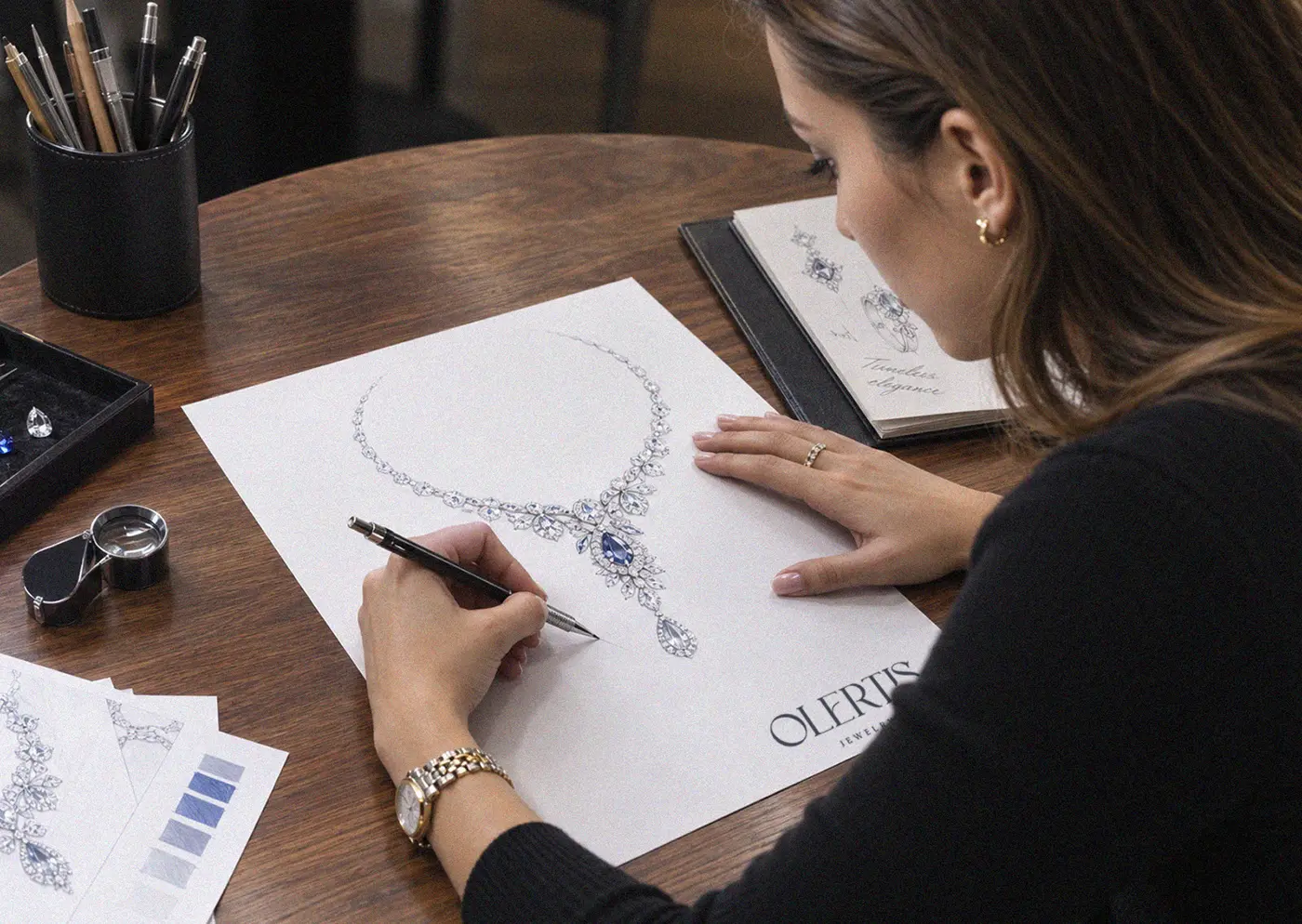
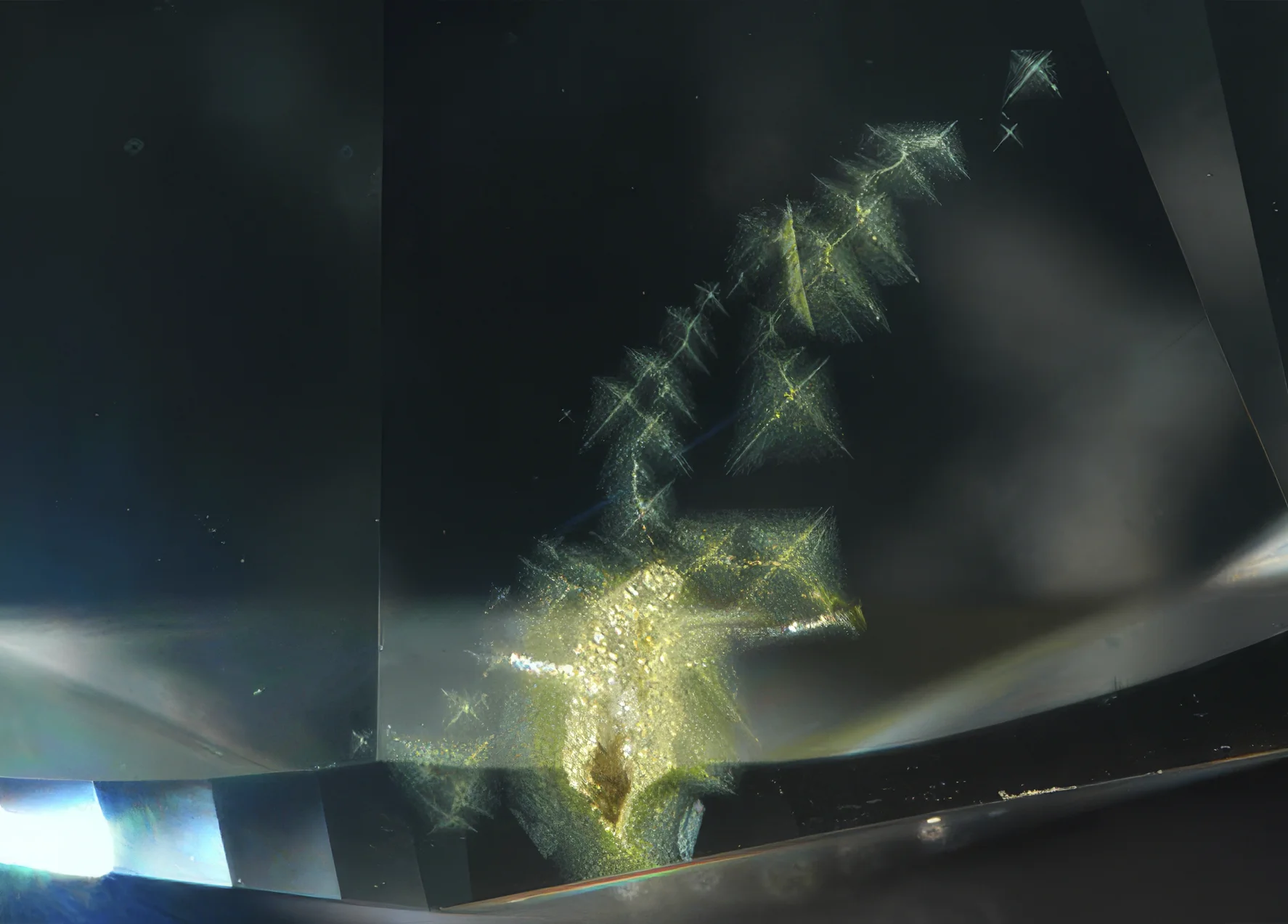
Angelina, an experienced jeweler, says that the two types of stones have virtually the same chemical and aesthetic properties. Most customers wouldn’t be able to tell them apart. The only way you’d be able to know for sure is to use advanced technology.

According to a recent survey, over half of couples said that their engagement ring contained a fake diamond. Other buyers would still prefer natural diamonds over artificial ones because their price is more stable over time. Angelina said, “People who are concerned about their jewelry never losing value tend to buy natural diamonds, while others may choose lab-grown diamonds just to make it easy on their pocket. Plus, the lab ones use greener technology.”
By the way, the value of natural diamonds went through the roof in 2020, when the pandemic hit and some people bought expensive gifts. However, they have plunged afterwards to their lowest level in years because of lower demand and a slow economy (especially, in places like India and China).

The rise of lab-created diamonds also puts pressure on the value of their natural twins. Angelina said, “The price can be 70 to 80% different per carat.” If we are talking about age metrics, lab-grown stones are especially popular with the younger generation, while natural ones appeal to older and more well-off customers.
The prices for natural stones can stabilize in the future. Gabriel Tarn, who has long been involved in diamond trade, says, “Prices are at the rock bottom, and we’re starting to see more stability, especially for stones over 3 carats.” According to her, despite the growing popularity of artificial stones, serious customers still prefer natural ones, especially with large and fancy cuts. Some rare stones that were sitting on shelves for years are now selling, thanks to a low US dollar exchange rate.
But what would win in the competition between natural and lab-created stones in the end? Gabriel isn’t sure. High-end companies and fervent jewelry enthusiasts are still more excited about natural diamonds. The natural stone industry is not going away anytime soon. She said that “diamonds don’t sell themselves” for people who purely view them as an investment. If we’re talking about retail buyers, diamonds that are over two carats and have good clarity and cut are more likely to retain value.
Therefore, it’s an individual choice when it comes to what kind of diamonds you’d like to invest in. Natural ones have a more stable resale value because of their uniqueness compared to lab-created stones, which just offer a more affordable choice at the moment. The price of the latter will likely slowly drop as we master more complex technologies and continue making more stones in the lab. Whatever is your choice, the Olertis team wishes you to make the best investment that will remain valuable both now and in the coming future.