



GIA has introduced a recently revised nacre evaluation scale, which will become a great improvement to traditional pearl classification methods.
If you didn’t know, pearls have a long list of attributes connected to their value. Things like luster, quality of surface, overall shape and size, color, thickness, and play-of-color effects. If the reflection in the pearl is sharp and crisp, it usually means it has good luster properties. The lack of blemishes, minor pits, or jarred ridges will tell you that the surface is of a great quality. Large and perfectly round pearls are what people generally look for when they assess shape and size. However, color preferences may vary slightly across different cultures, although the most traditional color of pearls is creamy white. Finally, a high-quality pearl may show the play-of-color effects, which is a highly valued additional quality that makes it look iridescent.
The GIA’s traditional 7 Pearl Value Factors system that was previously used in all grading reports, significantly changed during the recent revision. The industry will have a new standard for assessing the pearl quality. Specifically, a 5-tiered scale that characterizes pearl’s durability and aesthetics: E (Excellent), VG (Very Good), G (Good), F (Fair), and P (Poor).

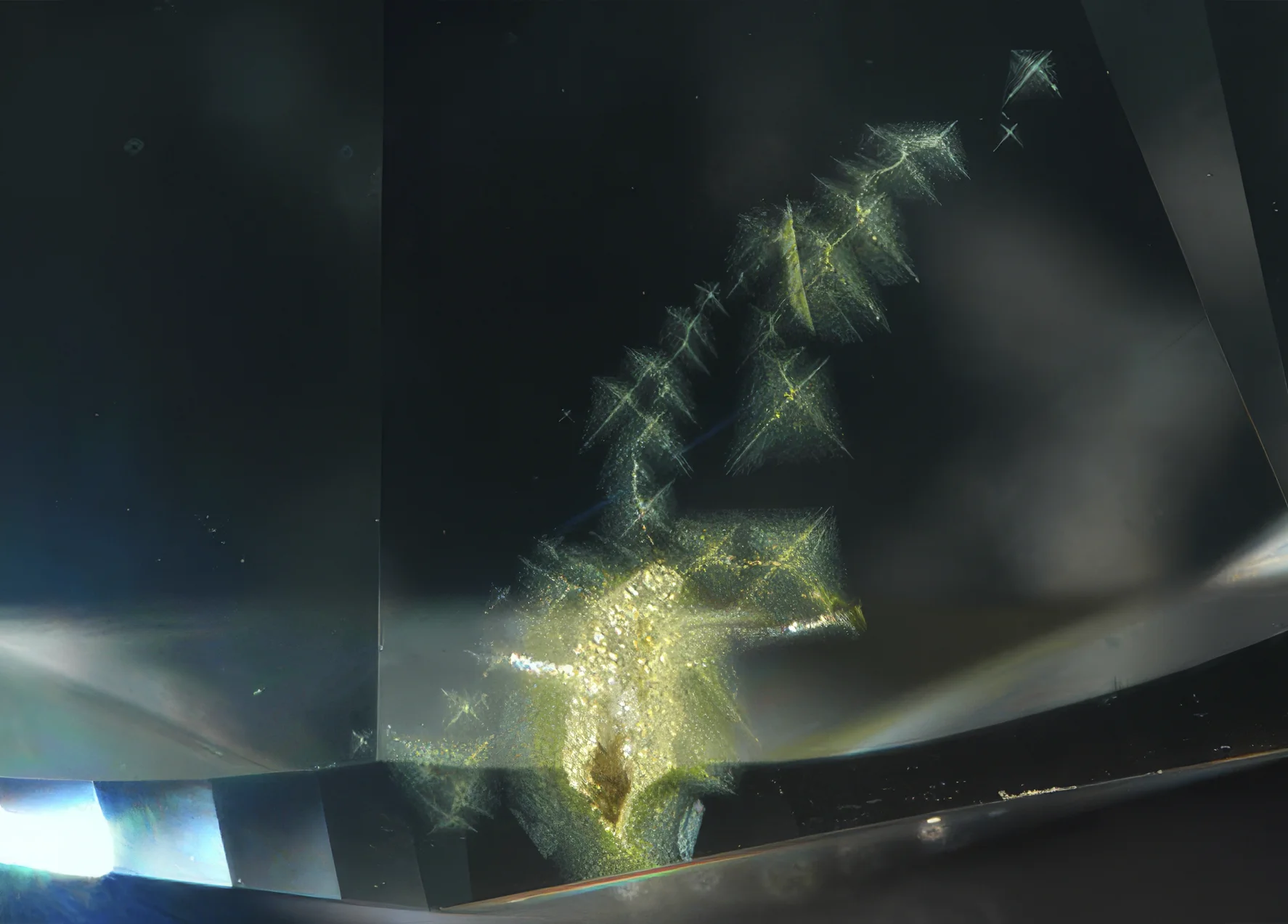
Photo courtesy of GIA.edu.
In the past, a pearl was described as “Acceptable”/”Non-acceptable” based on thickness and the quality of layers and surface. “Acceptable” meant commercial-grade nacre, whilst the term “Non-acceptable” pointed to imperfections such as thin layers, chalky surface, or visible damage that could jeopardize integrity.
Just recently, GIA came up with a more detail-oriented approach as a result of high variability in the quality of pearls and the feedback from pearl trade specialists. A more precise gradation will capture the complexity of nacre development, according to in-depth lab analysis of different specimens.
GIA-certified gemologists will from now on evaluate pearls with the revised classification system that considers post-harvest conditions, including wear, damage, treatment, and thickness as compared to trade regulations, as well as visually observable variation of surface and subsurface layer. As a result of this more precise analysis, many pearls that were seen as “Acceptable” in the past will now appear as “Good” in quality reports.
“Nacre development is very important to a pearl’s growth, as it influences its size, shape, luster, and surface appearance,” stated Tom Moses, vice president and lab research officer at GIA. Durability is also greatly influenced by the thickness and continuity. Thus, the previously used classification will be improved by this new, far more precise, scale of nacre quality.
To further improve the transparency of pearl reports, such organizations as Fukui Shell Nucleus Factory have developed ways to trace the origin of cultured gems. The bead nuclei contain RFID tags, which will tell you everything you need to know about where the pearl that you’re purchasing came from. The tracking number will also tell you where the gem was moved after being produced.
Since around 1950, GIA has classified and verified pearls. Besides providing lab services, it helped officials to revise the U.S. Federal Trade Commission’s pearl terminology guidebook. The organization collaborates with the main pearl producers around the world and works towards improving the industry’s clarity in gem reporting.