



Not everything that glitters is what it seems. Nowadays, many of the gemstones on the market are artificially made in labs over a relatively short period of time, while natural gems that are sourced from the Earth have taken millions of years to form. If you are interested in man-made stones, this guide to synthetic and imitation varieties may be just for you.
When it comes to a stone’s “naturalness,” the key thing to understand is whether or not it’s been created by humans. Of course, sometimes even naturally occurring gems can be additionally treated in order to improve their aesthetic qualities, for example, color or clarity. The most common example of that is heating amethyst or sapphires to make their color deeper.
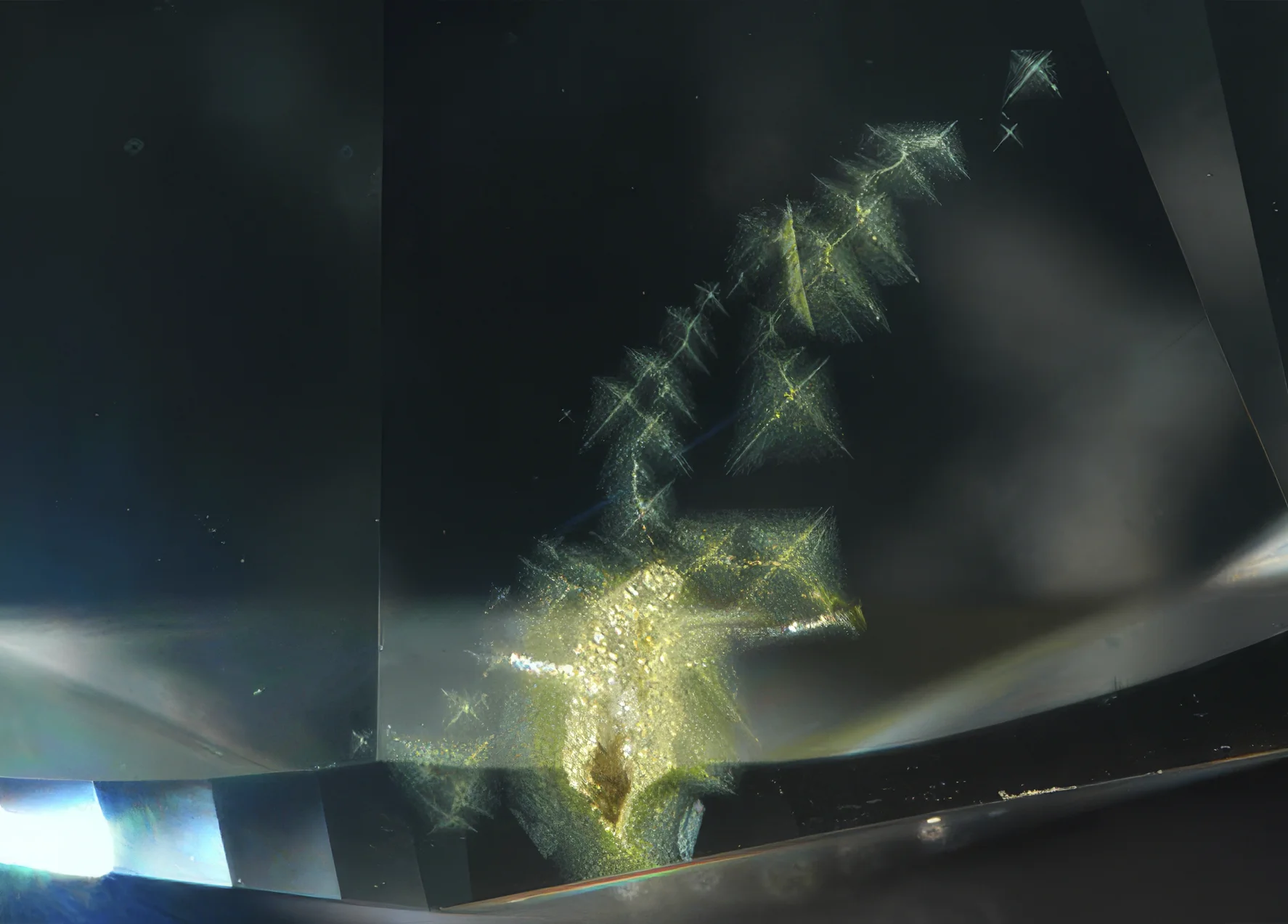
Synthetic stones, on the other hand, are entirely grown in a lab, however, they have exactly the same chemical composition and structure as their natural “brethren”. Such stones have been around since the 1800s. Interestingly, to the untrained eye, they often look like the real thing. Scientists have gone a long way before they could artificially recreate precious and semi-precious stones.
The most famous synthetic stone is, of course, diamond, the less commonly made are rubies, sapphires, emeralds, alexandrite, chrysoberyl, opal, spinel, and quartz. Artificially created stones are reasonably priced and have far less blemishes than naturally sourced ones. Perhaps, this is really the time when the imperfect is actually perfect and vice versa.
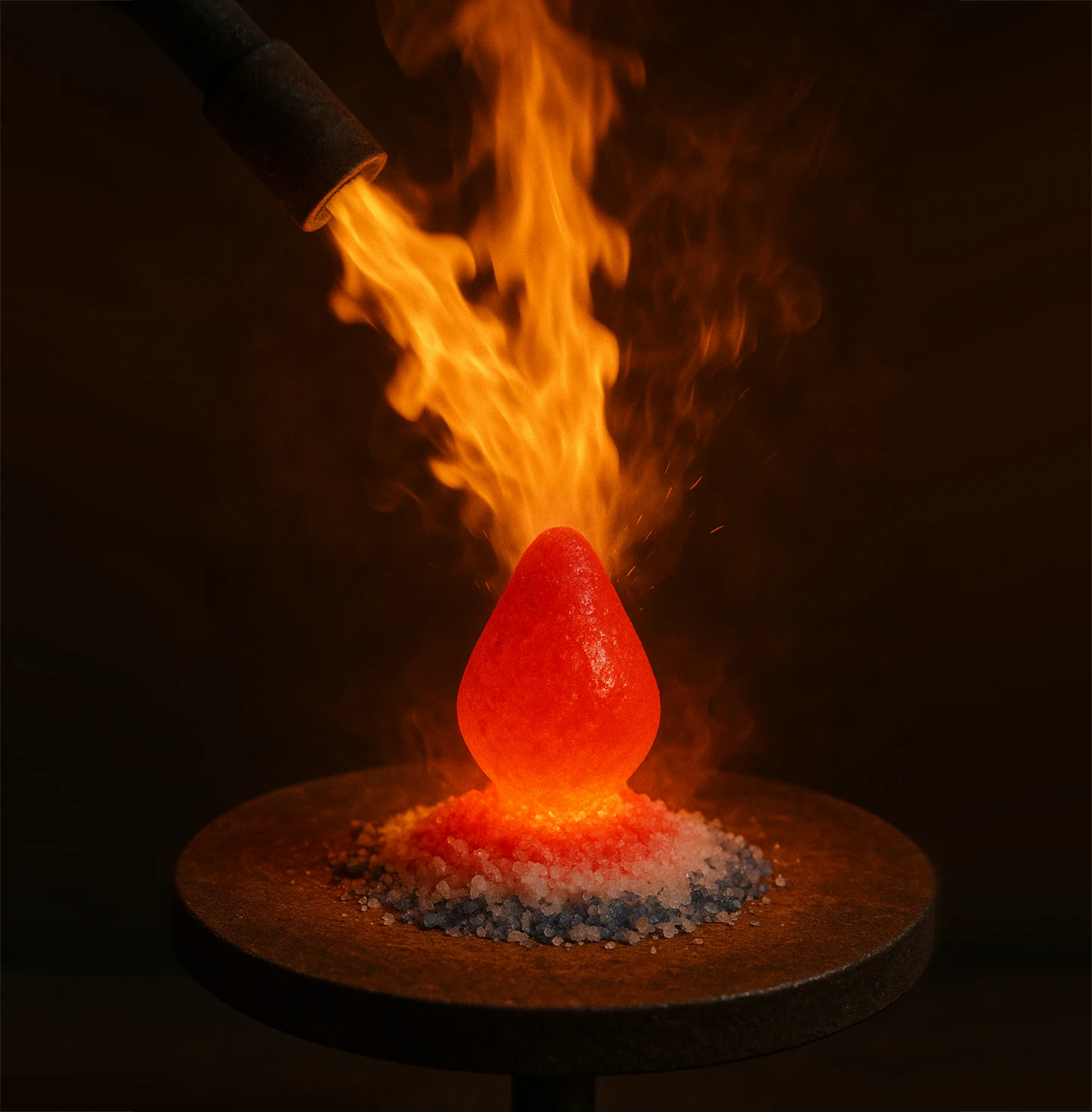
Despite the widely spread belief that lab-grown stones haven’t been around that long, they are surprisingly common even in vintage jewelry. The oldest and most economical technique gemologists use for stone production (especially for rubies, sapphires, and spinel) is flame fusion, where on a rotating platform, mineral powders crystallize after melting in fire.
Another common but more recent technology is the pulling method developed by Czochralski. A seed crystal is gradually extracted from a molten solution, which is rich in different nutrients. In the expensive flux method, gemologists dissolve minerals in a molten flux and then see crystals form when the mixture cools down.
In order to create lab-grown diamonds, scientists have to go one step further. Since these jewels are formed only under extreme conditions, gemologists need to recreate them in order to get the real thing. In a method known as HPHT, they simulate Earth’s conditions with temperatures of 1500°C and the pressure of more than 60,000 atmospheres. Finally, the Chemical Vapor Deposition method is about releasing carbon gas into a vacuum chamber to create diamond layers.
GIA Distinguished Research Fellow Dr. James Shigley reviews the latest breakthroughs and trends in the production of gem-quality synthetic diamonds. Video courtesy of Gia.edu
Naturally, creating such conditions isn’t easy and, most importantly, it’s far from cheap. But what you can expect for “cheap” is an imitant or simulation stone. These are usually made of completely different materials, for instance, glass, plastic, or less valuable stones. They only look like the real thing, but the fact is, they don’t have any chemical characteristics of the stones they imitate.
As you already know, the cheapest substitute for diamonds is cubic zirconia. It’s made using the skull melt method. While the outer “skull” cools and crystals form, the center remains molten. CZ is long-lasting, and can be in a variety of colors, but it has nothing to do with real diamond. A more optimal and quite fashionable alternative is moissanite, which is marketed as a separate gem. By far, it’s the most high-quality diamond simulant that rivals the real deal in the brilliance index and clarity. The less well-known diamond imitants are rutile, strontium titanate, and GGG.

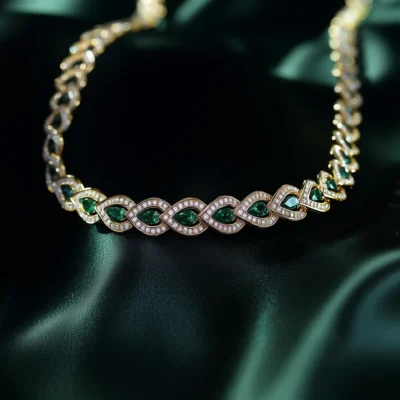
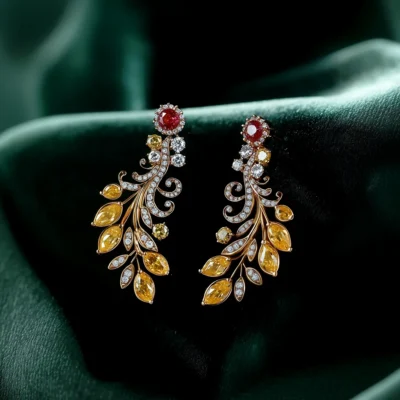
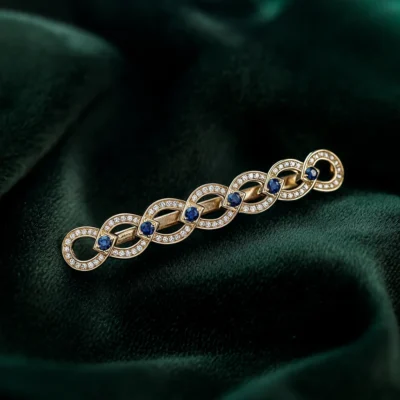

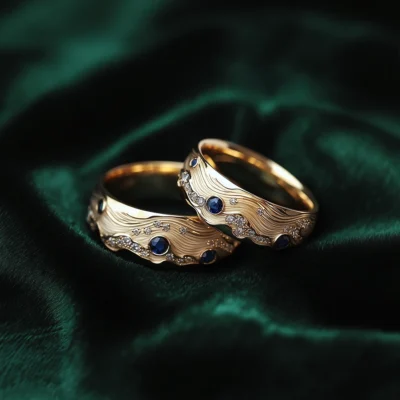
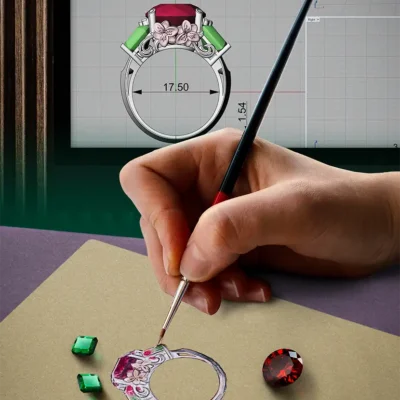
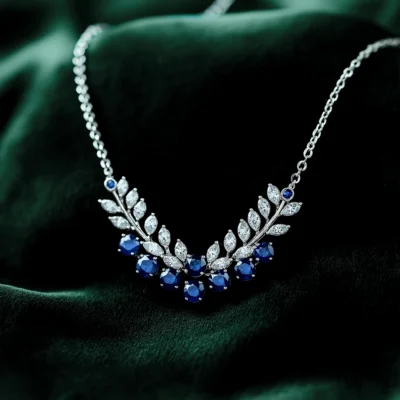
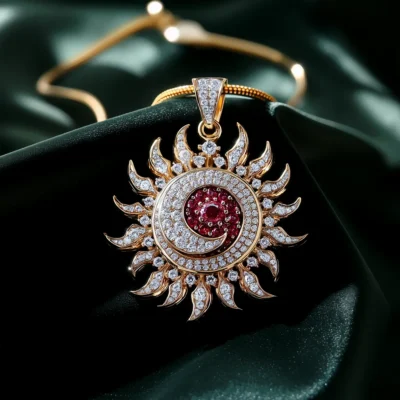
Depending on the stone’s transparency or opaqueness, manufacturers can use glass or plastic to imitate gems. Historically, glass was the first more or less real-looking imitation of colored stones like sapphire or emerald. Plastic, on the other hand, comes in handy when we want to replicate opaque gems, such as opalite, malachite, turquoise, serpentine, or bowenite.
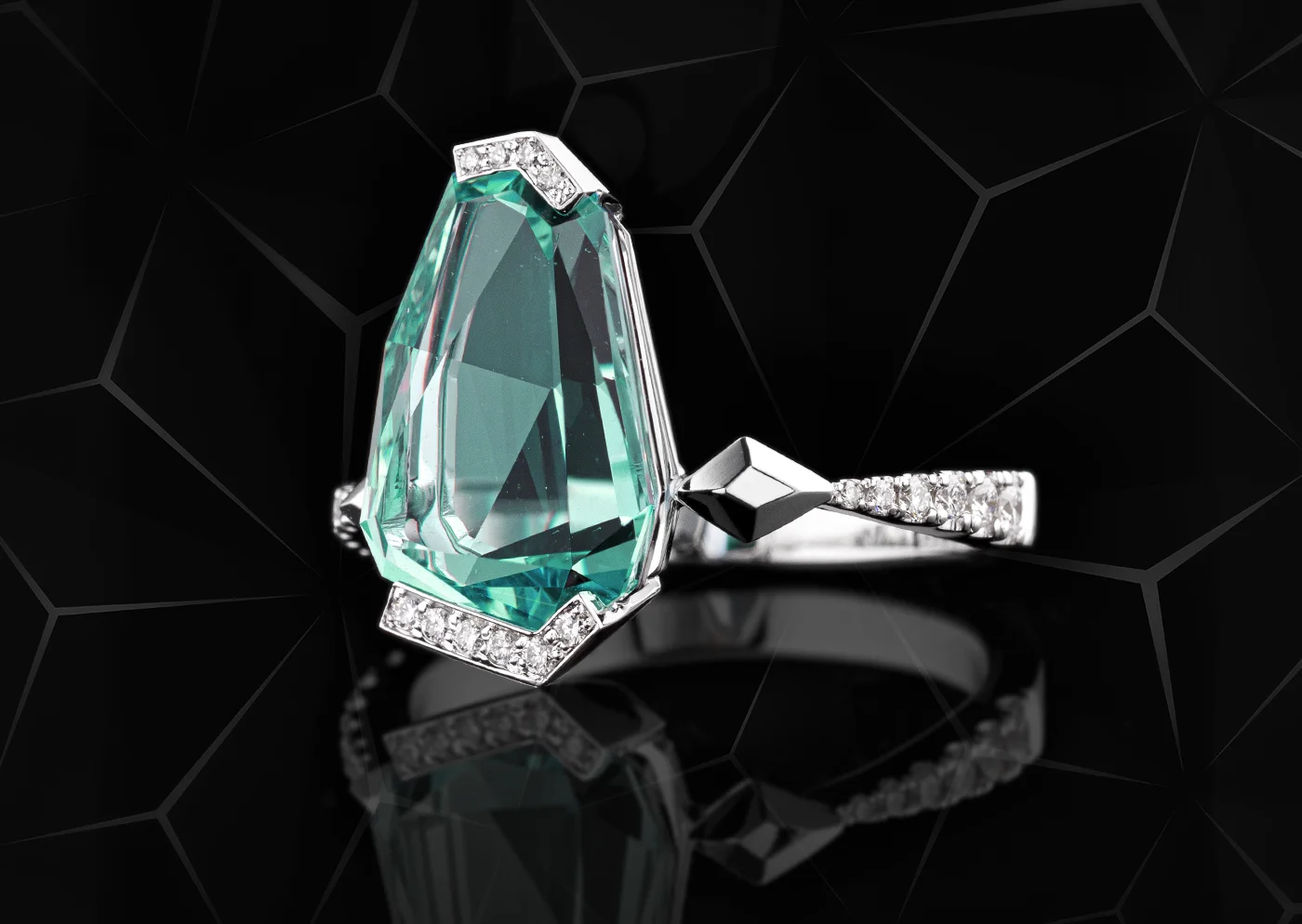
Some stones are used to substitute others, especially in order to reduce the price of the final product or to deceive an unwary consumer. For instance, synthetic spinel is used to simulate peridot, sapphire, or aquamarine. And sunstone is, unfortunately, often confused with goldstone, a man-made substance with tiny bits of copper inside.
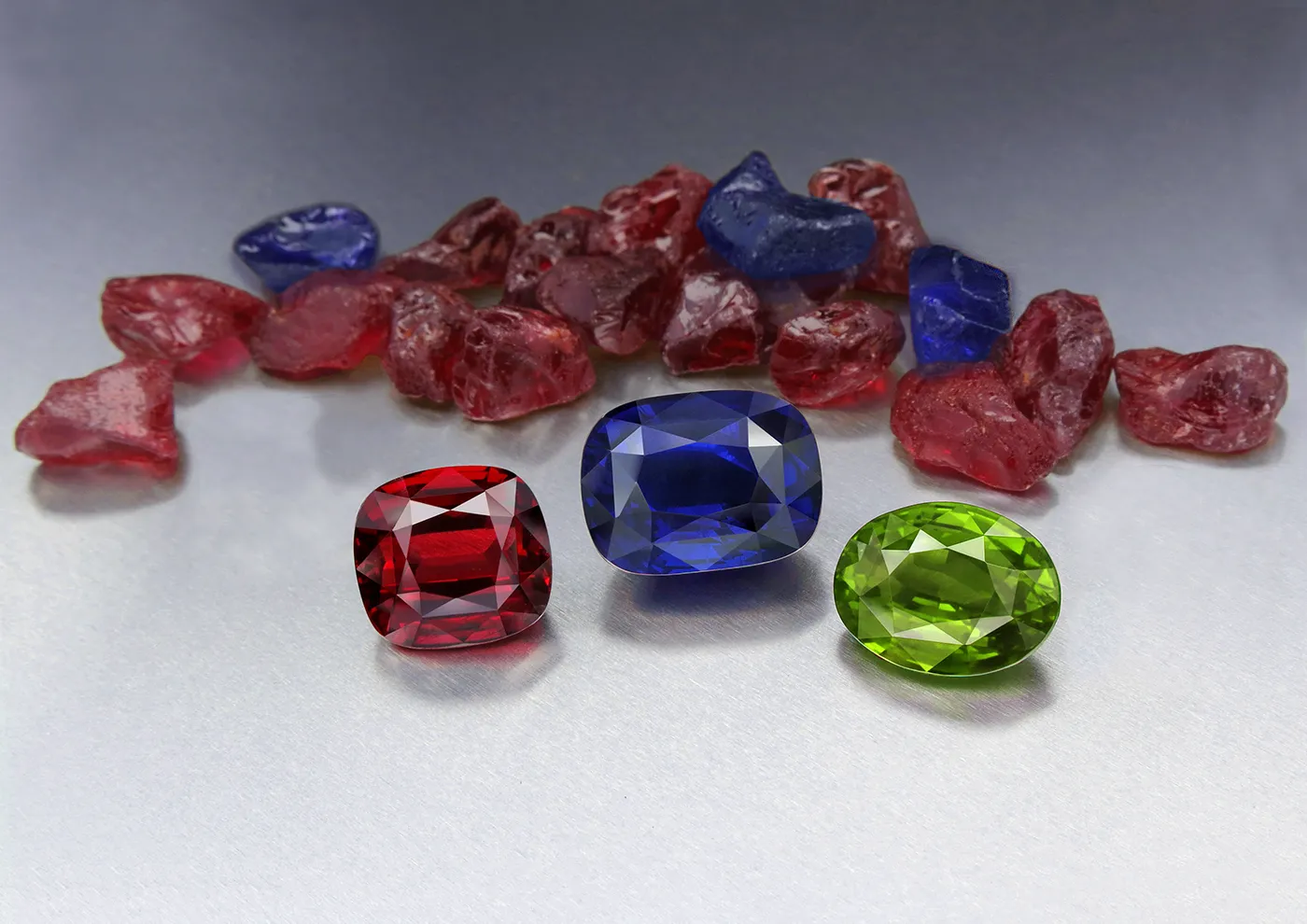
Synthetic Spinel
Knowing the difference between naturally occurring and synthetic stones, as well as their imitants is crucial for today’s customers and jewelry dealers. It makes all the difference in the world when you can distinguish the fake product from the real deal. In some future articles, we’ll provide more specific advice on how to tell the difference, however, on many occasions, it’s better to contact a specialist to be 100% sure. We hope that you will never become a victim of a gemstone scam and always buy correctly represented stones.