




















In a huge anti-counterfeit crackdown, the U.S. CBP agents in El Paso confiscated a 2000-piece shipment of fake Van Cleef and Arpels jewelry. If real, the pieces would be worth a retail value of about $9 million.
On April 9, 2025, the officers seized the shipment that was headed from China to El Paso, Texas. During the inspection, officers discovered over 1,700 counterfeit items meant to imitate designs from the brand’s famous Alhambra collection. These mostly included earpieces, necklaces, charm bracelets, and rings.
And while the manifest that accompanied the shipment described its contents as “bracelets and other jewelry pieces,” with a total value of just $15,500, the CBP reached out to the official trademark holders. Naturally, they identified the merchandise as 100% fake.
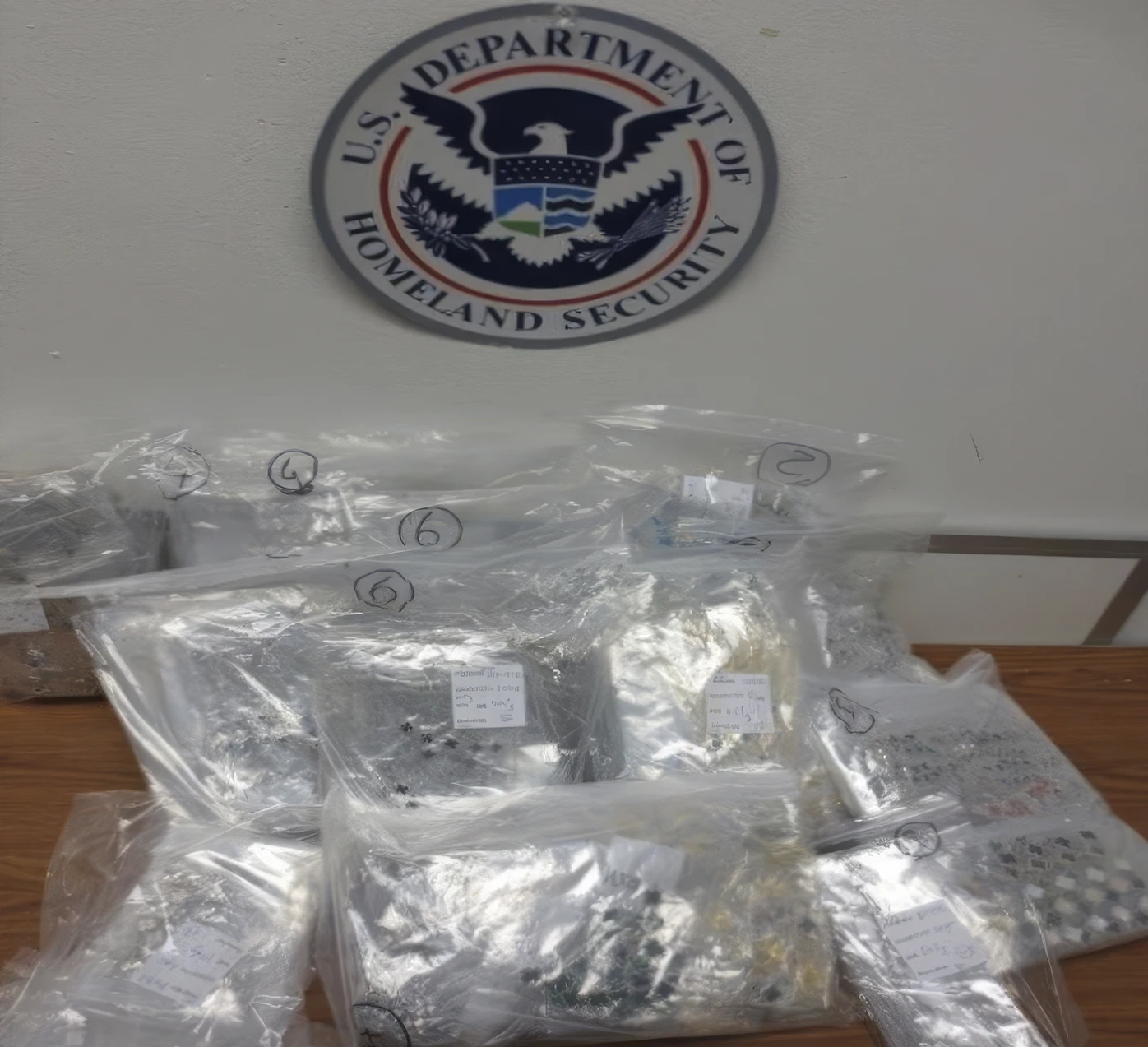
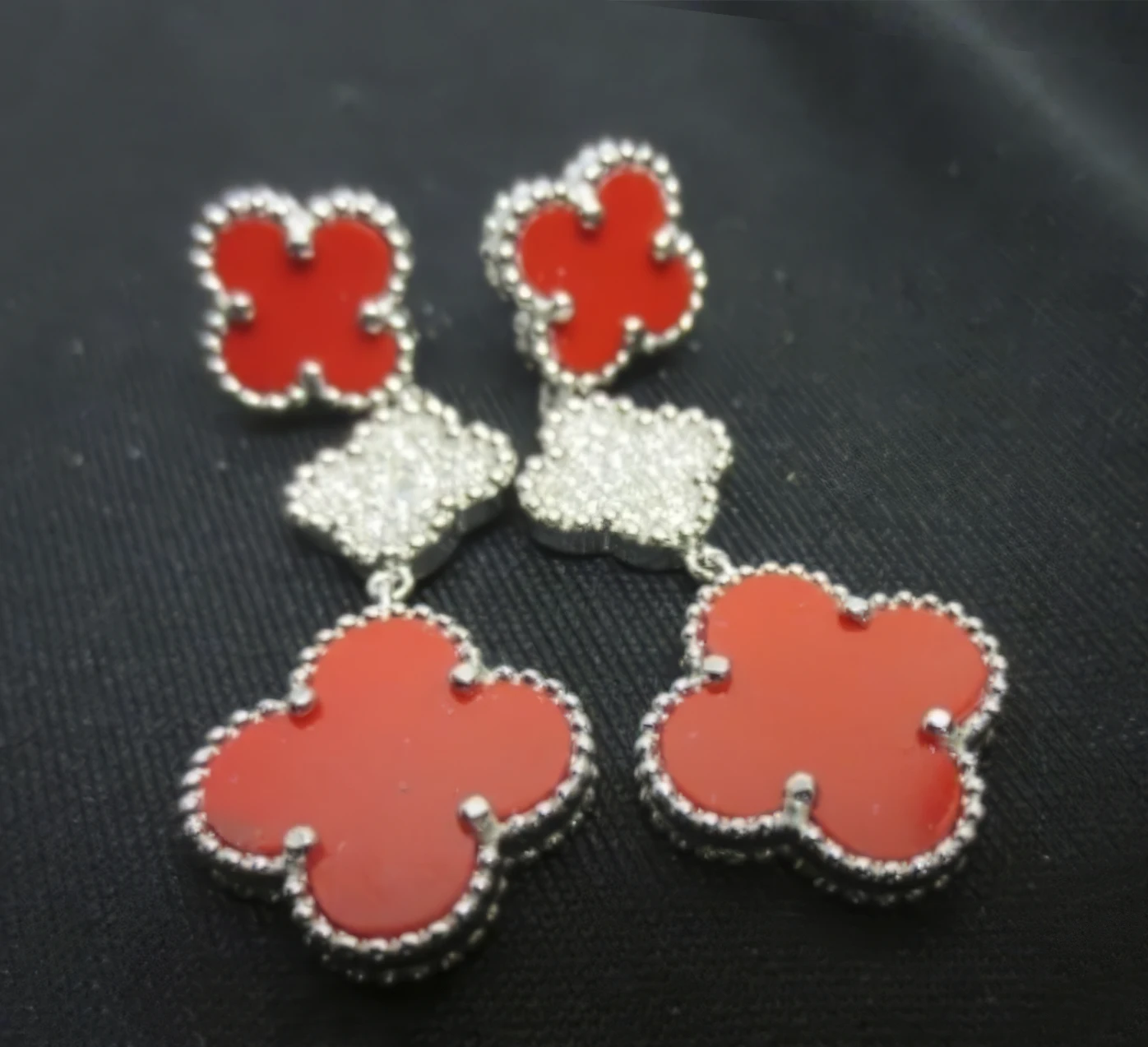
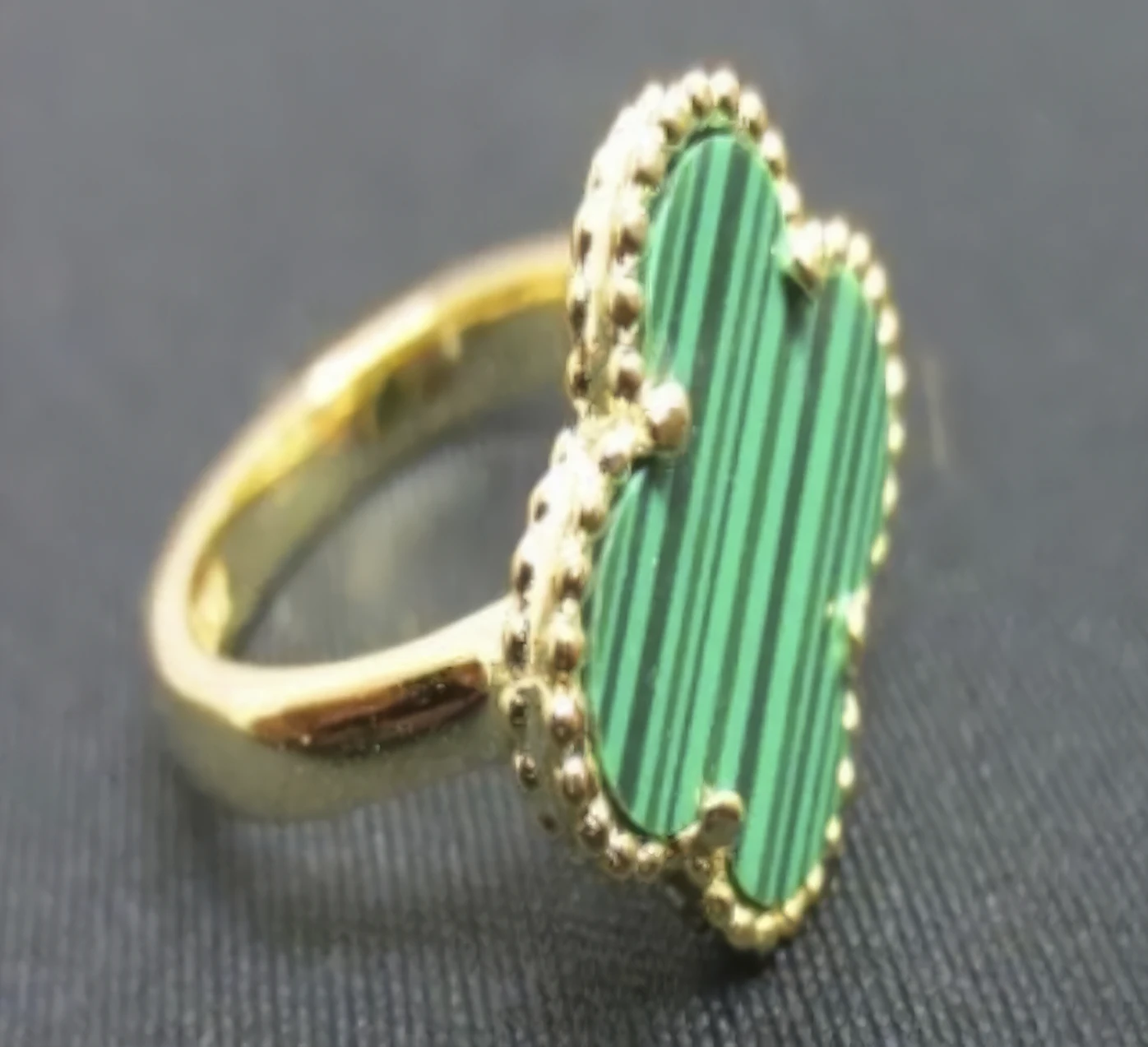
The authorities approved confiscation on April 21, 2025. As of now, the investigation into who the items belong to and their purpose is underway. Unfortunately, the exact location of the secret manufacturing facility is also currently uncertain.
Hector Mancha, the CBP Director of the Texas Department, stressed the wider consequences of such confiscations. Even though buying counterfeit luxury pieces may seem profitable to unsuspecting customers, it only makes things worse. Such unwise purchases may channel funds towards gangs involved in severe breaches of labor regulation, money laundering, and organized crime.
Ingenuine goods still cost American companies billions of U.S. dollars each year. As a preventive measure, CBP frequently examines overseas packages in order to protect consumers from scams. In an attempt to stop “the shady economic underbelly” from spreading even more fake jewelry, the organization gives the following rules to help customers avoid being misled by non-original jewelry pieces:
- purchase directly from the brand or a certified seller;
- prices that appear lower than expected should be questioned;
- as part of seller transparency, reliable websites should have a working customer service number, easy-to-find contacts, and actionable return policies.













In an effort to increase awareness of the spread of counterfeit goods, CBP also invites the public to review the Consumer Awareness Guide to Counterfeit Goods in E-Commerce available on their official website.