




In today’s world, technology and luxury often seem like two separate realms. What will your first associations be when you hear the names of such precious metals like gold, silver, and platinum? Fine jewelry and accessories will be the first you come up with. However, you can find these materials in any smartphone, laptop, or tablet, as these modern gadgets can’t function without them. However, the potential of precious metals doesn’t end here. With the right recycling processes, these metals can transition from circuit boards to elegant custom jewelry.
The Precious Metals Powering Your Devices
While each device contains only tiny amounts of precious metals, when you think about how many gadgets are produced in the world, the total amount turns out to be mind blowing. Take smartphones, for example — they may feature tiny traces of these materials, but they’re the same precious metals that make high-end jewelry so desirable.
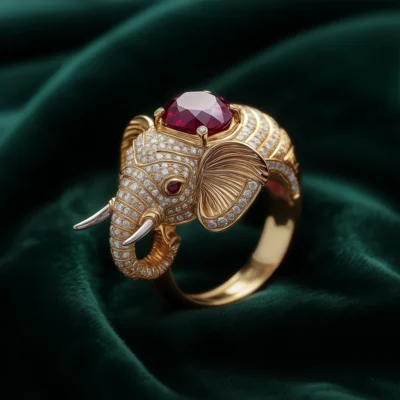
- Gold (Au) – Renowned for its exceptional conductivity and resistance to corrosion, gold is used in connectors, switches, and relay contacts within electronic circuits. A single phone contains only 0.034 grams. The recycled gold from e-waste can’t be distinguished from mined gold, so it’s great for high-end jewelry as well.
- Silver (Ag) – You probably didn’t know, but printed circuit boards and touchscreens contain silver. This metal has great electrical conductivity and is essential in modern devices. There are about 0.34 grams of silver in a smartphone.
- Palladium (Pd) – In fine jewelry, palladium is combined with gold to create white gold alloy. In gadgets, it is used in multilayer ceramic capacitors and electronic connectors. There are approximately 0.015 grams of this metal in a smartphone.
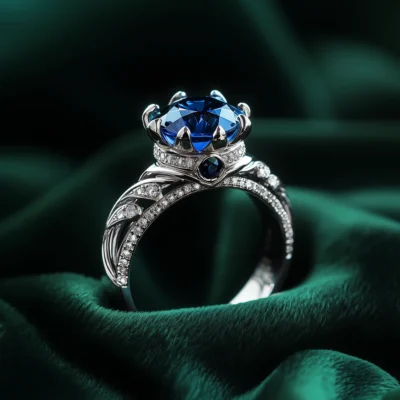
- Platinum (Pt) – It is not as commonly found in consumer electronics as gold or silver, but no hard drives or sensors can exist without it. This metal is also a popular choice for creating jewelry, especially for engagement rings and high-end watches.
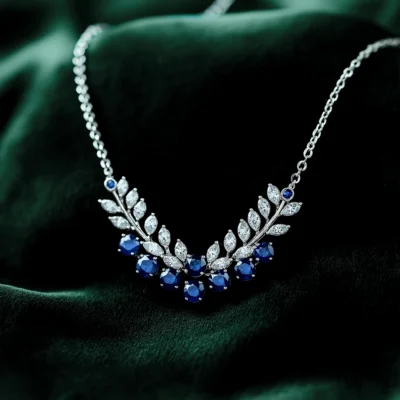
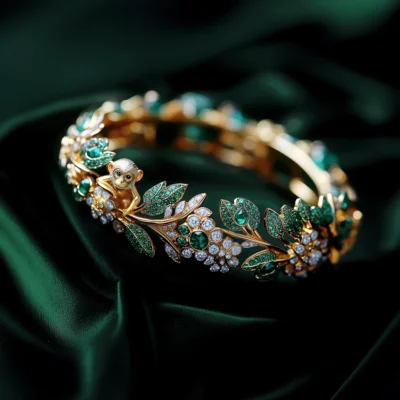

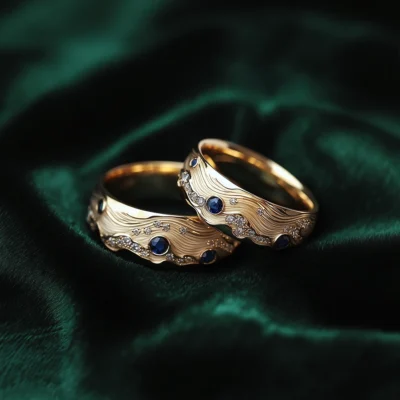
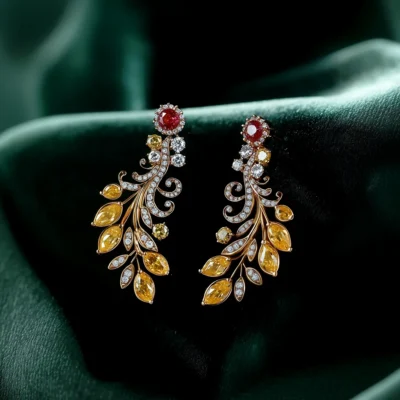


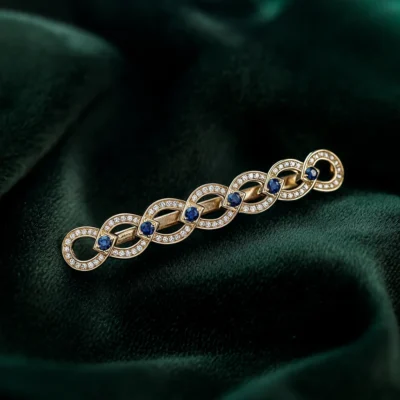
Beyond these well-known precious metals, several lesser-known yet equally important elements can be found in electronic devices:
- Rare Earth Elements (REEs) – Elements like neodymium (Nd), dysprosium (Dy), and praseodymium (Pr) are essential for strong magnets used in speakers, vibration motors, and camera autofocus systems.
- Cobalt (Co) – It is primarily used in lithium-ion batteries in quantities ranging from 5 to 20 grams per device. Cobalt could play a role in future jewelry innovations, especially in durable alloys and experimental designs. But it only became possible due to battery recycling.
- Tantalum (Ta) – This rare metal stores and releases energy efficiently, so it is used in capacitors. It may come as a surprise, but it is also used in jewelry: some brands offer a variety of men’s wedding bands that include this scratch-resistant metal.
From E-Waste to Exquisite Jewelry
These precious materials found their second life thanks to the development of e-waste recycling. In the United States, several facilities like ERI and Sims Recycling Solutions specialize in recovering valuable materials from discarded devices. ERI alone processes over a billion pounds of electronic waste annually across its eight U.S. facilities, ensuring that these precious materials do not go to waste.

Beyond industrial-scale recycling, organizations like the Lower East Side Ecology Center in New York provide accessible e-waste recycling programs, so anyone can contribute to sustainable material recovery.
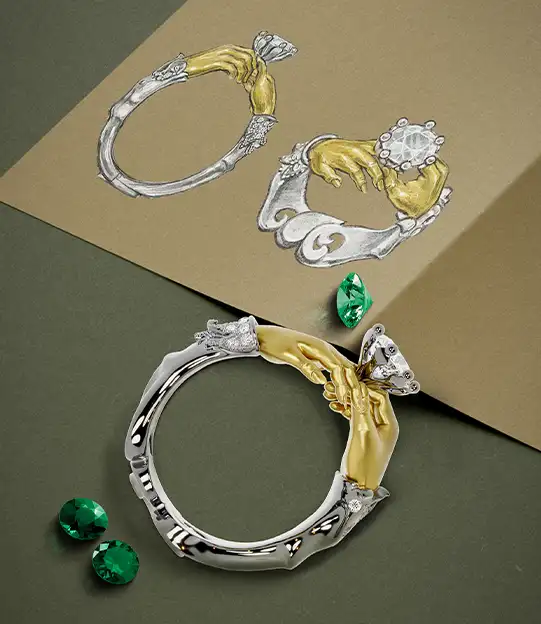
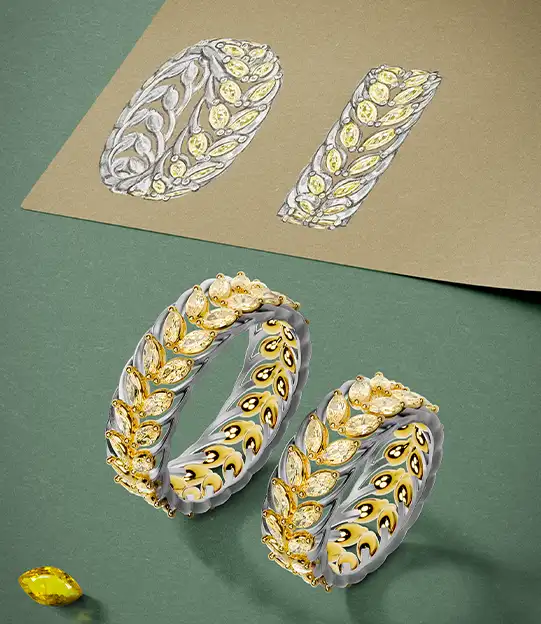
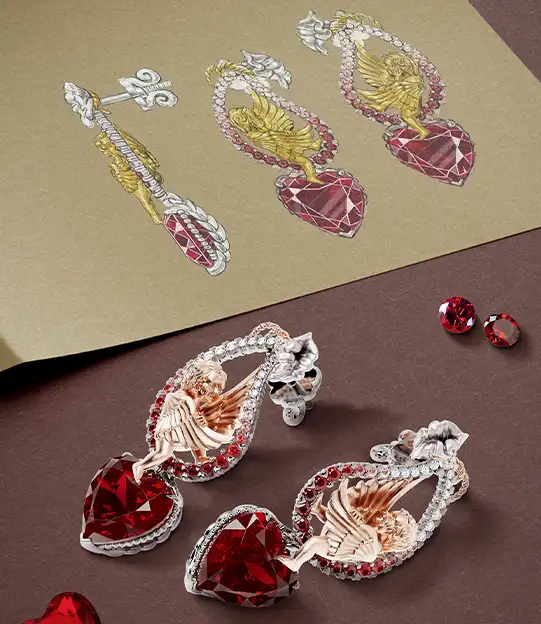
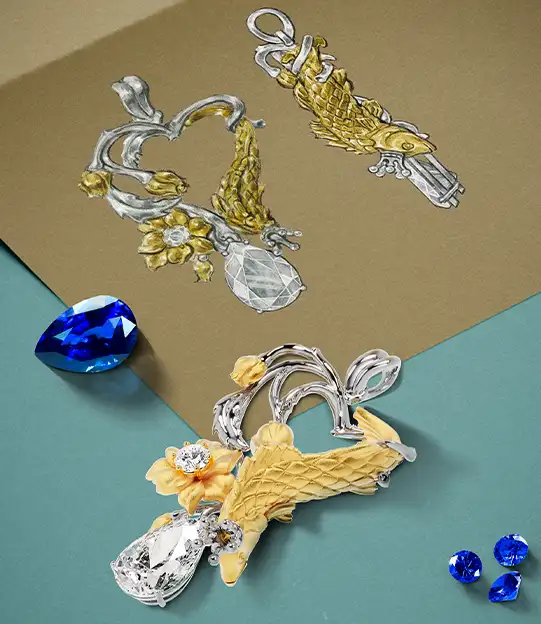
Many luxury brands have also taken note and offer collections of 100% recycled gold. This tendency is more than a fleeting trend. It is a conscious choice to save the world we’re living in and reduce the environmental impact of traditional mining.
How You Can Contribute to Sustainable Luxury
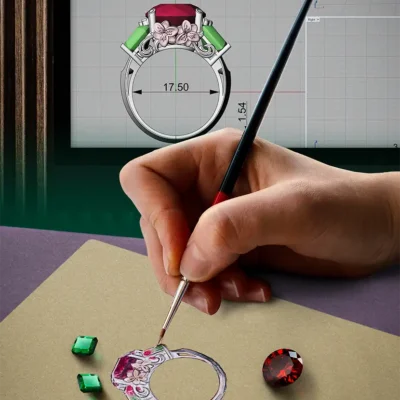
As consumers, we have the power to choose what we buy and what we do with things that have serviced us. Find a certified e-waste program in your city and recycle your old electronics. Precious metals can be extracted from old devices for industrial use or more aesthetic use, like crafting customer jewelry.
When choosing jewelry, opting for pieces made from recycled gold and silver supports a more ethical and environmentally friendly industry. Not so long ago, these materials were parts of your smartphone, and in a blink of an eye, they can be transformed into cute jewelry pieces. Technology’s finest elements can live on in something truly beautiful.