

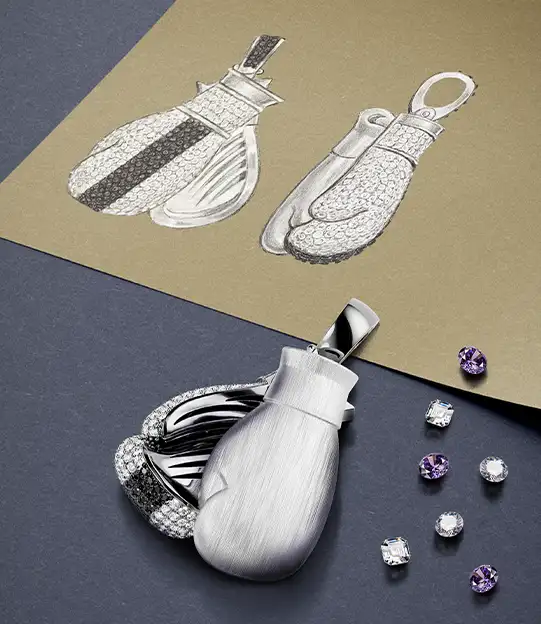
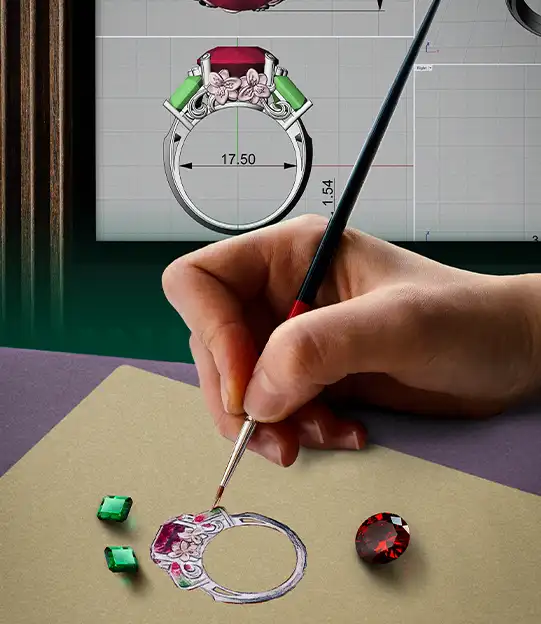


Exposition Internationale des Arts Décoratifs et Industriels Modernes, which happened in 1925 in Paris, became an official starting point for one of the most prominent styles of the 20th century. Of course, we are talking about Art Deco. What began as a decorative fad turned into a whole art philosophy. Exuberant and colorful, edgy and geometric, futuristic and modern, yet elegant and sometimes delicate – that’s how most jewelry enthusiasts can characterize this style.
Some trends of Art Deco could actually be traced to as early as 1910. After attending a historic exhibition in Munich, French designers were stunned by the minimalism and precision in the works of their German colleagues. But after a while, they started to mimic it, promoting various geometric shapes, angles, and strict lines in their pieces. The jewelry of that style was widely accessible and affordable, which is why it became so popular.

Van Cleef & Arpels, bracelet circa 1928. Photo courtesy of Van Cleef & Arpels.
As a cultural phenomenon, Art Deco was born after World War I. Because of men being at war, women had to take on new responsibilities, and it changed their fashion sense. Dresses with shorter hemlines and flowing silhouettes became quite popular, symbolising women’s independence. As for jewelry, flashy drop earrings, double-clip brooches, and flexible custom bracelets resembling metal fabric were all the rage during that period. At the same time, many regular objects like cigarette cases and compacts became symbols of style, too, and were often encrusted with colorful gems.
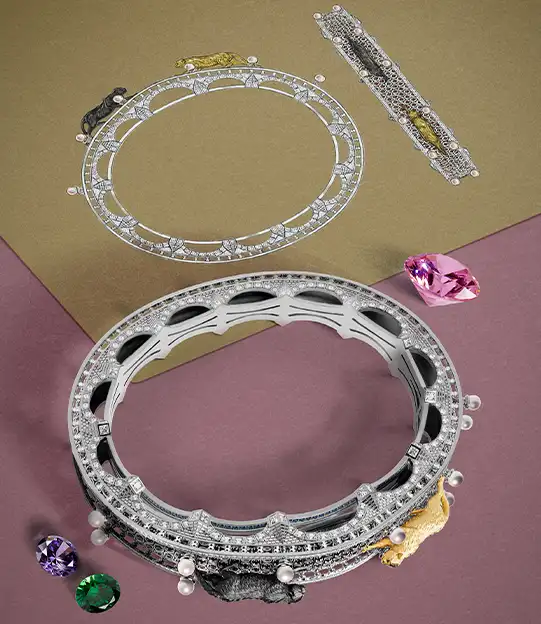
The machine and industrial age has influenced jewelry designs, but not in a negative way, as one might think. In fact, Art Deco is considered a very geometrically oriented and sometimes even precise style, and technology played a huge role in that. Delicate platinum structures were often encrusted with diamonds, yet artisans often managed to give not a delicate, but bold impression to their works.

Lacloche, Art Déco Egyptian-style bracelet. Photo courtesy of L’École School of Jewelry Arts.
Global and international influences played a great role in the Art Deco style. Asian, Indian, African, and Persian designs have been known in European jewelry even earlier than the start of the 20th century, and the discovery of Tutankhamun’s tomb in 1922 drew massive attention to Egyptian motifs. Combinations of red, black, and white created sharp contrasts, necessitating the use of black onyx, red coral, and white diamonds.
Visually, you can easily recognize Art Deco stepped pyramids, zigzags, sun rays, and concentrical circles. The most popular materials included diamonds, onyx, and red coral. Colorful gems like lapis lazuli and jade, as well as rock crystal were used by artisans to create a dramatic effect. The stones had emerald, baguette, and step cuts to make them look even more transparent and clear. Artists strived to include some moving elements into their pieces: a flexible branch with a floral motif, a pendulum, or a trembling wing of a butterfly.

Tree and bird brooch, Mughal style, Cartier, c. 1935. Photo courtesy of L’École School of Jewelry Arts.
Some of the brands that pioneered Art Deco, especially its geometric motifs, were Cartier, Tiffany & Co., Van Cleef & Arpels, and Boucheron. Designers Raymond Templier and Jean Fouquet were representatives of stark modernism, while Georg Jensen worked in the style of Scandinavian minimalism.
The Art Deco fashion also reflected changes in the state of the world economy. Natural diamonds and platinum were the most affordable during the 1920s. But after the 1929 Wall Street crash, yellow gold became the most popular jewelry material because of its price. Jewelers started to respond by making bolder bigger designs with colorful contrasts. Furthermore, they got to use different materials besides metals and gems (even plastic), proving that the economic crisis is not an excuse for not creating exquisite pieces.
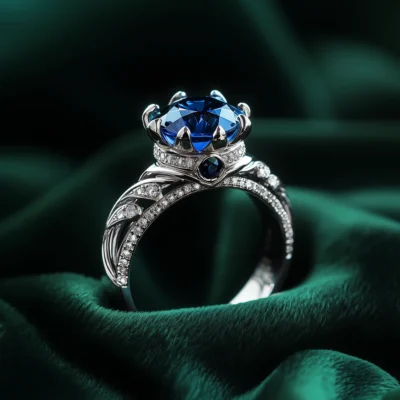
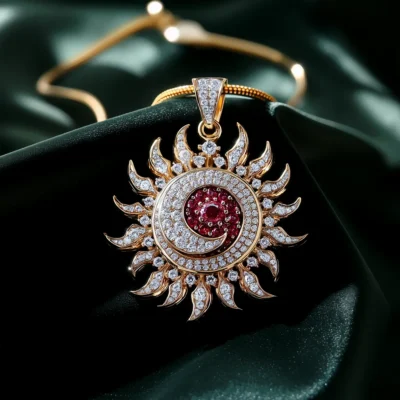
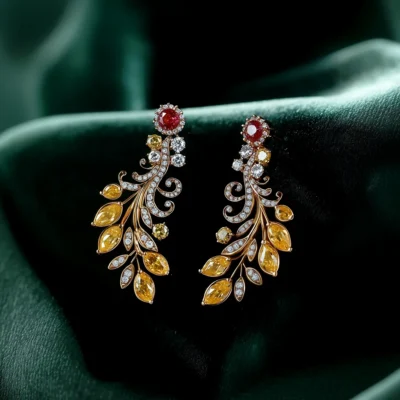
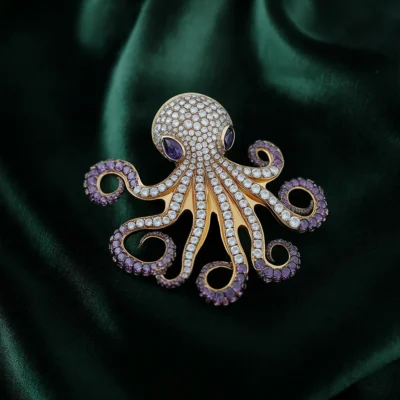
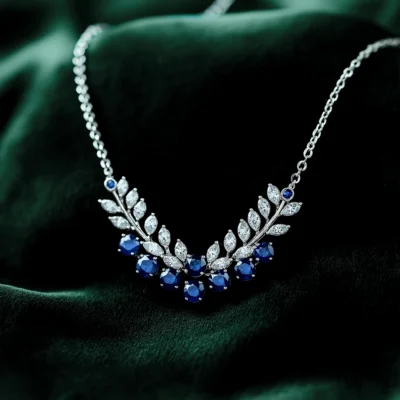
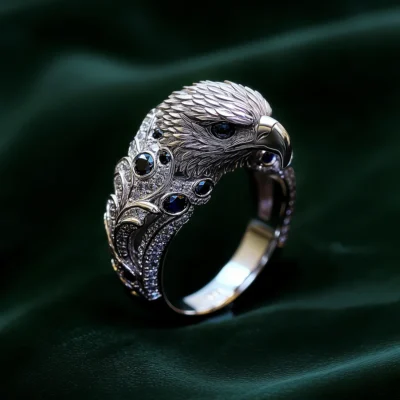
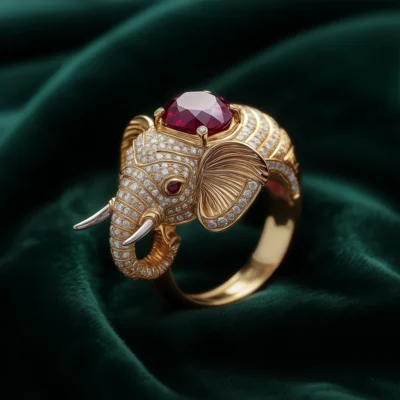
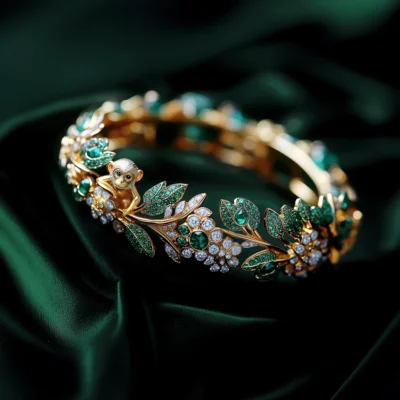
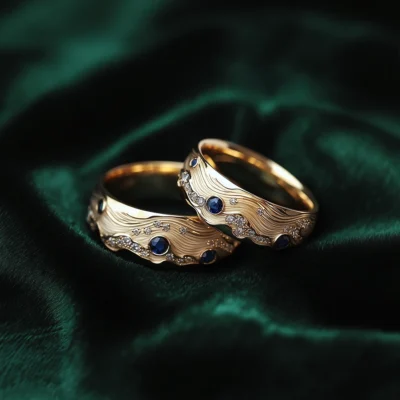
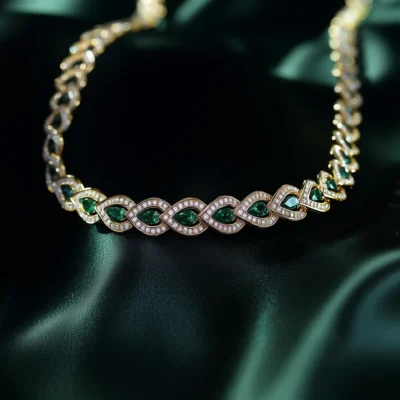
Art Deco’s accessibility makes it one of the most democratic artistic styles. As curator Mathieu Rousset-Perrier says, it was the first style in history that got popular among all the strata of society. According to jewelry historian Vivienne Becker, this style is strongly connected to freedom, in particular, women’s freedom or feminism.
Thus, Art Deco pieces reinterpreted ornaments as a kind of symbolic language. It represents bold craftsmanship, technological undertones, and a patchwork of different styles that feel fresh and new even now. Although the era of jazz is over, Art Deco never really went out of style.