


What started out as a challenge to the traditional diamond industry has quietly ended. De Beers, one of the most well-known brands in luxury jewelry, has officially announced the shutdown of Lightbox, its lab-grown diamond brand, which started off as a promising company 7 years ago.
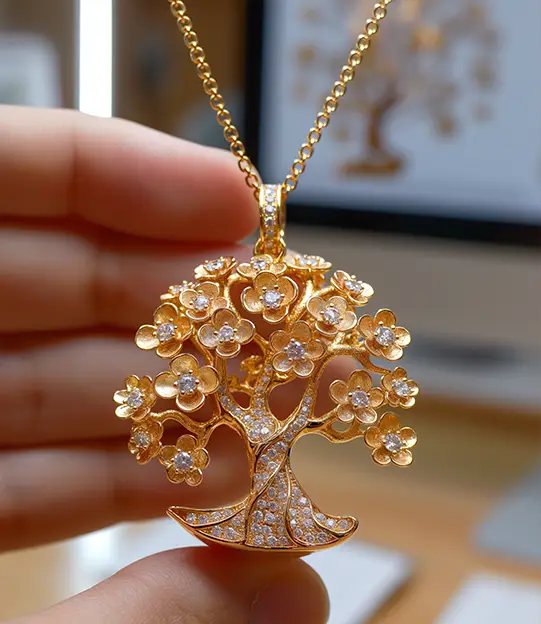
Originally, Lightbox came on with a revolutionary plan to produce premium-quality synthetic diamonds at a set price of $800 per ct. This stood in stark contrast to the mysterious air surrounding natural stones and sounded quite refreshing. It seemed for some time that Lightbox might change the rules of the game in high-end jewelry sector.
Unfortunately, the brand didn’t manage to keep its spark going despite such an early momentum. The modern jewelry market is full of low-priced diamonds, thus, wholesale prices for artificial gems went down by a whopping 90%, a catastrophic percentage for Lightbox. What was once considered to be unique became something of a given. Nowadays, hundreds of American stores are selling jewelry made of fake diamonds at very reasonable prices.

Photo courtesy of De Beers Group
Al Cook, the head of De Beers, said, “Lightbox has helped to highlight the key differences in value between these two stone categories, however, we predict that the prices of lab-created gems in the industry will continue to drop even more.“
Today, De Beers is looking into selling what’s left of Lightbox’s assets and facilities. This is aligned with De Beers’s bigger “Origins Strategy,” which aims to make its processes simpler and more streamlined, as well as return attention to where the company really shines at (in all meanings of the word) – rare, high-margin natural diamonds.
However, synthetic gems are just “changing lanes” and not being totally abandoned, as someone may wrongly think. The Element Six, which previously manufactured stones for Lightbox, will from now on focus on industrial uses. De Beers plans to increase output at its cutting-edge facility in the western part of the US and collaborate with purely technical industries like quantum computing, optics, and semiconductors. Remarkably, the Element Six has more than 69 years of experience in the diamond production industry and only continues to improve its expertise.

The shutdown of Lightbox brings into light the big picture in the jewelry market. Artificial diamonds were once considered a contemporary and affordable substitute for real ones, but their perceived value got manipulated because of the pricing war. De Beers places more attention on the classic mined diamonds, which are hard to source and give a sense of uniqueness. According to the company, their lab-grown substitutes have a different future, one which is guided by science rather than sentiments. The discoveries that were once used in the jewelry field are now being used more and more in technology. This means De Beers can reorient its operations in the nearest future to also suit the needs of technical giants rather than only the demands of the jewelry market.