











How Pendant and Chain Styles Come Together in Custom Necklaces
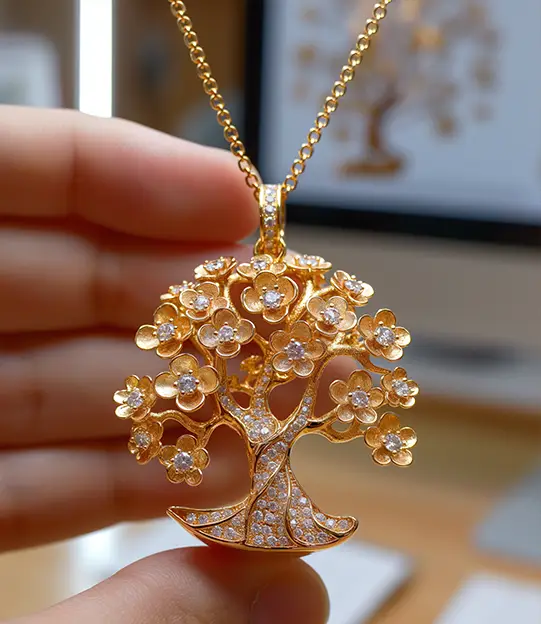
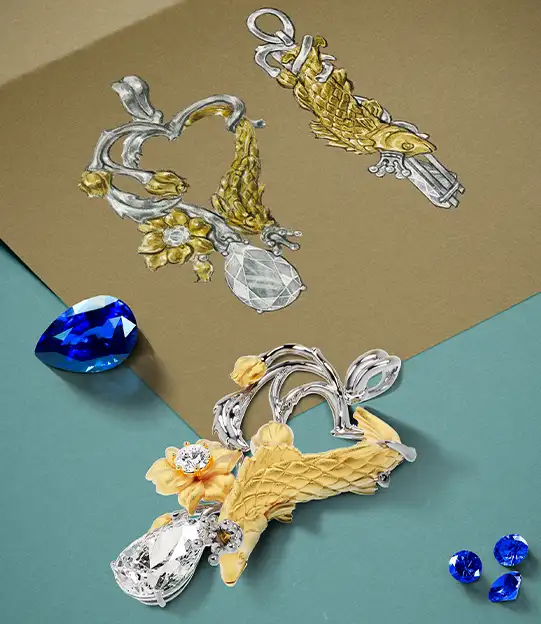
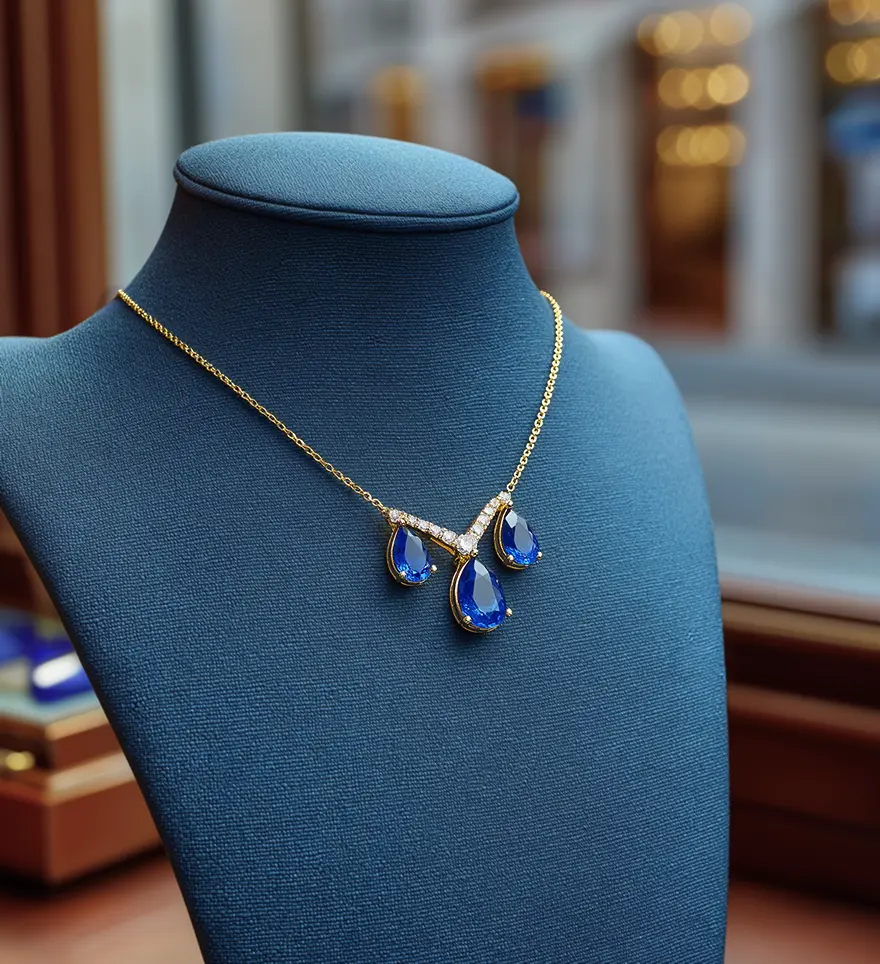
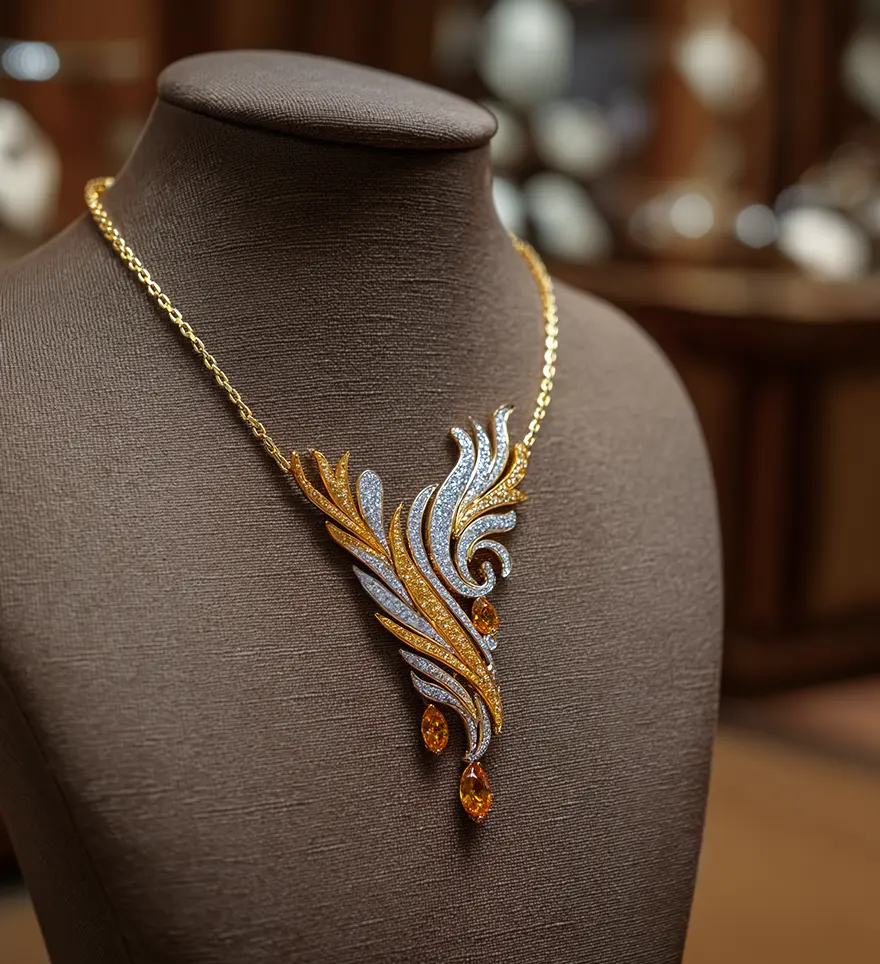
A pendant and its chain (and any additional chains or design elements) should be designed as parts of the same composition, rather than as two separate choices. The chain’s link pattern, visual weight, and proportions all influence how the pendant looks and how the overall design comes together.
A necklace influences how the neckline is framed, how a garment’s cut is accentuated, and the mood of the entire look. For example, the necklace could be a subtle accent, the focal point of an outfit, a dainty line or a bold statement.

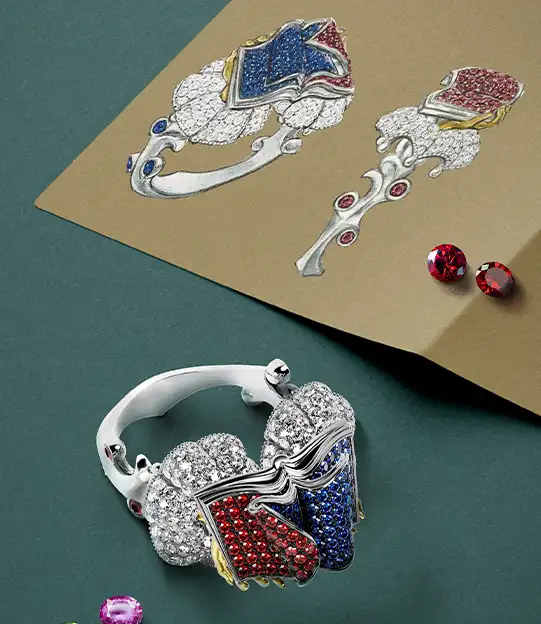
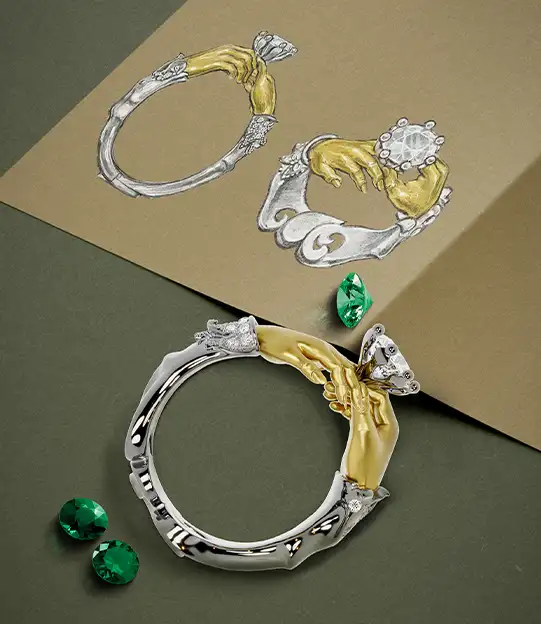
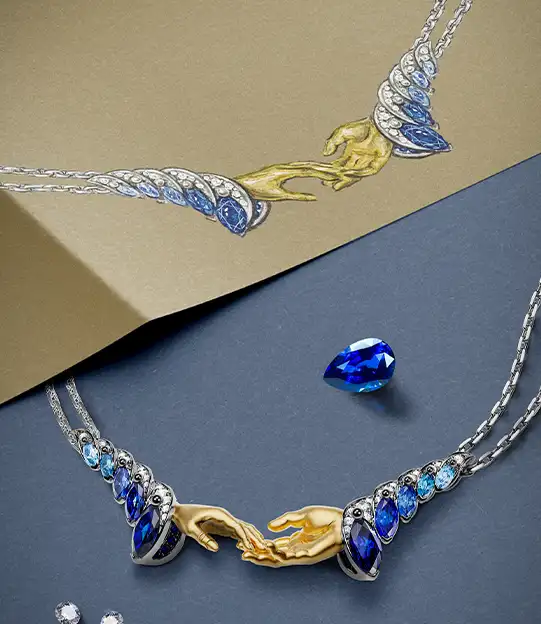
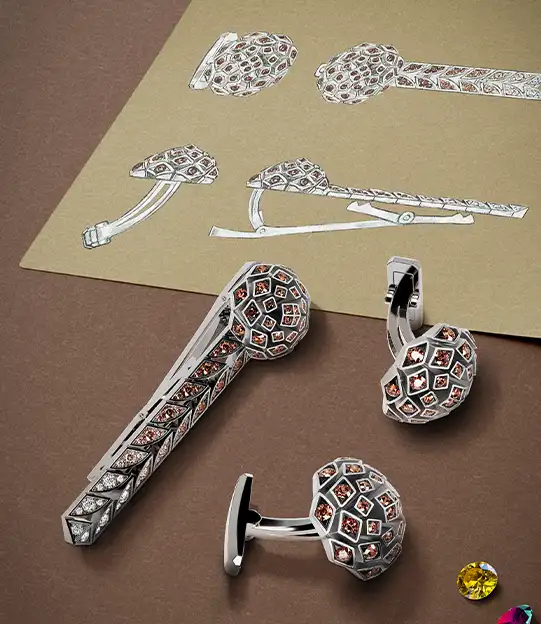
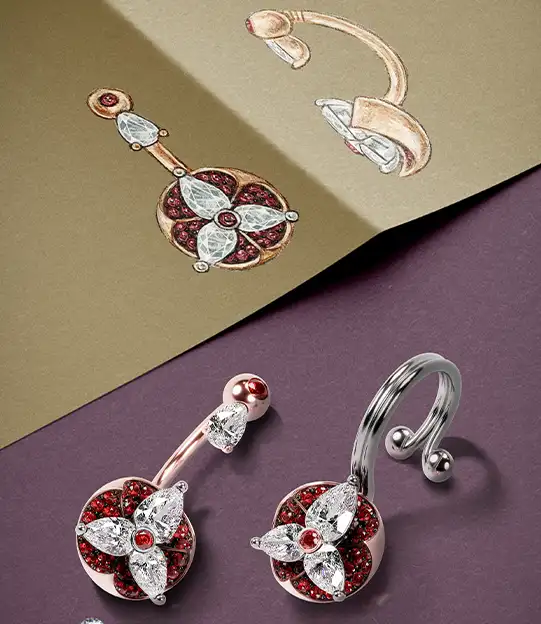
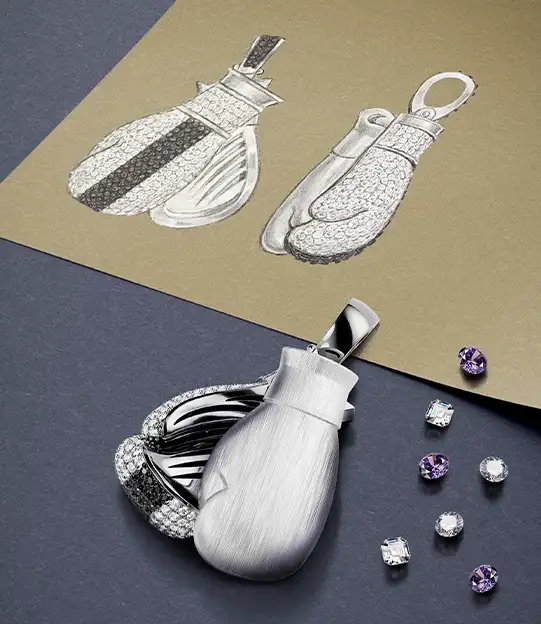
Eternal Grace: Custom Necklace Design Sketch
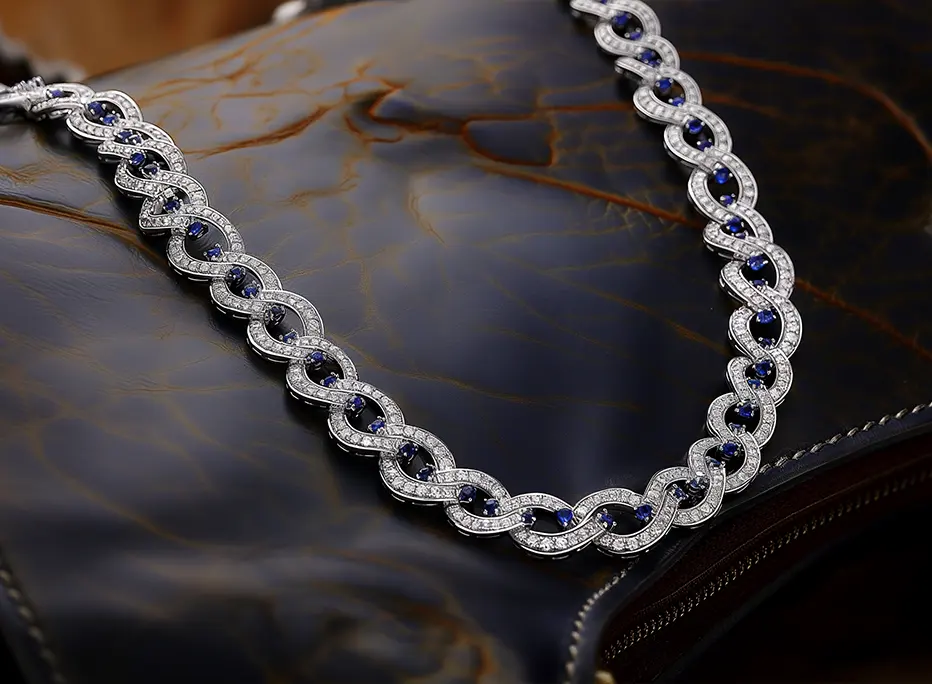
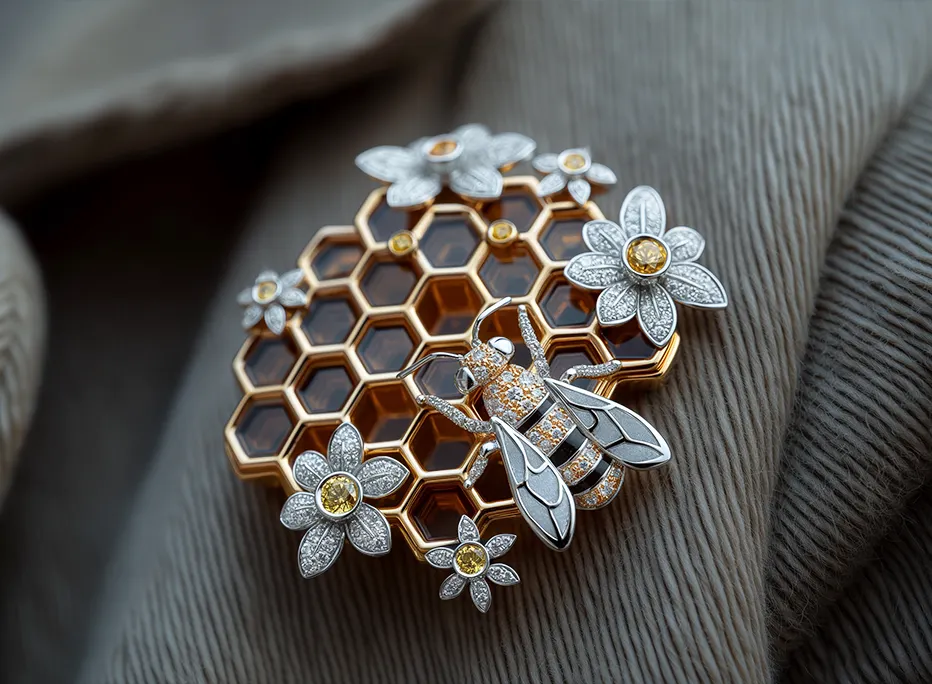
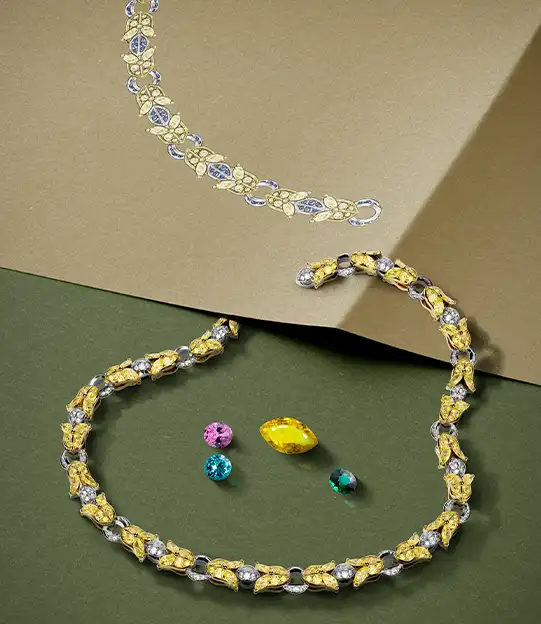
The design may center around a key element, such as a pendant, a specific gemstone, or a particular shape. Alternatively, it may develop through a sense of rhythm, created by repeating motifs, gradual transitions in gemstone colors, or alternating shapes along the length of the necklace. A pendant may also incorporate a small detail of personal significance, which can guide the choice of a chain that complements its shape and style.
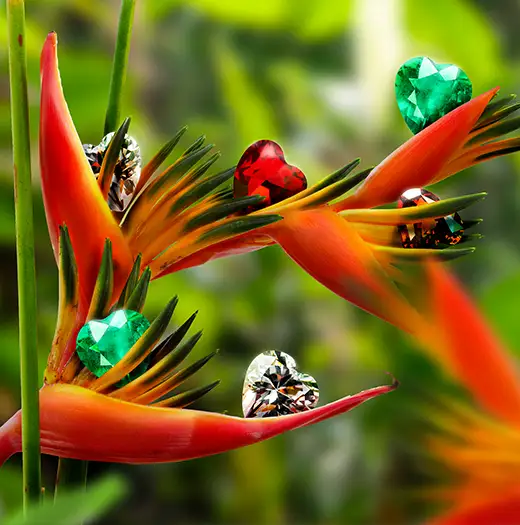
Additionally, a custom necklace may be developed as a flexible system – with a primary chain and secondary elements that can be added, removed, or changed. Different design approaches and a wide range of natural and lab-grown gemstones make it possible to develop a necklace for everyday wear or turn it into a more elaborate custom necklace for special occasions.
When working with each customer at Olertis to develop their custom necklace, we consider their height, neckline style, type of clothes they normally wear (or plan to pair with the necklace), their everyday or formal style, the necklace’s overall scale, and their budget. We also pay attention to how it should sit on the chest.
Rather than offering a catalog of mass-produced necklaces, we focus on designing an individual piece that complements the person wearing it. You can get started by sharing a written description of your ideas, sketches (even rough ones), AI-generated images, reference photographs or anything else that will help us establish a direction for your custom necklace design.
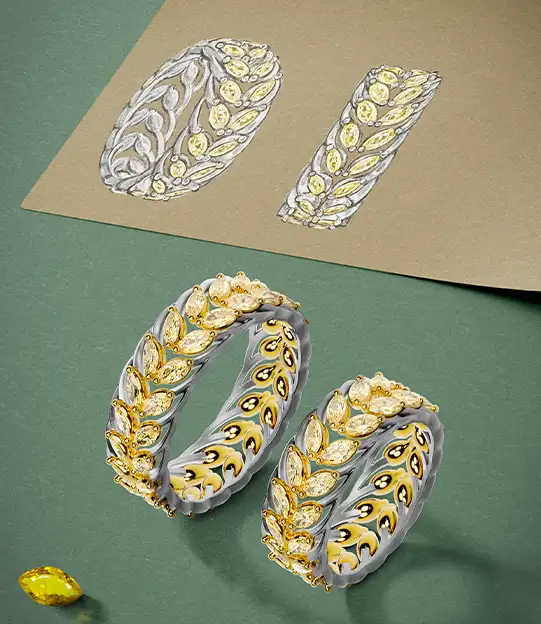
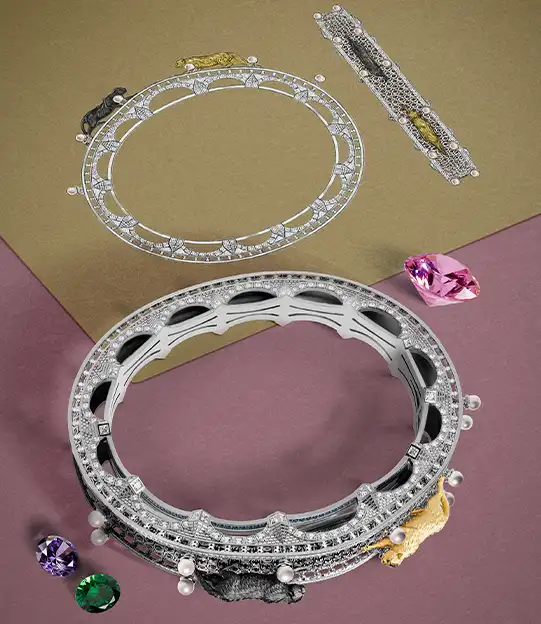
Necklace Length and Layering Visualized Through CAD
In layered necklaces, even a single inch can significantly change where the layers interact with each other—and whether the layers complement one another or compete for space.
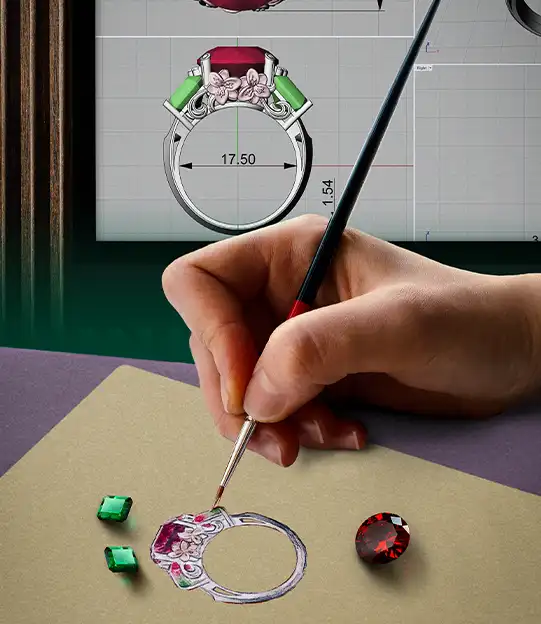
After selecting the overall design of the layered necklace, 3D CAD modeling allows us to visualize how all elements of the full necklace work together, including chain length, placement of central design features, and the spacing between multiple strands or other decorative details. Thus, evaluating the balance of the overall composition becomes much simpler before moving into production.
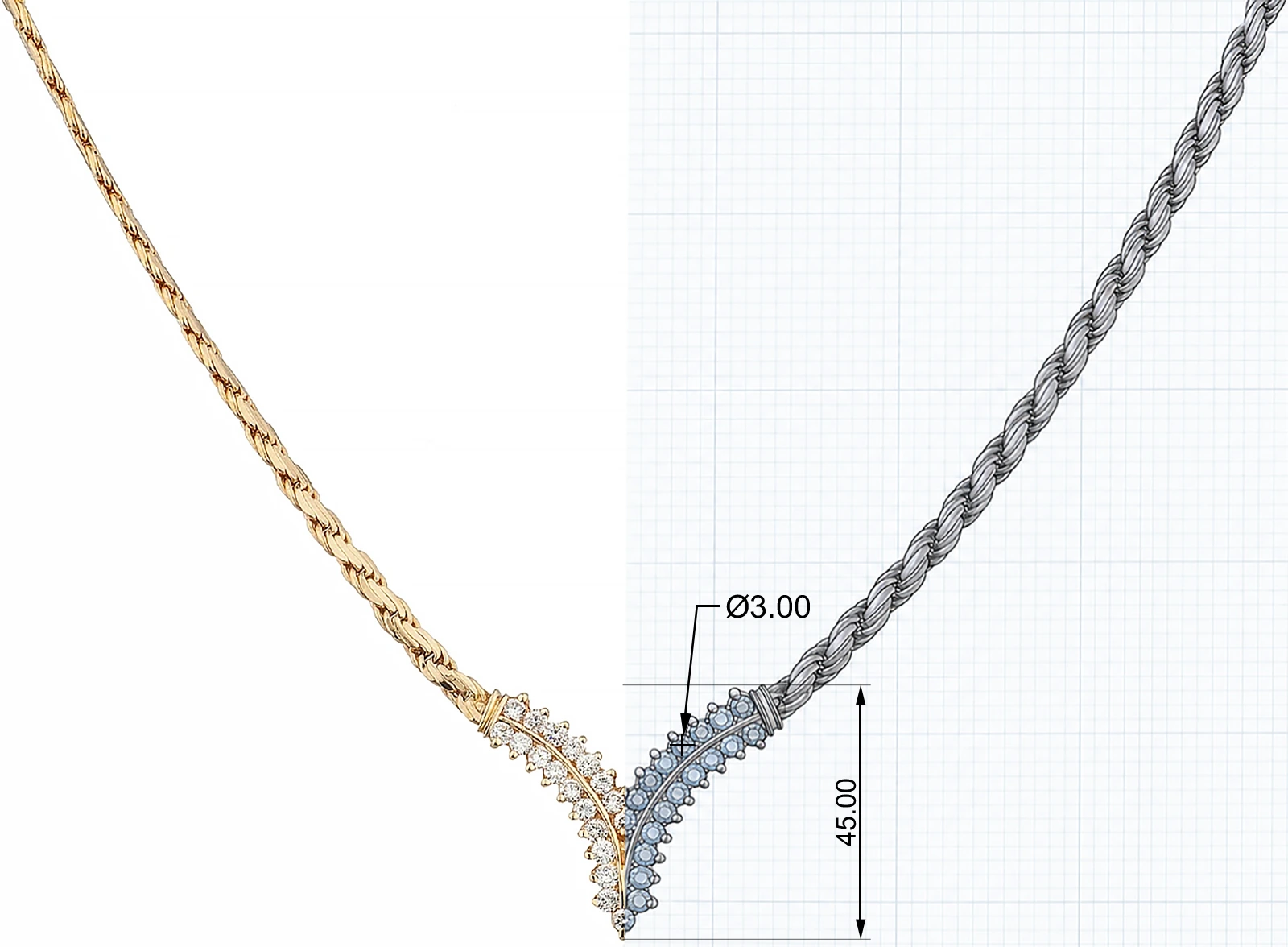
One of our biggest challenges is ensuring that the selected chain lengths, link widths and lengths, the number and arrangement of pendants, and other decorative elements do not conflict visually with each other, do not overlap unintentionally or create unnecessary clutter when assembled. Even when each component looks appealing on its own, the proportions may not work when several elements are combined.
First, we determine how all the elements of the final composition will be constructed, taking into account the overall length of the necklace, connection points between elements, and the structure of individual components. This helps to ensure that it can be manufactured as originally envisioned. Based upon these specifications, we provide photorealistic 3D renderings of the necklace in its planned configuration, enabling you to review the necklace design and arrangement of its elements before production begins.
Custom Necklace Assembly Brings Chains, Pendants, and Findings Together
Even small components can greatly influence the functionality and appearance of jewelry. Each connection must be secure enough to carry its intended load without disrupting the necklace’s aesthetic.
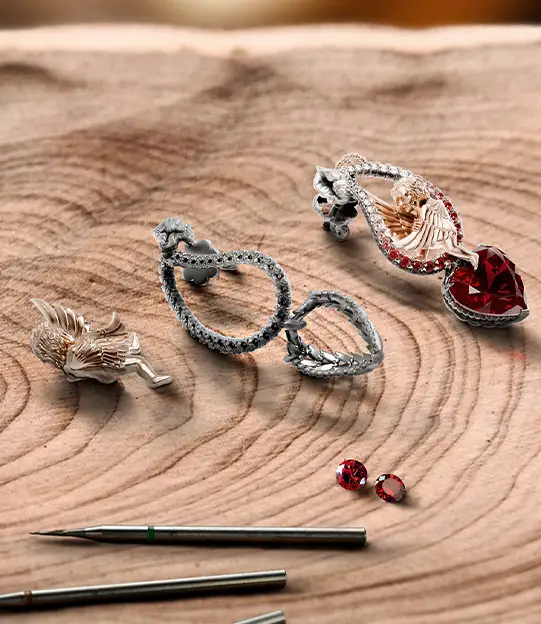
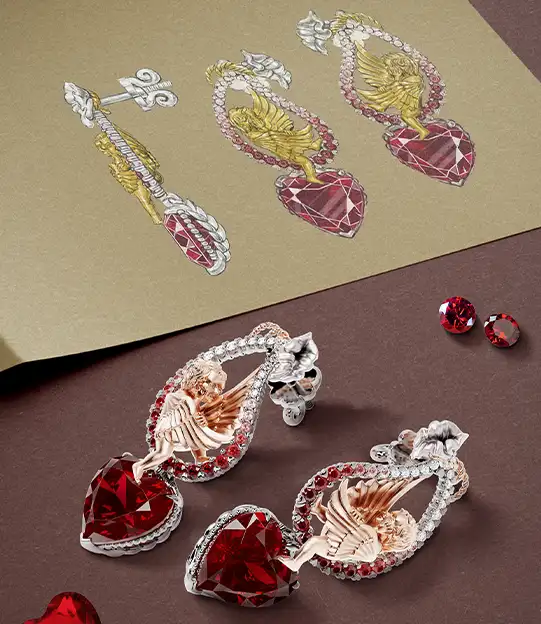
Following approval of the CAD model, we produce precision 3D-printed patterns for investment casting of each custom component in gold or platinum, using vacuum casting technology. Next, we assemble the chain, pendants, findings, and decorative details to form the finished composition. These components must do more than simply connect; they are developed to function together as a single, carefully designed necklace.
The biggest challenge often lies in the small but numerous connections. All jump rings need to be properly closed, and end rings as well as other connectors must be strong enough to bear loads imposed on them without interfering with adjacent components moving freely. A poorly formed or weakly attached connector can cause part of the necklace to detach and be lost. Similarly, if a chain or connector cannot withstand the load imposed by its pendant (or does not match the design in style or thickness), it may compromise the composition and increase the risk of breakage or loss.
We assemble and inspect each custom necklace in stages. First, we address any issues with individual connections; next, we assess how the fully assembled composition moves and sits when worn. We approve the finished necklace only after this overall inspection. Our warranty covers qualifying workmanship defects in assembly and stone setting, subject to our warranty terms.

The finished custom necklace should preserve the character of the original idea, with every aspect of its design and construction reflecting that vision in a piece created specifically for its wearer.