

Which Metal Do You Recommend for Daily-Wear Jewelry, and How Does It Affect Cost and Durability?

Best Metals for Daily-Wear Custom Jewelry: Durability Guide
When designing custom jewelry, the goal is for it to feel like a natural extension of your everyday life, something you wear confidently without worrying about scratches or dulling. When customers come to Olertis to create custom or bespoke jewelry, many of them already know exactly what design they want. However, they may be unsure of what metal would endure everyday wear, maintain its beauty and be within their budget. Choosing the right metal is more than just a technical decision, it’s the foundation for your jewelry’s durability, comfort, and long-term value.
Metal Selection Chapters
Why Metal Choice Matters for Daily Wear (Durability + Comfort)
Many of our American customers ask which metal is best for everyday wear, one that’s beautiful enough for a milestone piece, yet durable enough for an active lifestyle, especially for those searching for the best metal for an everyday engagement ring. Each metal affects the way your jewelry appears, the way it ages, how often it needs to be serviced, and how much it will cost now and in the years to follow.
At Olertis, we carefully select the metal and alloy purity for each individual custom jewelry project based upon the design, structural load, type of stone setting, your lifestyle and amount of time the jewelry will be worn. Our goal is to assure that your personalized jewelry remains both beautiful and reliable for years to come, and not simply for the first year, especially when you expect truly durable custom jewelry.

Metal Durability Comparison for Everyday Wear
- 10K & 14K Gold — The Best Everyday Wear Balancing Act
The gold alloys used in these two metals are harder than those of the higher karat gold and resistant to scratching. 10K, containing the least amount of gold of all the gold alloys, is the hardest and most scratch-resistant gold alloy. However, 10K is also the most brittle of the common gold alloys, so thin 10K bands can still bend under stress and, under extreme loads, may fracture more readily than 14K. 14K provides a balance between comfort and strength, which makes it the most commonly chosen metal for everyday custom jewelry in the United States. - 18K Gold — Luxury Appearance and Less Scratch Resistant
Higher purity equals lower hardness. 18K is softer (lower hardness), not less dense, and for that reason it wears more quickly than lower-karat gold, especially on daily-worn pieces like rings and bracelets. For those who want a luxurious look and are willing to properly care for their jewelry, 18K gold is an excellent choice. - Platinum — Best Metal for Stone Security
Platinum’s density and molecular structure provide it with superior structural integrity and enable it to securely hold stones. When scratched, instead of losing metal (as do gold alloys), platinum disperses metal and forms a natural patina. For customers who need to secure heavy stones, tension set stones and/or wish to wear their jewelry daily for years to come, platinum is an excellent option. While platinum may scratch more easily than 14K or 18K gold, these surface scratches do not weaken the ring. - Silver (Sterling, 925) — Soft, Tarnishes Easily
Silver is prone to scratching and reacts with moisture, air, and cosmetics resulting in tarnishing. Many people ask whether it’s safe to shower or sleep in silver jewelry. While it is possible, doing so greatly increases the risk of tarnishing and accelerated bending or warping over time due to silver’s softness. Sterling silver is best for occasional wear and not recommended for those wondering should I sleep with my jewelry on. - Palladium — Lightweight Durability
Palladium has a similar structural integrity to platinum but is lighter in weight. Palladium retains its white color and develops micro-scratches similar to platinum, without losing metal. Hypoallergenic and durable, palladium is an excellent choice for long-term, everyday wear.
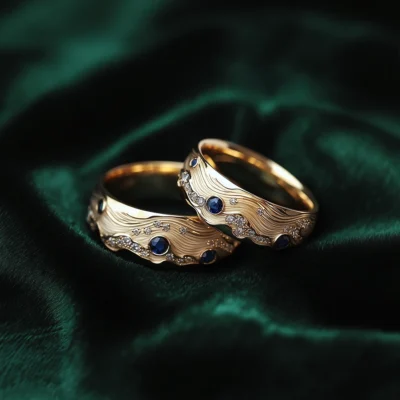
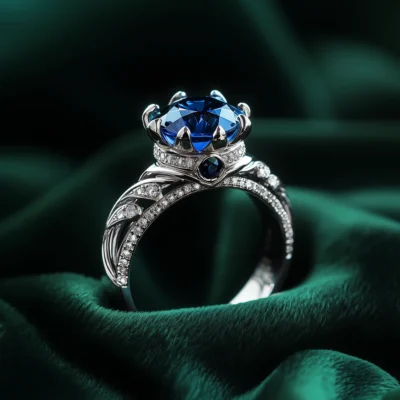
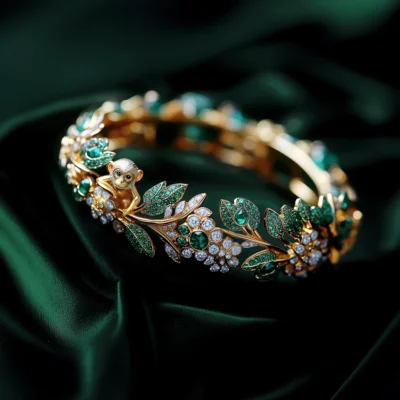
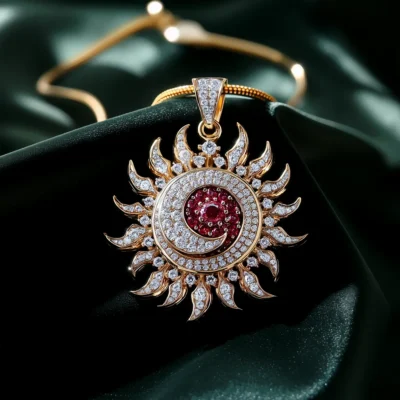
Metal Costs Explained: Upfront Price vs. Long-Term Maintenance
Platinum is generally more expensive than gold as it is heavier in weight and its fabrication time is longer. Although platinum is often priced lower per gram than pure gold, a platinum ring typically weighs 30–40% more than a gold ring and platinum fabrication takes 20–30% longer. Platinum requires more bench time because it behaves differently under heat and needs specialized tools. While platinum does not require rhodium plating, polishing and repair costs tend to be higher than for gold.
White gold is typically priced lower than platinum but requires rhodium plating every 12–24 months, which costs between $60–$120, depending on the thickness and wear of the white gold.
18K gold contains 75% pure gold, which is approximately 28–30% more than 14K gold, making it more expensive per gram. Due to its lower hardness, 18K gold is softer and will likely exhibit wear sooner than 14K gold, increasing the potential for future maintenance.
10K gold (41.7% gold) and 14K gold (58.3% gold) provide the greatest structural support for customers who lead an active lifestyle and wear their jewelry daily. While 10K gold contains significantly less pure gold than 14K gold, this results in a harder metal that is more resistant to scratches and may need less future repairs. However, as previously mentioned, 10K gold is more brittle under high loads and may break more easily than 14K.
Palladium is generally priced less than gold today, though historically the price difference has fluctuated, such as during the 2020–2021 period when palladium prices were higher than gold. Palladium’s lower density allows for a lighter final product and lower initial cost.
To provide full transparency and protect against market fluctuations, Olertis locks in the price of the metal when your order is confirmed.
How to Choose the Best Metal for Your Custom Jewelry (Expert Tips)
When starting your custom jewelry project, we begin by taking into consideration your lifestyle:
- Will you wear the jewelry daily or on occasion?
- Do you shower, exercise or sleep with your jewelry on, especially if you wonder whether it is safe to shower with gold jewelry?
- Are you allergic to nickel?
- Is your daily routine active?
- How much maintenance are you willing to do?
- Are you looking for a specific aesthetic (soft, white, yellow)?
We typically recommend 14K gold and platinum for the most active lifestyles that require daily wear. If you prioritize luxurious color and handle your jewelry gentle, 18K is a great choice. For those on a tighter budget who wear jewelry rarely, sterling silver may be an option. However, we outline the clear care guidelines for silver jewelry. For hypoallergenic needs, platinum and palladium are among the safest choices available in the American market.
All metal recommendations are clearly outlined in our Terms of Service, so you can understand how your metal choice impacts durability, long-term care, and overall cost.