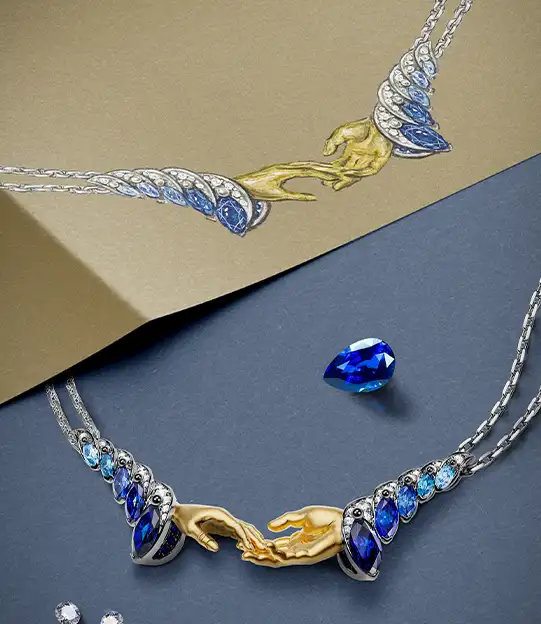
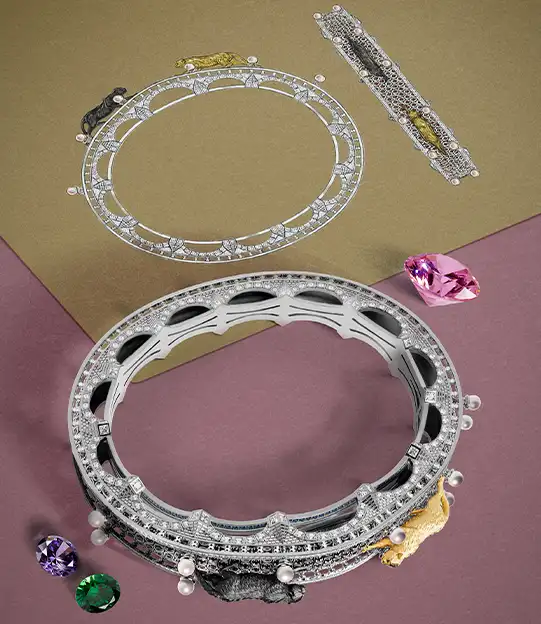
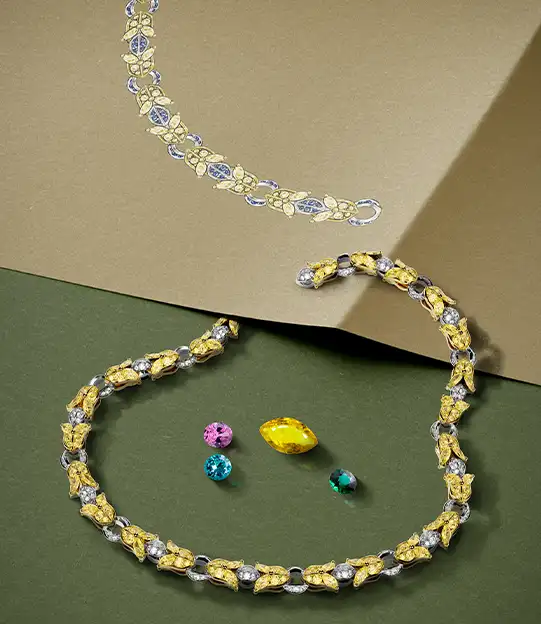
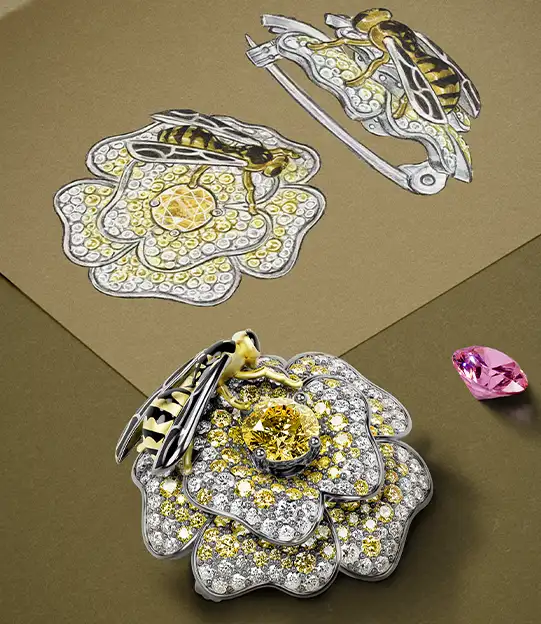

How durable is the jewelry? Can it handle sports, sleep, and daily showers?

Jewelry Durability Guide
Your custom jewelry is a part of your life – not just something you put on to go out. Many of our customers have invested in Olertis made-to-order jewelry as a part of their everyday wear, working out with a customized piece, taking it into the shower, or even wearing it to bed with their wedding ring. So, when we say that we get asked about this daily, and when a client spends money on a handmade item, they want to know if it will last for years, we’re not being dramatic.
Everyday Jewelry Care Navigation
Why Jewelry Durability Matters for Everyday Wear
In the United States, most people who buy premium bespoke jewelry, and particularly, high-end items made from gold, platinum, or other precious metals, want to know if they can wear it all the time: during their workouts, during their sleep, during their showers. Many clients specifically ask whether it is safe to shower with gold jewelry and whether they should sleep with their jewelry on. And there’s good reason to ask that. A custom-made ring or pendant is not a cheap fast-fashion accessory; it’s a story in metal and stone, often bought with a significant amount of money.
As a custom jewelry company specializing in made-to-order fine jewelry, durability is part of the conversation regarding the design of each of our pieces from Day One. Clients want to be able to enjoy their personalized jewelry every day and then pass it down to their children or grandchildren years from now, and that’s exactly why understanding durability is important.
What Determines Jewelry Durability: Metals, Design, and Gemstones
- Metals →
First and foremost, the metal determines how long a piece will last. Pure gold is beautiful, but it is very soft and bends easily. Even 18K gold (which is 75% gold) shows more scratches than most people would prefer. Therefore, many jewelers (including us) recommend using 14K gold for everyday wear. 14K gold is durable enough to withstand scratches yet has the same rich appearance that pure gold does.
Platinum is significantly stronger than gold: it is naturally white, dense, and takes a long time to wear down. However, platinum scratches more easily but is structurally tougher overall, which is why it performs so well in long-term wear.
Palladium is appreciated by many in the US for being similar in strength to platinum, but weighing less and being hypoallergenic and comfortable for everyday use.
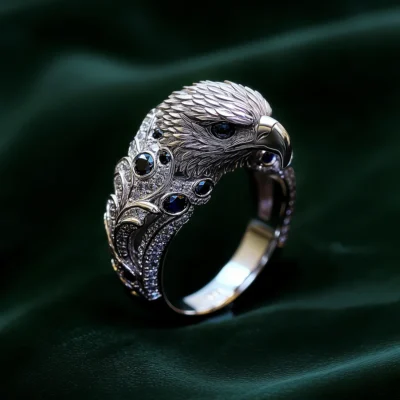
Sterling silver behaves differently from these three metals. It darkens quickly, reacts with sulfur in the air, with sweat, soap, and water, and needs regular cleaning to remain shiny. - Design →
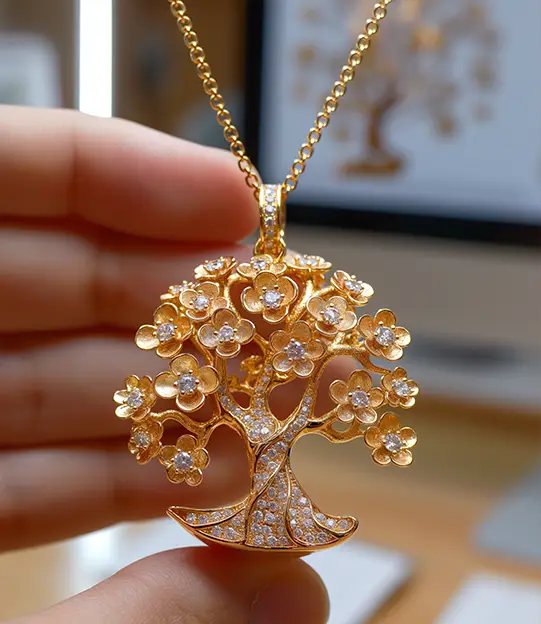
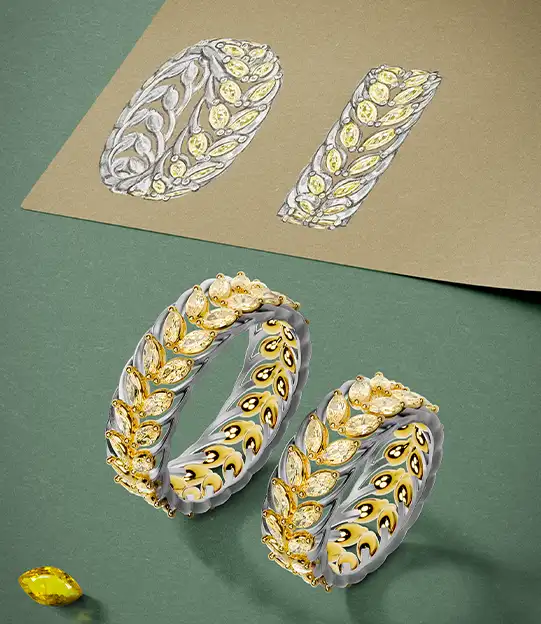
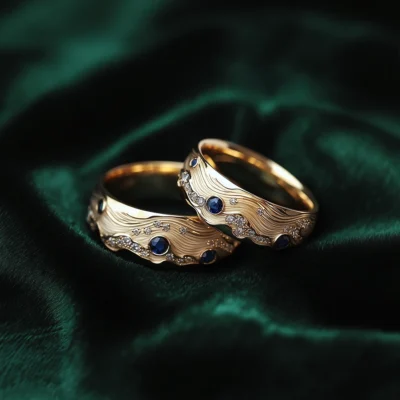
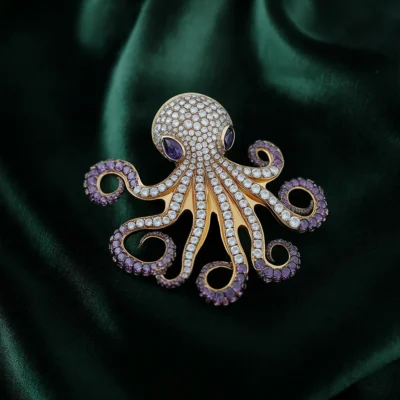
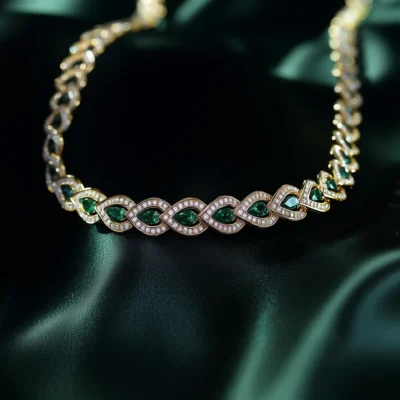
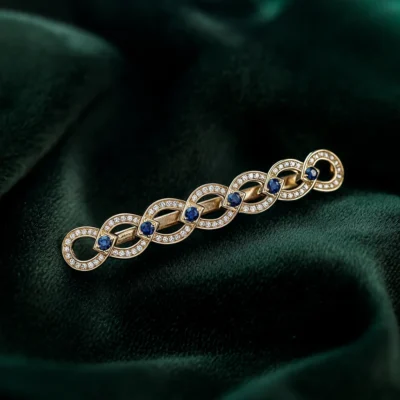
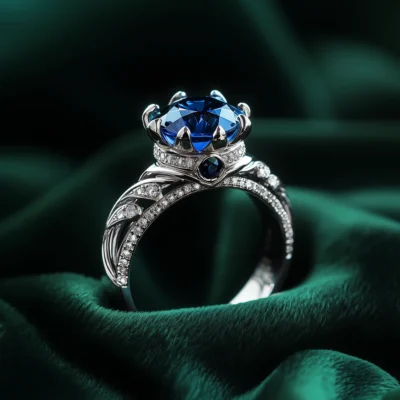
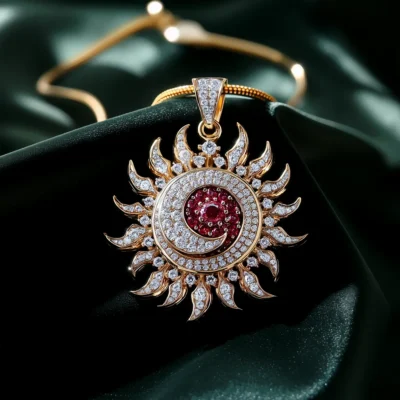
Design affects the durability of a piece just as much as the metal chosen. A simple band, smooth bezel, and well-designed chain can withstand the constant rubbing caused by everyday wear much better than a high-set center stone or a highly detailed pavé ring. Micro-pavé settings (stones 0.8–1.2 mm) have a luxurious appearance but contain many small prongs that can bend or come loose with extreme activity. Smooth bezel settings offer maximum protection for the stone and are ideal for active wearers. - Gemstones →
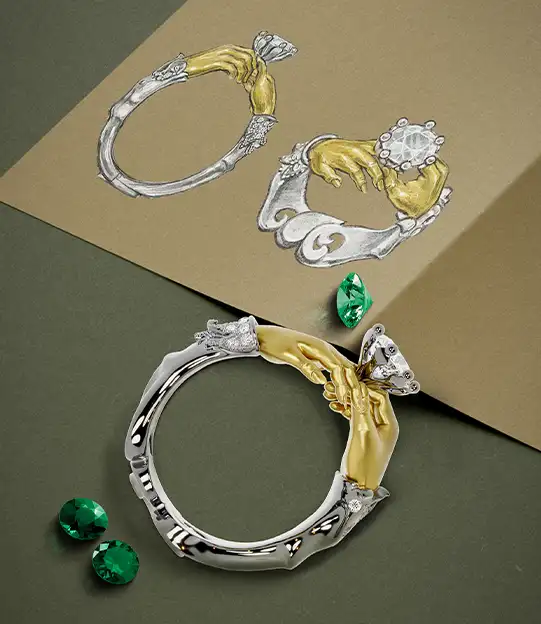
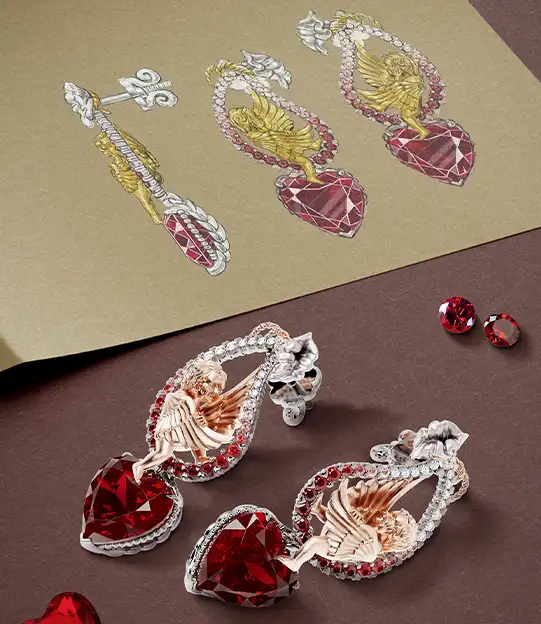
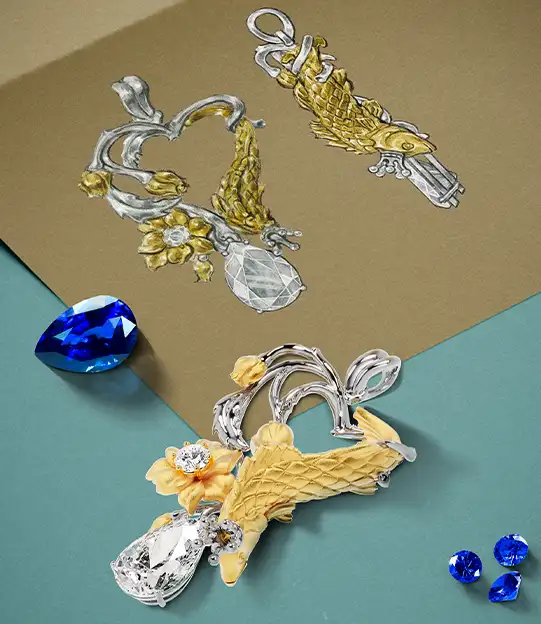
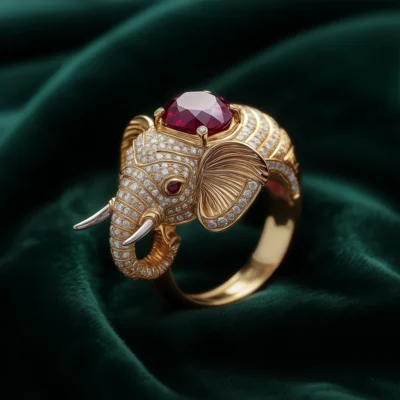
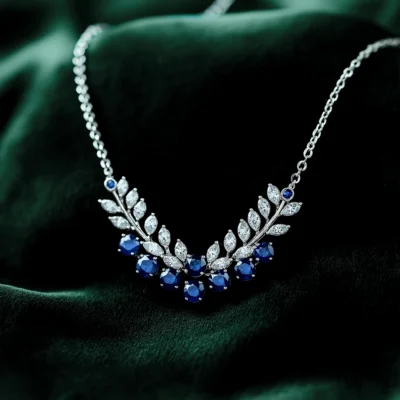
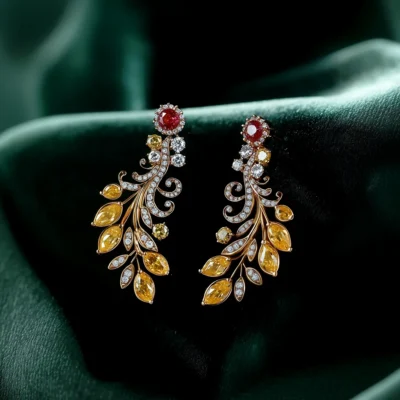
Gemstones are also vastly different in terms of their ability to withstand various types of damage. Diamonds, sapphires, and rubies (Mohs scale 9–10) can withstand shock, sweat, and changes in temperature extremely well — which is why they are used in many engagement rings that are worn 24/7.
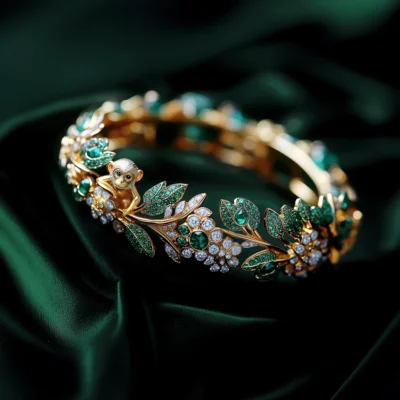
In contrast, emeralds, opals, pearls, etc. require much more care. While emeralds may be harder (Mohs scale ~7.5–8), they are brittle due to internal inclusions. Opals naturally contain water and are more sensitive to impact and drying, so they require gentle handling. Pearls are organic and react to perfume, sweat, and cosmetics.
While hardness is related to toughness, understanding the difference allows clients to select stones that fit their active lifestyle.
Jewelry Care in Showers and Water: Industry Guidelines
All major jewelry associations agree that solid metals such as platinum, palladium, and 14K+ gold can survive daily showers without immediate damage. However, “survive” should not be confused with “be unaffected.” The repeated use of toiletries can create a film of oils that dull the surface of the metal and can cause the small parts of a piece of bespoke jewelry (such as prongs and clasps) to weaken.
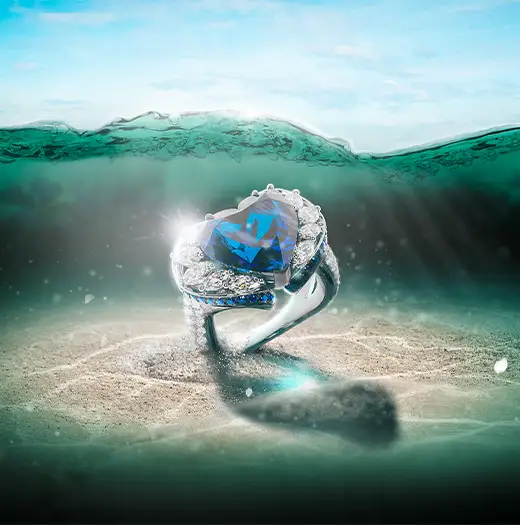
Chlorine and saltwater greatly accelerate the wear of jewelry. Chlorine is particularly hazardous for white gold alloys as it causes stress corrosion. This is well-documented in industry safety references.
Vermeil, gold filled, and gold-plated jewelry are more susceptible to water than solid metals as the gold layer wears away quickly and exposes the underlying metal to water.
While durable custom jewelry can withstand showers and daily routines, the long-term beauty of a piece ultimately depends on the frequency of cleaning and proper handling.
Jewelry and Active Lifestyle: Sports, Sleep, and When to Remove It
Engaging in sports puts physical pressure on your custom jewelry. Weightlifters encounter pressure points on their rings from the barbell. Contact sports can bend metal and dislodge stones. Activities such as rock climbing, gymnastics, CrossFit, etc. place noticeable stress on your jewelry, even high-quality metals are designed to handle only so much. Sweat contains electrolytes that promote corrosion of lower karat alloys and darken sterling silver faster.
There is ongoing debate about whether or not it is safe to sleep with your jewelry on. Some people have done so safely for years, particularly with platinum chains and smooth bands. However, the motion that occurs during sleep results in slow, cumulative wear. Bands catch on bedding, prongs catch on fabrics, and settings become loose over time. Chain stretching and breaking during sleep is a common problem, frequently discussed on many US jewelry forums.
If you go in swimming, traveling, lifting weights, or performing manual labor, it is generally safest to remove your personalized jewelry before engaging in those activities.

Olertis Recommendations: Everyday Jewelry Care and Maintenance
Since every piece of bespoke jewelry that leaves Olertis’ premises is custom-made and handcrafted, the advice provided by Olertis depends on the specific metal, setting, and stone selected. However, Olertis follows general guidelines for caring for fine jewelry:
- Pieces made from solid 14K–18K gold, platinum, or palladium with secure settings and hard stones can be worn regularly and, in many cases, daily as long as the client avoids harsh chemicals, chlorinated pools, and contact sports. Regular cleaning with warm water, mild soap, and a soft brush maintains the shine of the metal. We also recommend professional inspections once or twice per year to verify that the prongs, clasps, and settings remain secure.
- For pieces that feature intricate details or have stones that are inherently softer, such as emeralds, opals, or pearls, we recommend that the piece be treated as occasional-wear rather than 24-hour jewelry. Such materials warrant gentle treatment to preserve their appearance.
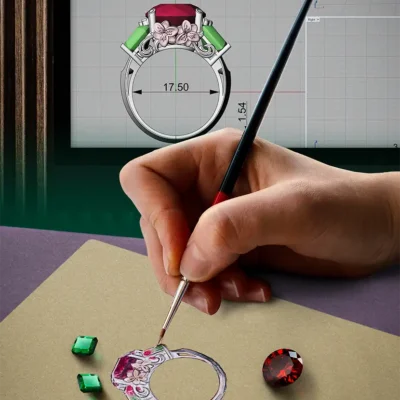
At Olertis, durability is always discussed during the initial design consultation. We consider the type of setting and structure required to meet the client’s lifestyle and activity level. We provide detailed instructions for the care and maintenance of your made-to-order jewelry and record these in our Terms of Service. This ensures that our clients fully understand how to protect their investment and how we support the long-term maintenance of their piece.