

Is it possible to order the same jewelry design again, and who retains the intellectual property rights?
Jewelry Design Ownership, Reproduction, and Client Rights
Losing a one-of-a-kind ring is painful enough, but worse yet is discovering that you do not have the legal right to recreate it. In the United States, the rights of a creator and the legal protection of a design are closely connected. It’s not simply paperwork — it’s a matter of protecting your rights.
At Olertis, we remove the uncertainty from the process so your next piece can be recreated with the same precision and confidence as your first.
IP & Reorder Guide
Reordering the Same Custom Jewelry Design Again
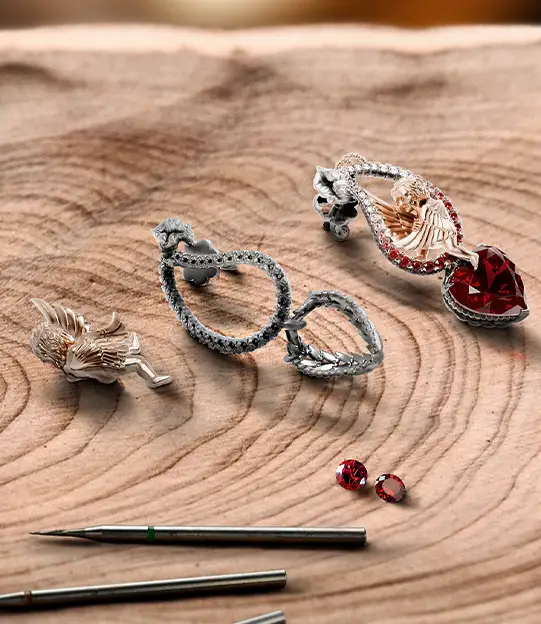
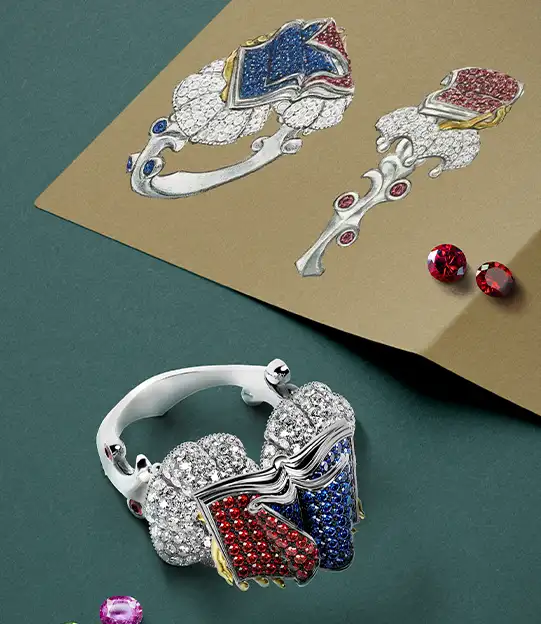
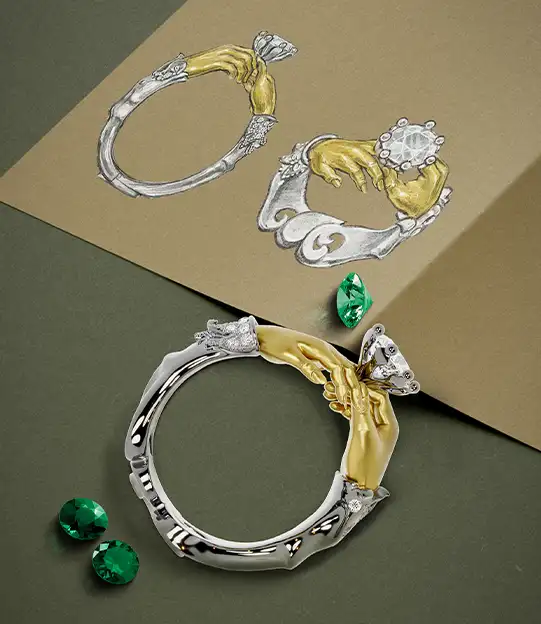
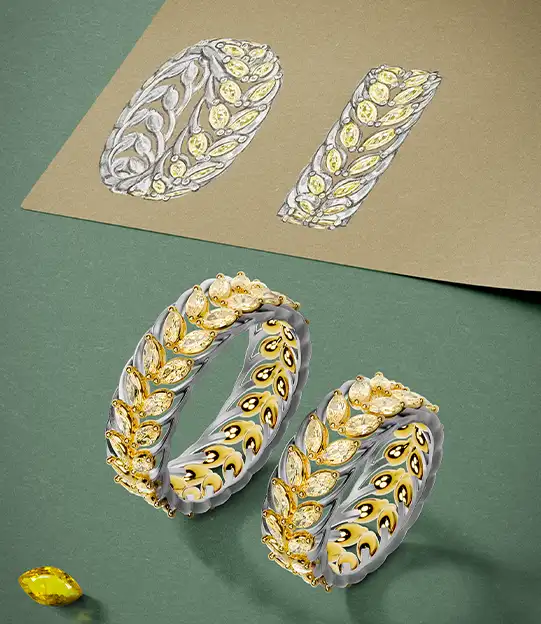
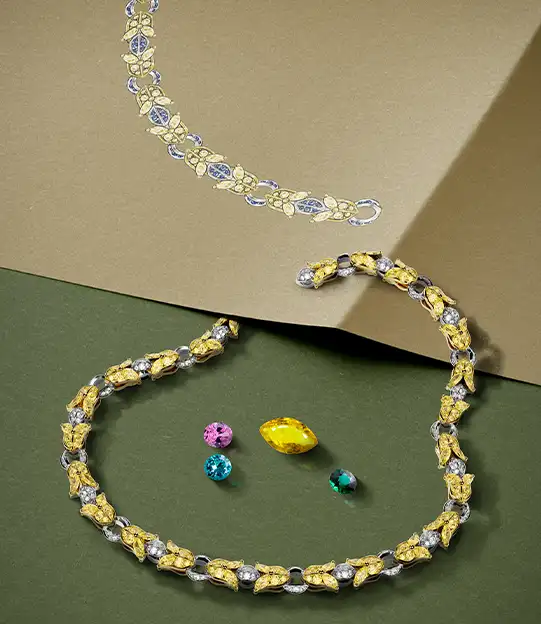
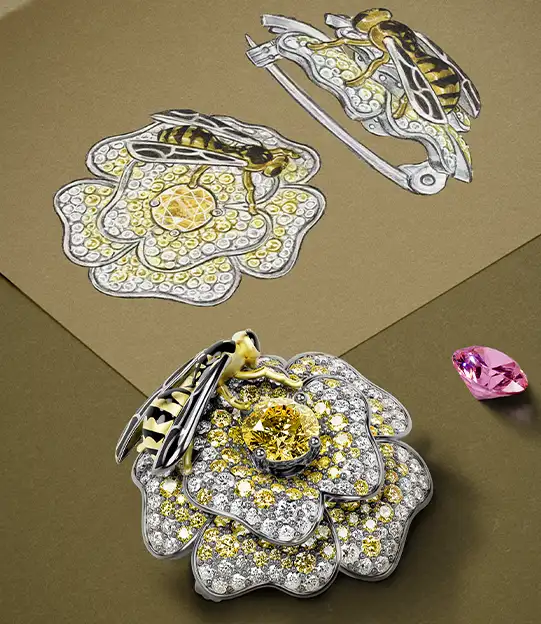
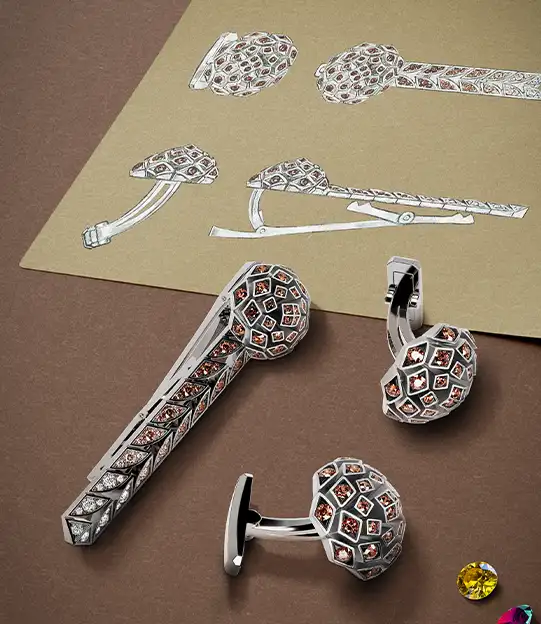
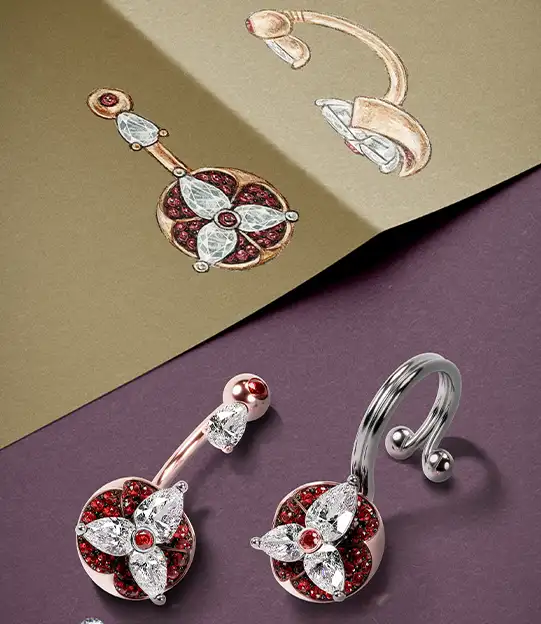
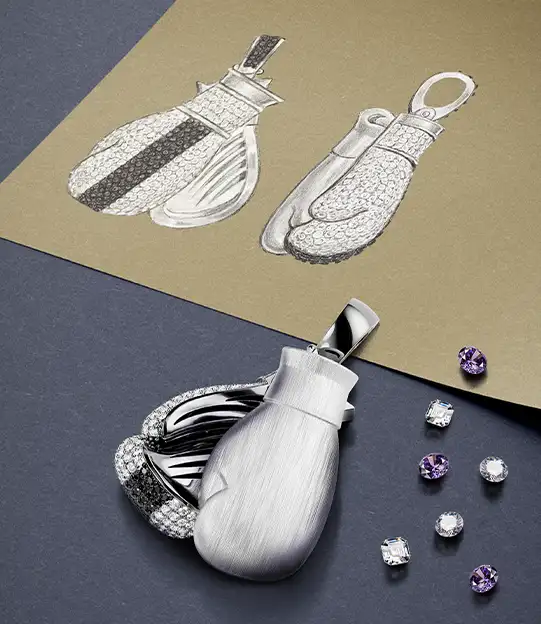
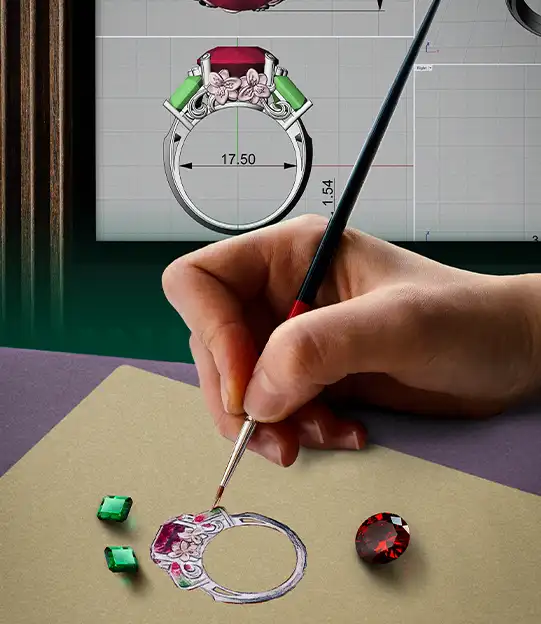
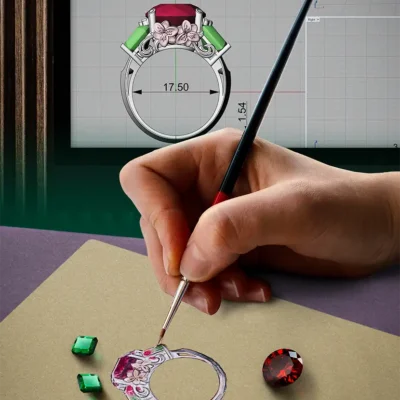
All professional custom jewelry projects begin with a 3D CAD model accompanied by detailed technical specifications. These specifications define the geometry, stone placement, tolerances, and structural parameters. At Olertis, we archive all CAD models and technical drawings for approximately 15 years from the date of the original order. This allows us to reproduce the exact same design even 15 years after your original order.
The pricing structure for repeat orders is straightforward once the initial design work is complete. The most costly aspects of custom jewelry — developing the design, validating its structural integrity, and testing the piece — have already been performed. When you reorder the same design, those tasks are no longer necessary — which results in reduced labor costs and preserves the uniqueness of the piece. In practice, a repeat order is typically 10% to 40% less expensive than the original — depending upon the complexity of the design, the number and quality of the stones, and the type of metal used.
Clients also value transparent pricing. Even with an existing CAD model, the final price of your jewelry may still be impacted by current market prices for precious metals, the availability of the stones, and the production schedule. While each piece remains custom, it is typical for repeat orders to take approximately 20% less time to produce than the original order.
A common client request is to order the same design in a larger or smaller size, especially for gifts or coordinating family pieces. If the design’s construction allows for resizing without a structural redesign, it is typically possible to resize the design.
How Jewelry Design Changes Affect Repeat Order Costs
Clients often ask whether they can order the same design with minor changes. The answer depends on whether the requested changes impact the engineering or load-bearing elements of the design.
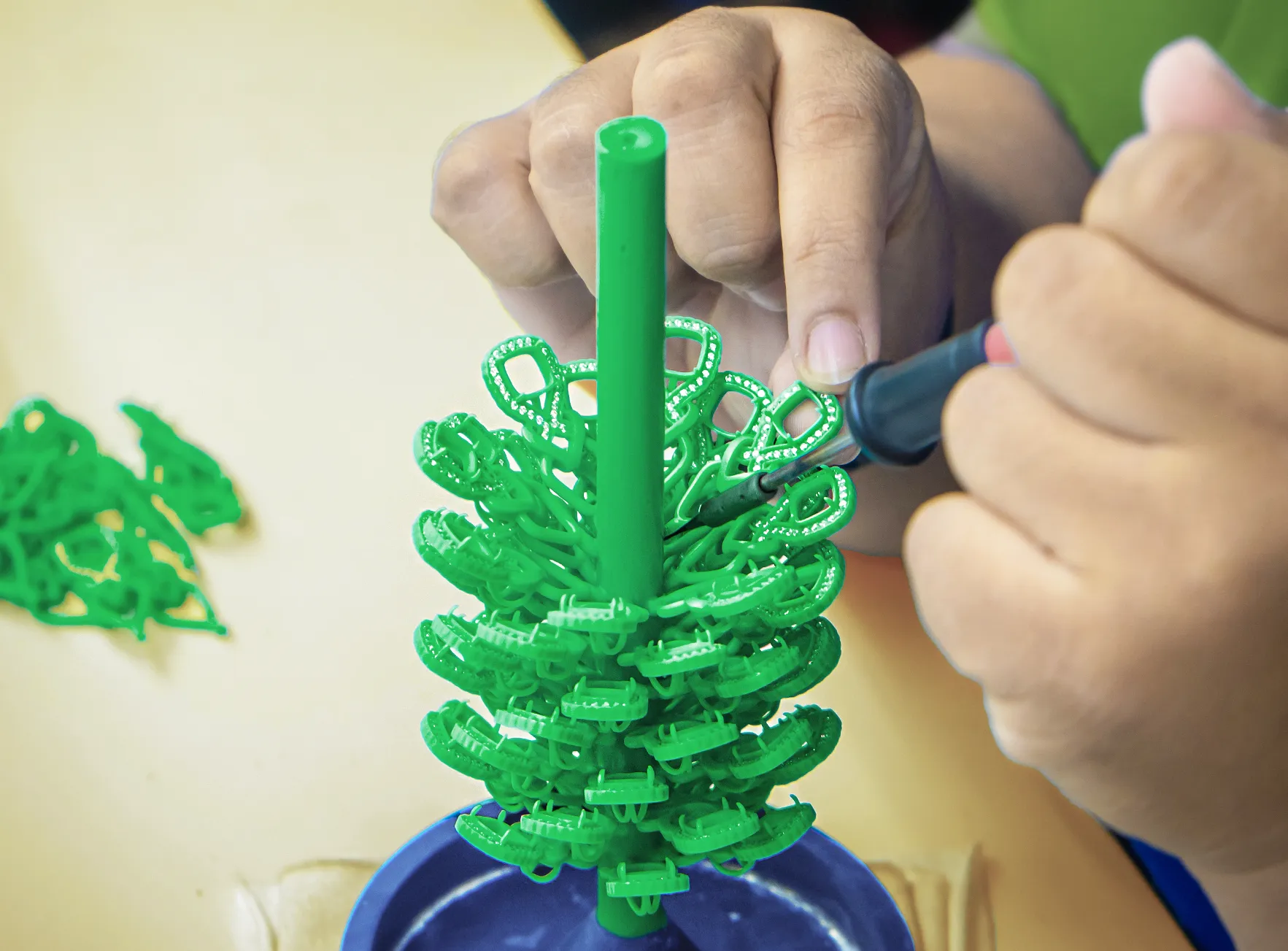
Adjusting the size of a piece within safe tolerances may not require a redesign. However, changing the band width, crown height, or setting style typically requires a partial redesign of the CAD model and additional engineering work. As a result, the potential cost savings from repeating a design decrease as the extent of modifications increases.
In general, custom jewelry practices recognize that even minor design changes can impact pricing and delivery times. Changing the stones (i.e., size, shape, or quality) almost always constitutes a new project, since the dimensions of the stones directly affect the geometry of the setting, stress distribution, and the long-term durability of the piece. Additionally, modified designs may require revalidation of the design’s strength and safety, which can extend production time.
Who Owns the Copyright in a Custom Jewelry Design
Under U.S. Copyright Law, the author of a copyrightable work is the person who created it, unless rights have been transferred in writing. In custom jewelry, ownership of the design depends on its origin. When a client provides complete drawings specifying all dimensions and parameters, and the company produces only a technical replication of the design without contributing anything creative, the rights to the design may remain with the client, depending on the specific contractual terms. Purely technical adaptations to a client’s precise design do not establish authorship. Unless there is an explicit agreement to create a joint work, copyright remains with the client.
If a client provides only ideas, descriptions, references, or conceptual sketches, those inputs are not copyrightable. When Olertis develops the final design using its original CAD models and technical drawings, Olertis retains exclusive rights to that design.
Regardless of who authored the design, Olertis never manufactures unique client designs for another client without explicit permission. Under U.S. law, CAD files and technical documentation are generally treated as part of the copyrighted work. When a design is authored by Olertis, CAD files and technical documentation are part of the copyrighted work, proprietary or trade secrets, or covered by contractual provisions. In either case, the CAD files and technical documentation will remain with Olertis unless otherwise agreed in writing. Importantly, regardless of who owns the copyright, the client always retains the right to personally use their jewelry.
Copyright Assignment Terms and Costs for Custom Jewelry
Copyright ownership can only be transferred through a written agreement. There is no automatic or implied transfer of copyright ownership. When Olertis owns the copyright and a client wants to acquire full control of the design, the rights can be transferred solely through a formal written Copyright Assignment in accordance with U.S. law. This is due to the requirements of the Statute of Frauds and the written assignment provision of 17 U.S.C. §204(a). The transfer may include:
- The jewelry design;
- CAD files;
- Technical drawings;
- Commercial usage rights.
However, the transfer does not include Olertis’ branding, trademarks, brand-identifying elements, or proprietary engineering solutions developed and retained by the firm. Due to the necessity for legal review and documentation, transferring copyright ownership will involve additional charges of at least 25% of the final price of the jewelry, and potentially delay the completion of the project.