
How do you verify stone authenticity and quality — do you send them to independent labs?

Protect Your Investment: Why Get Stone Certification
If you don’t have a credible, independent lab report when purchasing a custom piece of jewelry with a high value center stone, you’re taking a risk. One paperless purchase can leave you with a fake or thousands of dollars lost. Just as you would never buy a car without checking its VIN, you shouldn’t buy a gemstone without independent verification of its authenticity. For true gemstone authenticity and reliable diamond certification, Olertis takes authentication seriously.
Why Laboratory Verification Matters for High-Value Gemstones
When you do not have a reliable, independent lab report you may end up buying: a synthetic gem that appears to be natural (fake gemstones), a stone that’s been heavily treated or enhanced (undisclosed treatments), or a stone that was graded incorrectly in clarity, color, or cut. The risk of losing money is greater when you’re purchasing a high-priced item — custom jewelry such as a custom engagement ring or custom necklace, an heirloom, an investment gem, or something you plan to sell again or insure. This is why proper documentation of a stone’s authenticity is essential. Buying a stone based upon a seller’s “certificate,” or simply their appraisals, is also a risk because dishonest sellers may exaggerate quality ratings to make the value appear higher. Seller-issued certificates are not independent and cannot substitute for a recognized laboratory report.
Misrepresentation can occur when a seller blurs the line between lab-grown vs natural stones, which is another reason why clear certification is essential.
Without proper documentation, you may lose money through decreased resale value, difficulty obtaining insurance, or by discovering later that the stone is not what you paid for. A reputable gemstone certificate provides the assurance that the stone you paid for is exactly the stone you received.
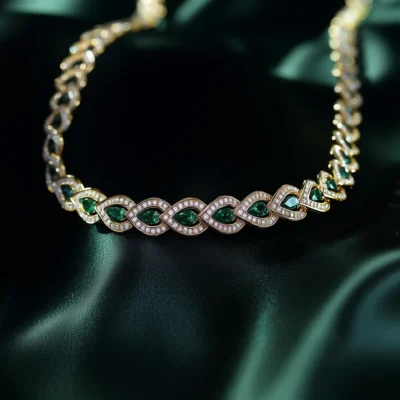
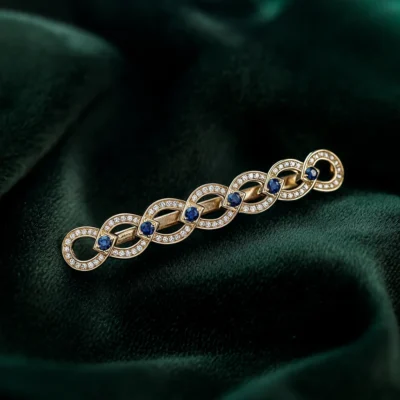
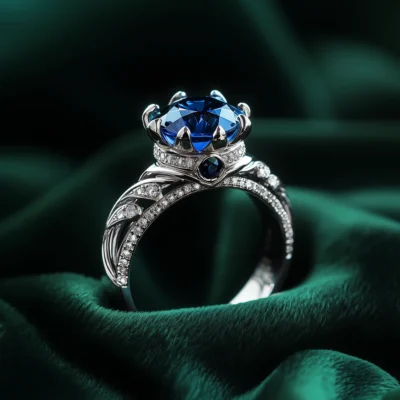
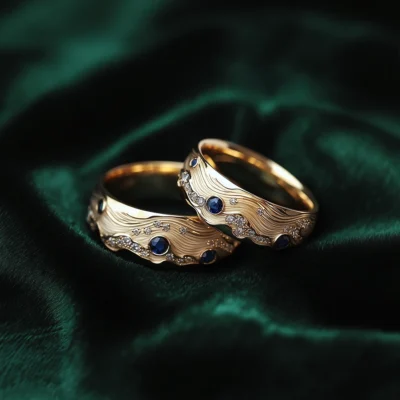
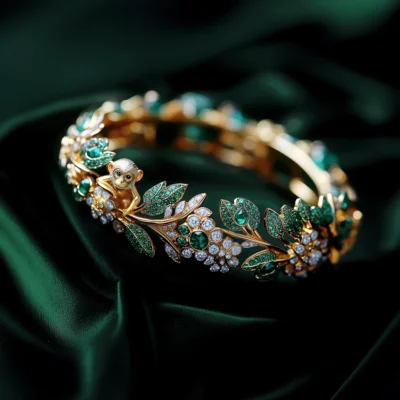
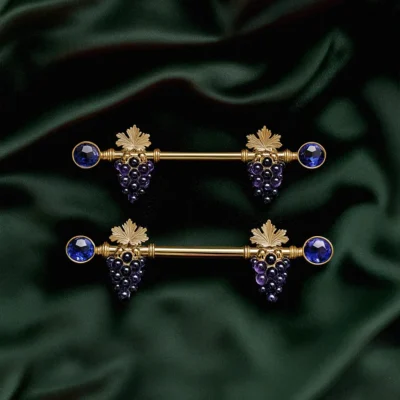
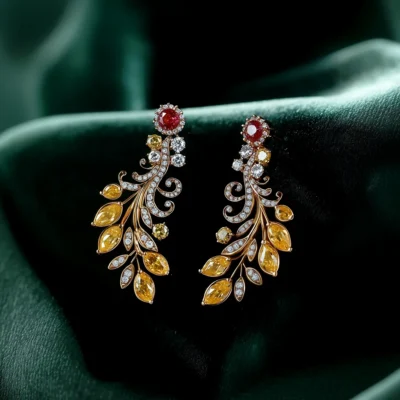
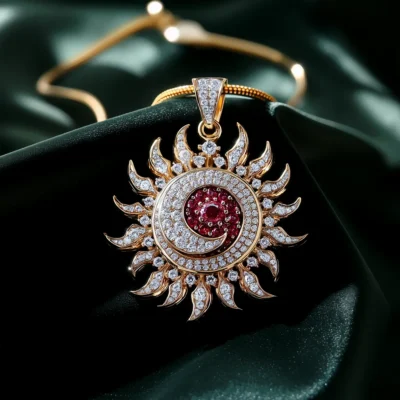
Trusted Gem Labs in the U.S.: GIA, IGI, AGL, EGL
In the United States and internationally the benchmark for gemological certification is the Gemological Institute of America (GIA). GIA’s grading reports for natural diamonds and colored gemstones are recognized by the majority of jewelers, insurers, and resale companies.
Other well-established institutions include International Gemological Institute (IGI), American Gemological Laboratories (AGL), and European Gemological Laboratory (EGL), particularly for colored stones. While each institution has its strengths and weaknesses, they all have different grading standards, levels of acceptance, and levels of stringency. For instance, IGI is often used — but in the U.S. market many professionals still consider GIA reports to be the most reliable for natural stones.
It is essential to distinguish between the following:
- A valid certification: A technical report from an independent lab like GIA, IGI, AGL, or EGL.
- A seller appraisal: Typically, this is a value assessment provided by the retailer, but it is not a certification.
- A shop’s own “certificate”: This is issued by the retailer and lacks independence, or uses non-standardized grading criteria, and thus cannot replace an independent lab report.
Only a recognized lab can issue an objective and trustworthy report that will pass the test of scrutiny from insurers, future buyers, or resale houses.
How Gem Labs Verify and Grade Your Stones
When a gemstone arrives at a reputable gemological laboratory, it undergoes a multi-step scientific evaluation process. For colored stones, the standard testing techniques include the use of tools such as a refractometer, polariscope, dichroscope, a handheld spectroscope, and a determination of the gemstone’s specific gravity.
For diamonds, a complete grading or identification report typically includes:
- Verification that the diamond is natural, and not synthetic.
- Detection of treatments or enhancements (such as heat treatment, fracture filling, irradiation, coating, or HPHT for diamonds).
- Evaluation of the 4C’s (for diamonds): carat weight, color, clarity, and cut (in addition to polish, symmetry, fluorescence, and proportions).
- Precise measurement: The lad will take accurate measurements of length, width, depth, and weight.
- In some cases, a unique report number may be laser-engraved onto the girdle of a loose diamonds, making it possible to track down and verify its origin.

Advanced labs may also employ equipment such as FTIR, UV-Vis, Raman spectroscopy, and microscopic inspection of inclusions or treatments to help determine the presence of hidden enhancements (such as fracture-filled stones), and to identify the origin or growth history of colored gems. The resulting certificate is a technical report, providing a detailed description of the gemstone’s identity and characteristics, not a validation.
Certification Costs and Timelines in the U.S. Market
The cost, and turnaround time for a GIA grading report and diamond certification vary based on stone type and service level. Fees for obtaining certification from a leading lab like GIA are based on factors such as carat weight, the type of report (complete grading report, dossier or digital e-report), and whether the stone is a loose stone or is mounted. According to GIA’s fee schedule:
- Small stones (0.15–0.22 carat) have a starting fee of approximately $50-$60.
- Diamonds weighing 1.00–1.49 carats may incur a total fee of around $100–$130 for a complete report.
- For larger or rarer stones, or stones that are over multiple carats, the certification cost can increase from hundreds to thousands of dollars ($1,000+), depending on the size and complexity of the evaluation.
Turnaround time can vary: a basic grading request may take anywhere from a few days to a couple of weeks or longer, depending on the lab’s workload, the type of service required, and whether rush processing is needed.
There are more affordable labs or services available, however the savings in cost often reflect trade-offs: longer turnaround times, fewer tests, or lower recognition in the U.S. market.
Olertis Quality Standards: How We Verify Every Stone
At Olertis, we go beyond simple inspections. Before a stone is selected for any custom or bespoke jewelry project, we perform an in-house preliminary screening. This includes confirming the stone natural origin (to the extent possible), weighing it, visually examining its quality, and assessing whether independent certification is required. We also follow a strict zero-conflict sourcing policy, ensuring that every stone we consider originates from ethical, verified supply chains. We also assist clients with insurance appraisal documentation and ensure all conflict-free diamonds undergo verification as part of our sourcing checks.
For significant stones, including large diamonds, rare colored gems, high-value center stones, we send them to established, independent labs such as GIA, IGI, AGL, or EGL for full certification. Thus, our clients receive an impartial report that is suitable for insurance, resale, or appraisal purposes.
Once certified, we provide our customers with the original lab report, any laser-inscribed certificate numbers for the stone, and complete disclosure of any treatments or observations. This transparent, third-party verification reflects our commitment to quality and integrity, and represents the highest standards in the U.S. fine jewelry industry. Our transparency-first approach is one of the main reasons why clients feel more confident working with us compared to traditional retailers.
FAQ: Certification, Lab Choice, Costs & Verification Basics
At Olertis, our philosophy is clear: we create customized jewelry that is designed to last, using only authentic and high-quality stones. Independent laboratory certification is not merely a requirement, it is the basis for the confidence that you will have in every custom piece of jewelry we produce.