


Do You Make Custom Jewelry In-House or Through Partner Studios?
In-House Custom Jewelry Production and Legal Responsibility
It’s essential to know who creates your jewelry, where it is made, and who stands behind it. Clear disclosure of these aspects helps protect your investment and gives you peace of mind.
Understanding whether your piece is produced in-house or through partner studios helps convert uncertainty into confidence. This article explains why that clarity is important and how Olertis provides this transparency to ensure your jewelry and your rights are protected.
Production Guide
Where Custom Jewelry Is Made and Why Legal Clarity Matters
Transparency is a determining factor in high-end purchases, including custom and bespoke jewelry, in the US market. Clients want to know not only who designed their jewelry, but also where it was made.
A clearly disclosed US-based manufacturing location is increasingly seen as a mark of oversight and accountability.
There is a significant correlation between consumer protection laws and the enforcement of terms of service related to custom jewelry purchases and the type of production model used.
The method of production — in-house or through partner studios — directly affects how liability is assessed. Without transparency in production methods, the ability to assess liability and fault is greatly diminished. Many clients prefer companies having a clearly defined and direct-to-consumer business model that involves the same company designing, producing and delivering the jewelry.
In-house production combined with a direct-to-consumer model is often viewed as a marker of control.
The desire for transparency in production methods is part of larger trends toward sustainable and traceable practices throughout the jewelry industry. More and more customers are expecting a “story” about their jewelry piece, from the sourcing of materials to the workshop where it was created. Legally speaking, clarity in production methods minimizes ambiguity in FAQs and Terms of Service and lowers risk for the customer and the jeweler.
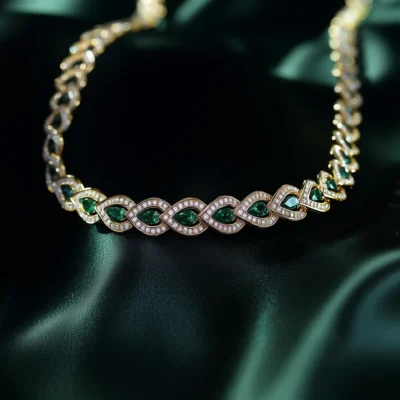
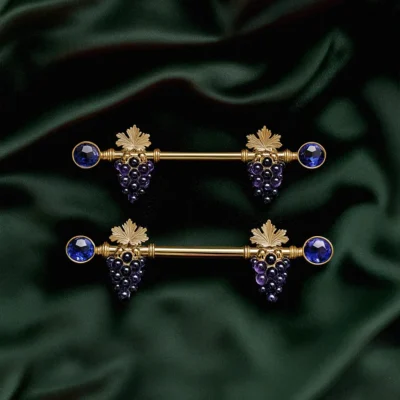
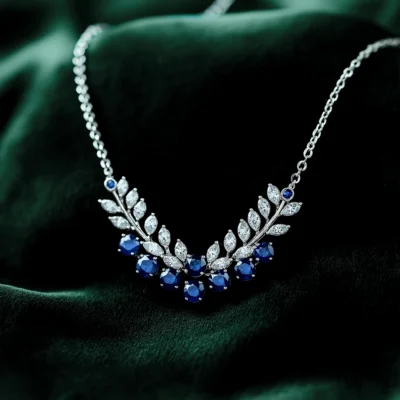
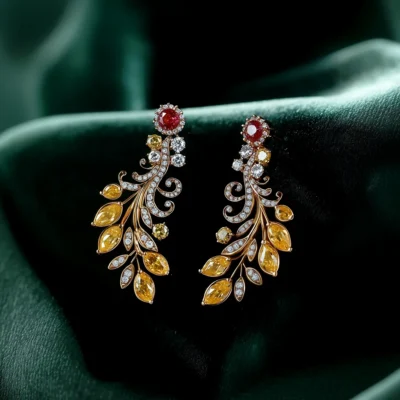
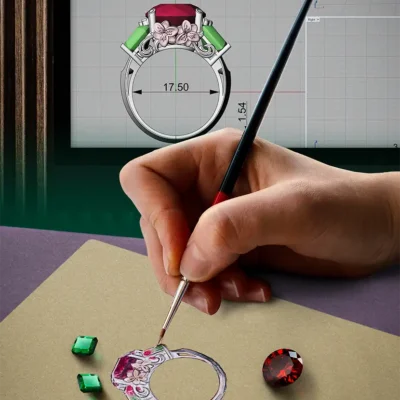
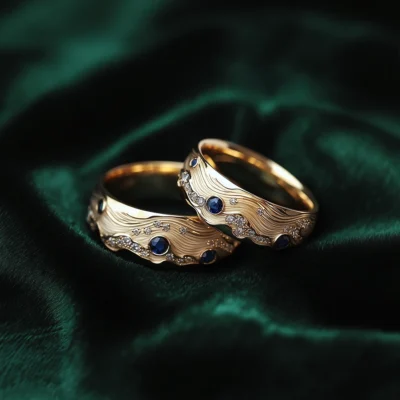
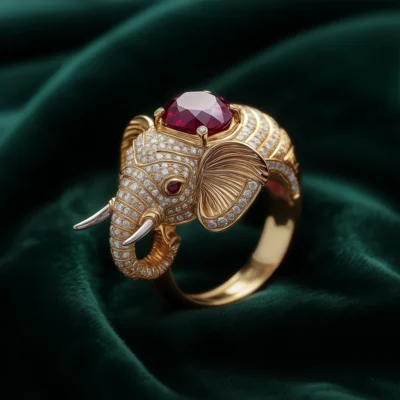
In-House vs Partner Studio Production Accountability
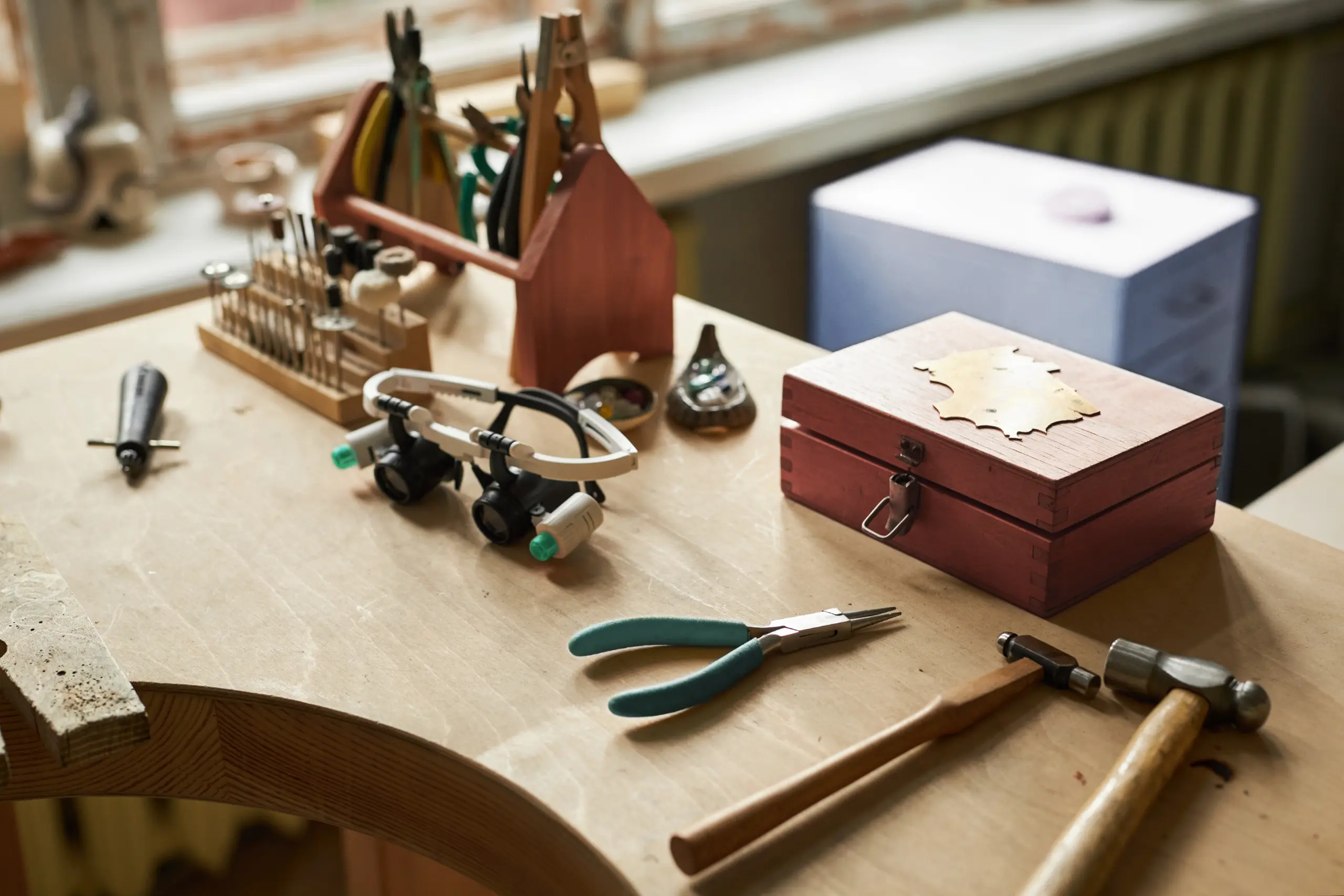
In the jewelry industry, in-house jewelry manufacturing refers to a company conducting the majority of its production processes internally, using its own team and facilities. In contrast, outsourced or partner-based production involves collaborating with third-party workshops that handle either partial or complete stages of production on the company’s behalf.
There are several practical implications of this distinction:
- The level of design control and the ability to adhere to the original CAD design
- The timeframes associated with production and the feasibility of making changes during the production process
- The consistency of quality standards across multiple pieces
Outsourcing itself is generally not a primary concern for custom jewelry customers. What they care about is accountability. They need clarity who is responsible if something goes wrong with their piece, if there is a problem requiring a repair, or if a dispute occurs. Reputable brands assume full responsibility for their pieces, even if a portion of the production process is done through external partners.
Olertis In-House Jewelry Production Model and Buyer Control
Olertis produces all key components of each custom jewelry piece in-house. These stages include:
- Concept development
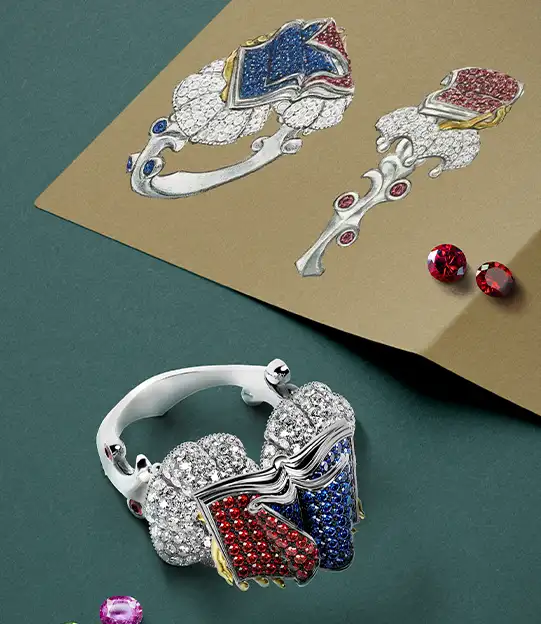
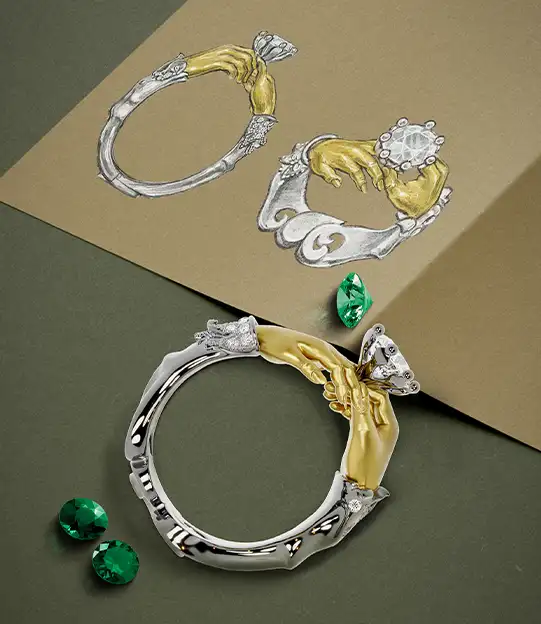
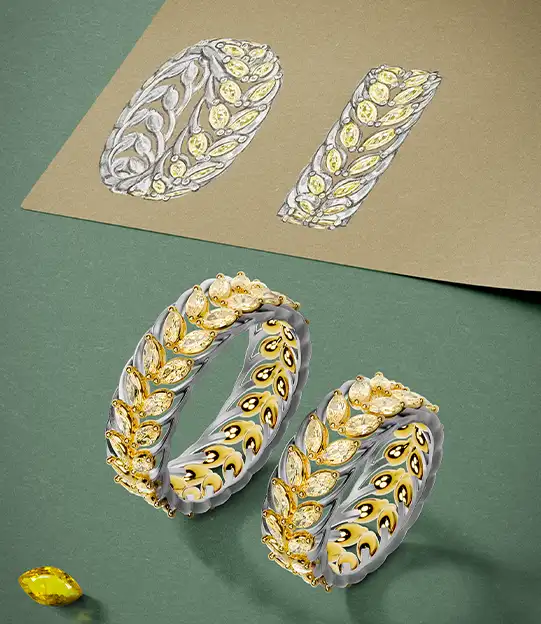
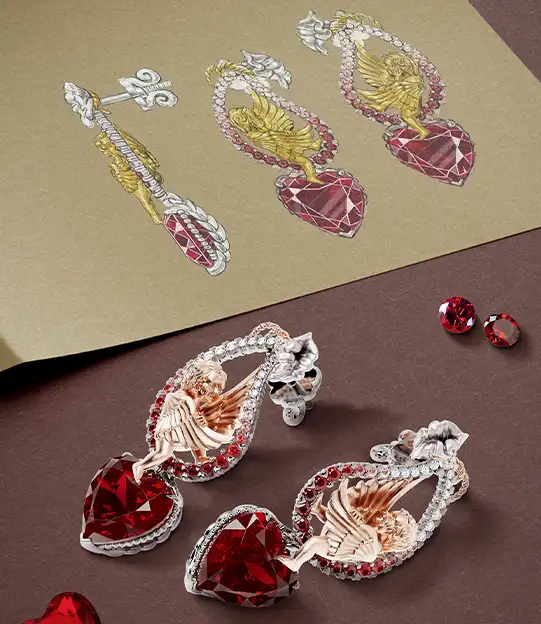
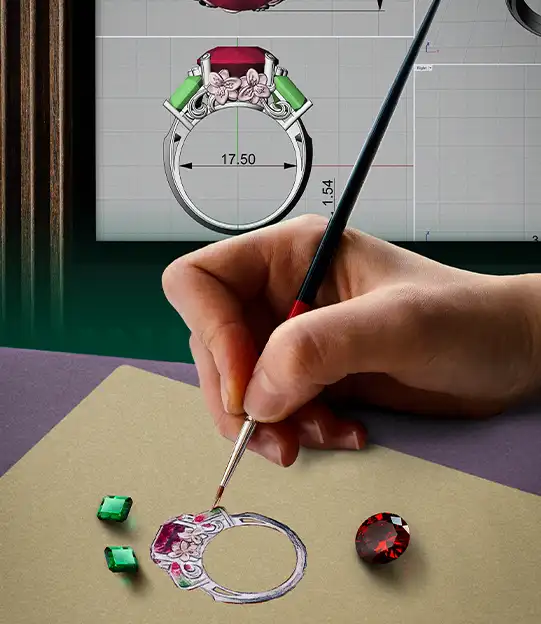
- 3D Design
- CAD Modeling
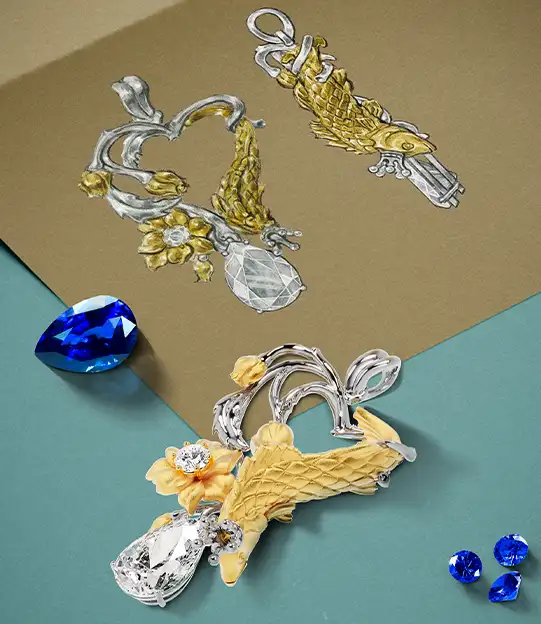
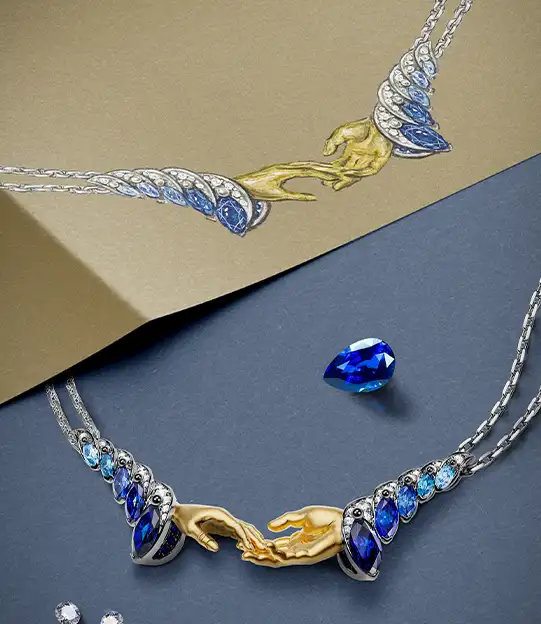
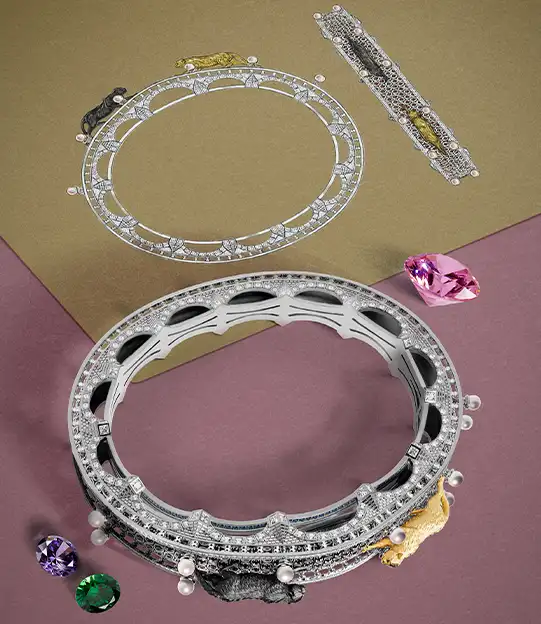
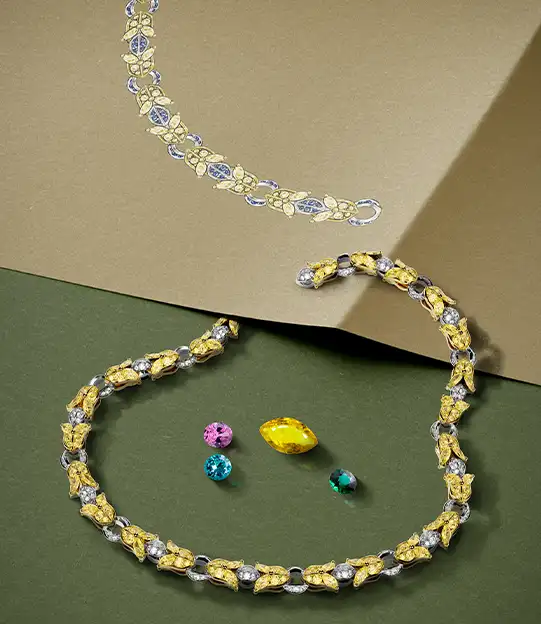
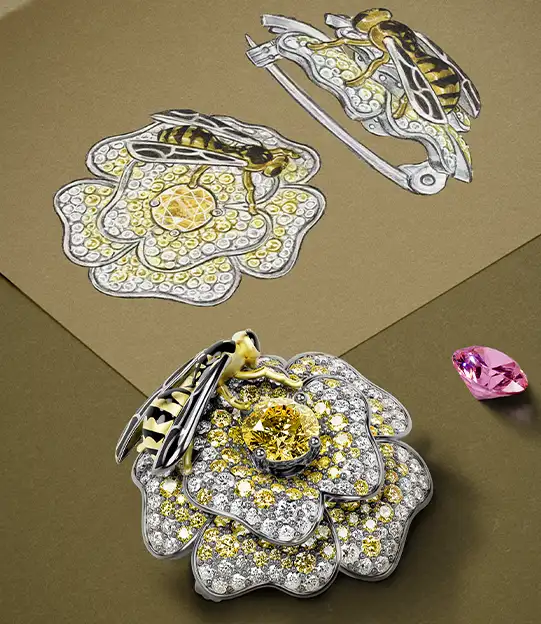
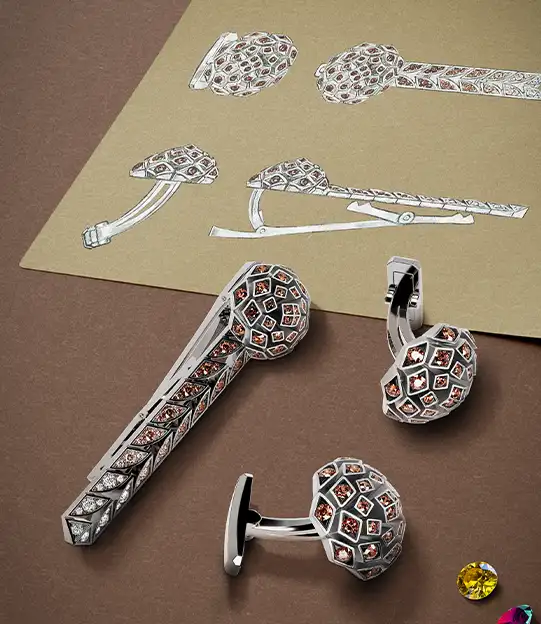
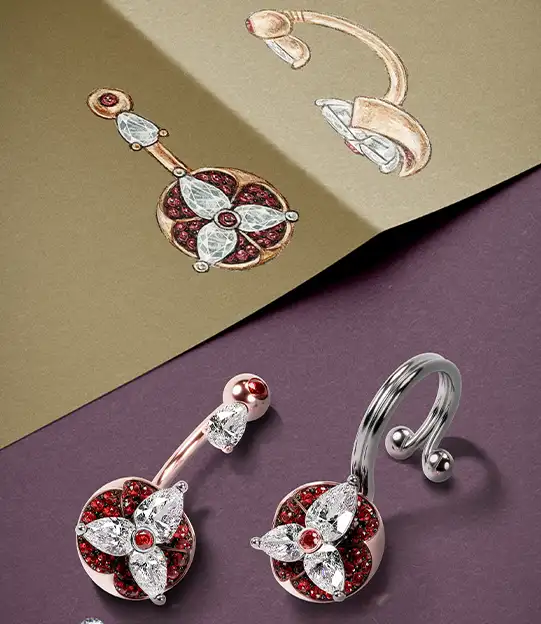
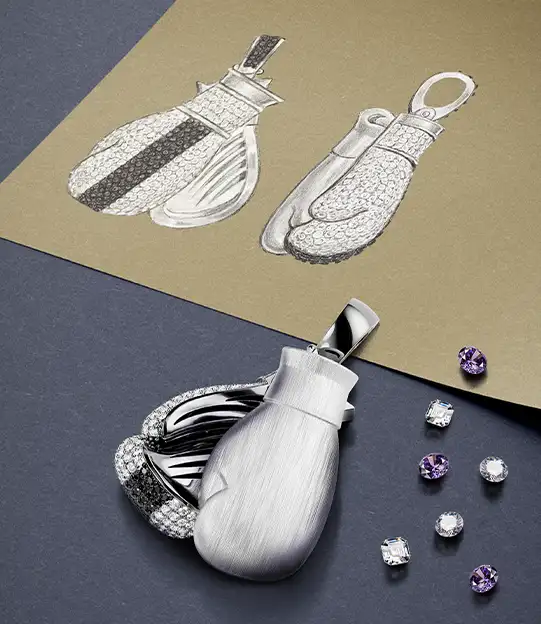
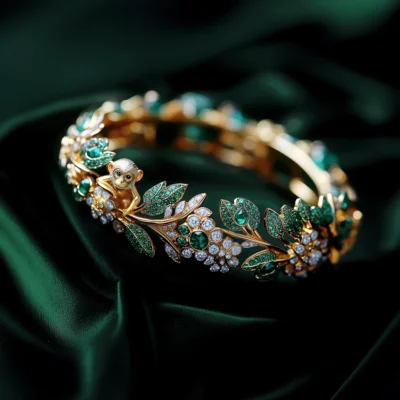
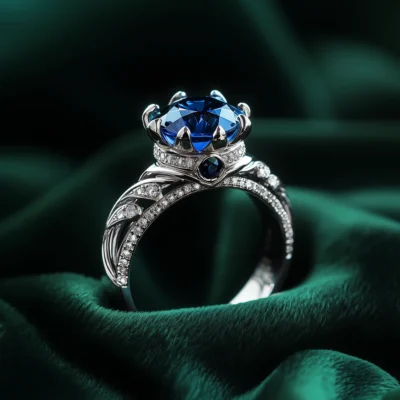
- Final Piece Creation
Olertis serves as both the designer and the manufacturer of each piece of jewelry.
External suppliers are only involved in providing raw materials for the jewelry, such as precious metals, gemstones, and clear diamonds, which is a standard practice among U.S.-based jewelry manufacturers.
By functioning in this manner, Olertis fulfills the expectations of the US market for predictability, control over processes, and the elimination of unknown external contractors. Additionally, the in-house structure also streamlines future services provided by Olertis, including resizing, repairing, or remanufacturing previously purchased pieces. Because Olertis retains the CAD data and structural specifications for every piece it creates, modifications and changes to a previously purchased piece can be carried out with required care and precision even years after the original order.
Premium customers often prefer working with one jewelry house over time rather than working with different unaffiliated vendors. An in-house structure facilitates that relationship.

Material Sourcing Responsibility in Custom Jewelry Production
Even when custom jewelry is manufactured in-house, clients are often interested in the origin of the materials. This represents a growing interest in ethically sourced materials, conflict-free supply chains, and adherence to standards for responsible sourcing of gold and diamonds.
This commonly includes conflict-free sourcing under frameworks such as the Kimberley Process and Responsible Jewellery Council (RJC)-aligned supply chains.
Cooperation with reputable suppliers is a common practice in the jewelry industry, however, what is relevant to consumers is how accountability for the quality of materials is assigned. At Olertis, accountability for the quality of materials does not pass to suppliers. Olertis is entirely responsible for ensuring that the materials meet the specifications outlined in the project documents and Terms of Service.
Material compliance is verified through supplier certificates, chain-of-custody records, and thorough documentation in project files and the Terms of Service.
By establishing accountability in this manner, Olertis aligns with consumer expectations for the ethically sourced materials, material traceability, and transparency of accountability for the finished product.